How to Design a Pink Nursery That Grows with Your Child From Toddler to Teen Years
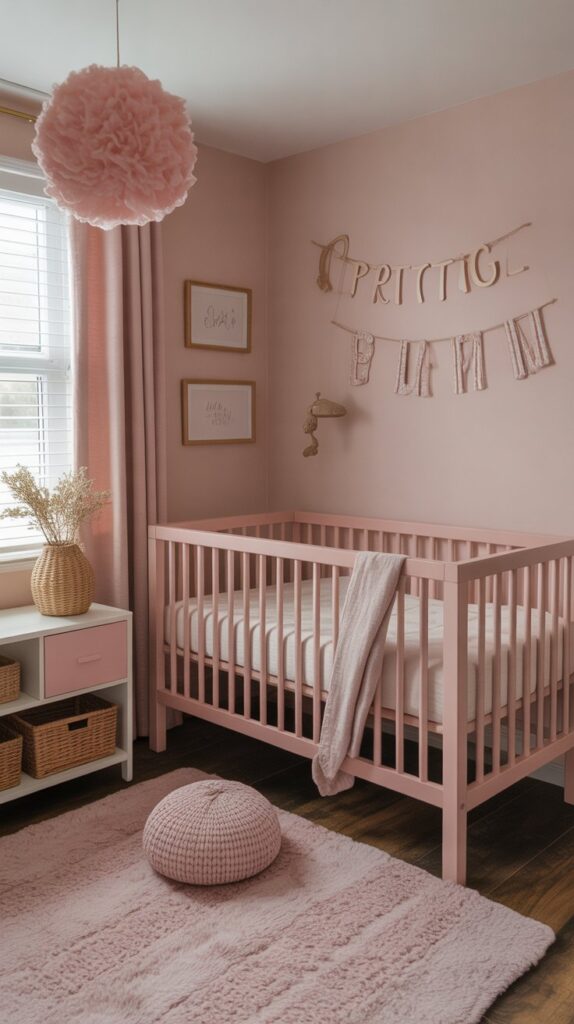
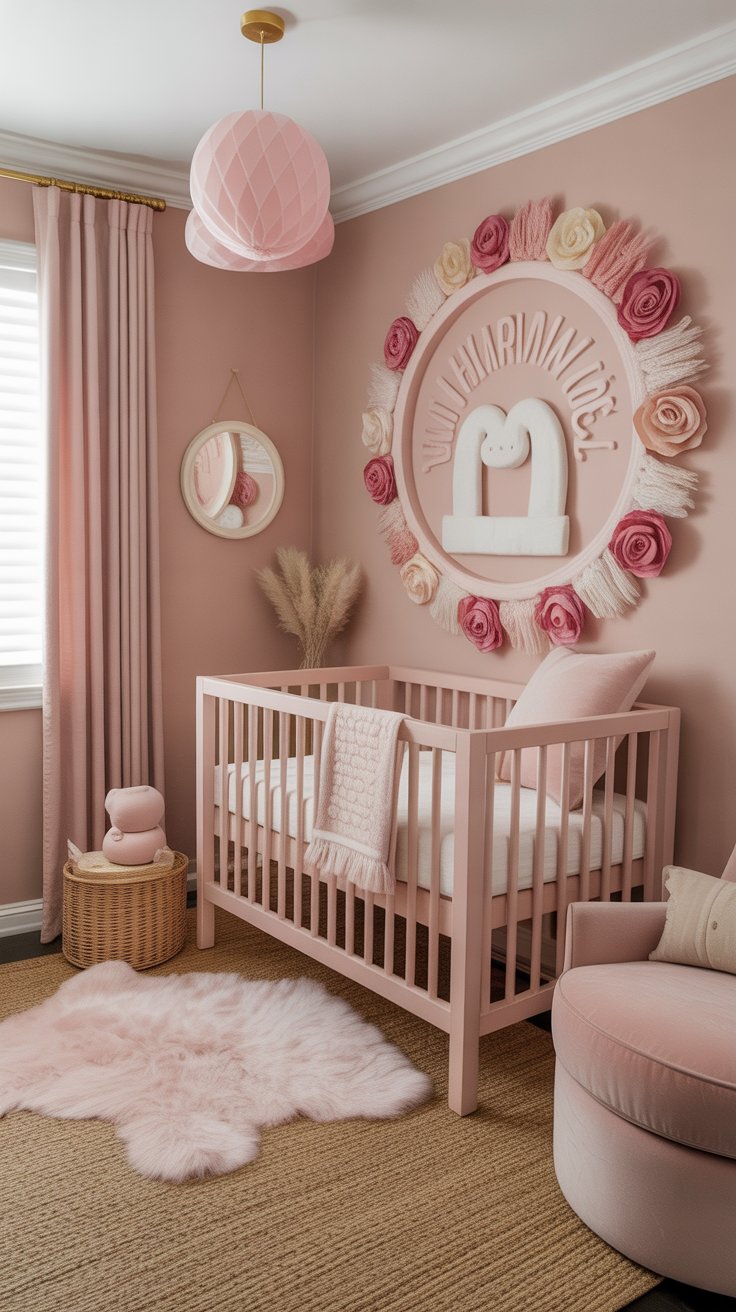
Designing a pink nursery that grows with your child means picking colors and furniture that can change with their age. Choose soft pinks paired with neutral tones and versatile furniture to create a space that works from toddler years through teenage years. This way, the room stays fresh and functional without needing a full makeover.
You want a balance between fun, youthful elements and more mature touches. By adding layers like removable wall art and adaptable storage, you can make simple updates as your child grows. This approach saves time and money while keeping the room comfortable for all ages.
Planning a Versatile Pink Palette
You want a pink color scheme that feels fresh and appropriate as your child grows. Focus on pink shades that shift with age, balance those colors with neutral tones, and pick paints or wallpapers that will last without losing charm.
Choosing Shades That Adapt Over Time
Select pinks that are neither too bright nor too sugary. Soft blushes, dusty roses, or muted coral tones work well. These shades look gentle for toddlers but also stylish enough for teens.
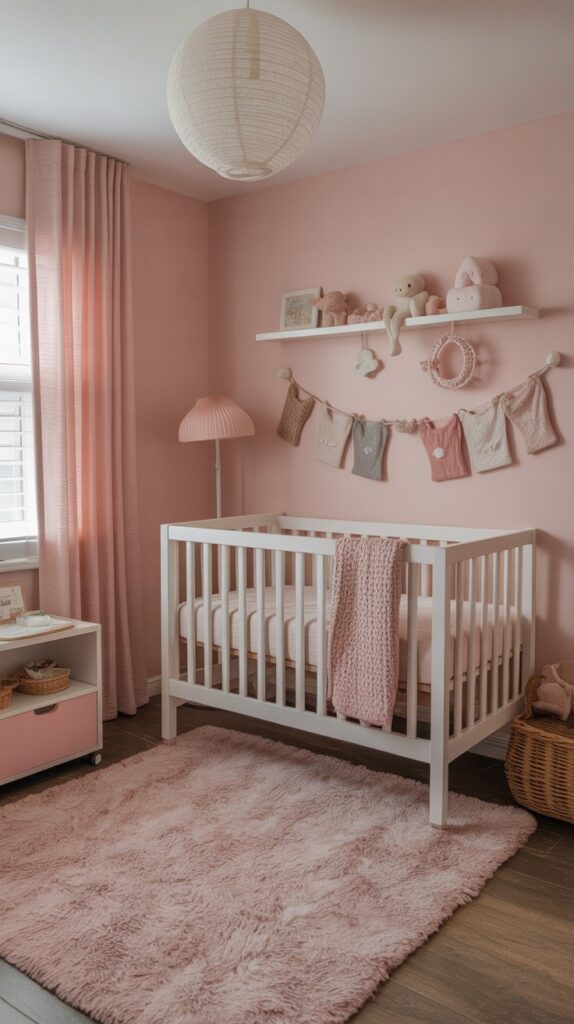
Avoid very babyish pastels or neon pinks that may feel out of place later. Choose colors with warm or cool undertones based on your preferred look—warm pinks add coziness, while cool pinks feel modern. Test paint samples in different lighting during the day and night to see how the shade changes.
Balancing Pink With Neutrals and Accents
Pair pink with neutral colors like gray, beige, soft white, or taupe to ground the room. These colors provide a calm background, letting pink stand out without overwhelming the space.
Use accent colors such as navy, gold, or forest green sparingly. These add depth and can be swapped easily as your child’s tastes change. For example:
- Pink walls + gray furniture + navy pillows
- Pink bedding + beige curtains + gold lamp
- Pink rug + white shelves + forest green chair
This mix keeps the room feeling balanced and easy to update.
Selecting Paints and Wallpapers for Longevity
Choose high-quality paint with washable and scrubbable finishes like satin or semi-gloss. Kids can be messy, so durability matters. Look for paints low in VOCs for better air quality.
If using wallpaper, pick patterns with simple pink elements mixed with neutrals. Avoid very trendy prints that may not suit teens later. Vinyl-coated wallpaper offers better resistance to wear and cleaning.
Samples on your walls help you judge texture and color over time before committing. This makes sure your pink nursery stays beautiful as your child grows.
Key Furniture Choices for Long-Term Use
Choosing furniture that grows with your child helps you save money and keep the nursery useful over many years. Focus on pieces that change function, offer flexible storage, and provide comfort for different ages.
Convertible Cribs and Beds
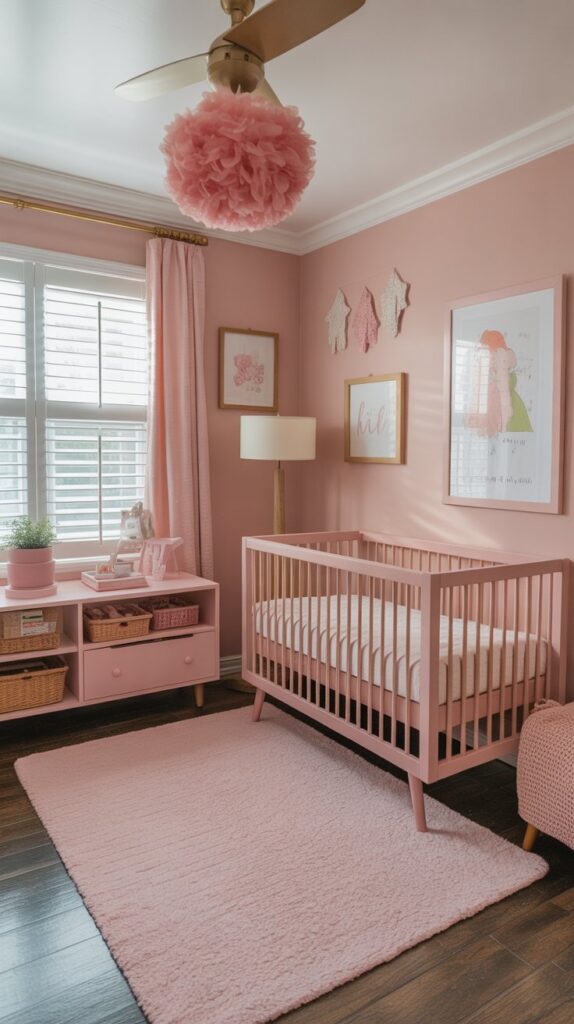
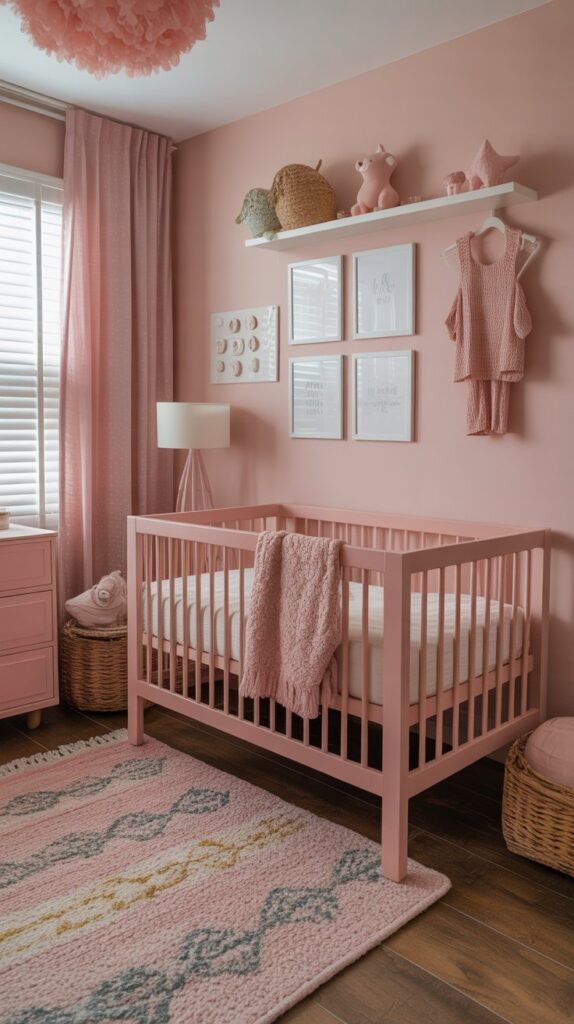
A convertible crib is a smart choice because it turns from a crib into a toddler bed, and sometimes a full-size bed. Look for cribs with simple conversion kits that don’t need extra buying later. This way, you won’t have to replace the bed as your child grows.
Make sure the crib is sturdy and meets safety standards for all stages. Frames made of solid wood usually last longer. You can add pink bedding or cushions during the toddler years and swap to neutral colors or patterns as your child becomes a teen.
Storage Solutions That Evolve
Storage should match your child’s needs as they move from baby to teen. Use modular storage units with bins or drawers you can change around. Open shelves work well for displaying toys early on and books or decorations later.
Invest in furniture pieces like dressers or toy chests with adjustable shelves. Label storage bins or baskets in soft pink or neutral tones to keep the room organized but stylish. This makes it easy to switch from toys to school supplies without buying new furniture.
Multifunctional Seating Options
Seating that adapts over time saves space and money. Try chairs or benches with built-in storage or fold-out functions. A cushioned window seat or a small armchair can start as a place for reading or feeding, then become a cozy spot for homework or relaxing.
Choose fabrics that are easy to clean, like removable covers or leatherette surfaces. Pink upholstery can be mixed with other colors to keep the style fresh. Look for seats that fit the size of toddlers but can still hold teens comfortably.
Timeless Decor Accessories
Choosing the right decor accessories helps your pink nursery feel fresh as your child grows. Focus on items that can change in style or meaning over the years without needing a full redesign.
Wall Art and Personalization
Pick wall art that can evolve with your child’s interests. Framed prints with simple shapes, patterns, or positive quotes work well. You can swap these out easily when tastes change.
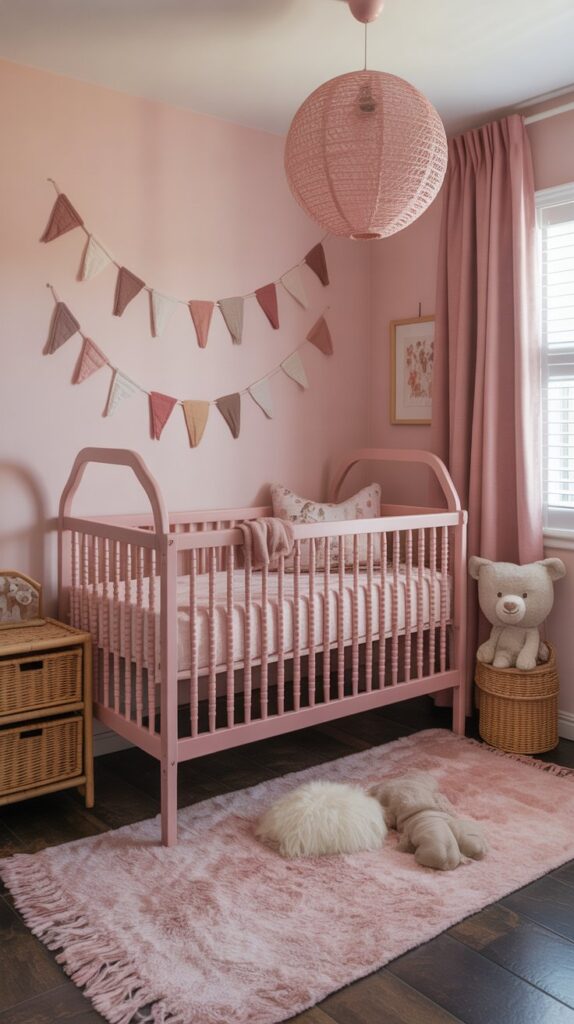
Add personalized touches like your child’s name in neutral or soft colors. Avoid themes that are too young, such as cartoon characters, so the artwork stays appropriate for teens.
Consider using removable wall decals or shelves where you can display photos, trophies, or collections. These options let you refresh the look while keeping the wall neat and stylish.
Layering With Rugs and Curtains
Select rugs and curtains in soft fabrics and neutral or complementary shades to pink, like white, gray, or beige. This lets you add pops of color elsewhere without clashing.
Choose patterns that are classic and not too busy, for example, stripes or subtle floral designs. These type of patterns adapt well over time.
Make sure curtains are versatile in length and easy to tie back or replace. Rugs should be durable and easy to clean since they’ll see a lot of use from toddlers to teens.
Smart Organization and Layout
You can create a room that changes as your child grows by using smart organization and layout. It’s about making spaces that serve different purposes and storage solutions that adapt over time.
Flexible Room Zoning
Divide the room into clear zones for different activities. For example, have a sleeping area, a play or study corner, and a spot for reading or hobbies. Use rugs, furniture placement, or shelves as soft dividers to mark these zones without building walls.
Make zones easy to change. Choose lightweight, movable furniture like bean bags or small tables. This way, you can swap a play space for a study area as your child starts school. Keep the main walkway clear to avoid clutter and make the room feel open.
Closet and Drawer Systems
Use adjustable closet rods and shelves that you can raise as your child grows taller. Include bins for toys or school supplies that can be switched out when your child’s needs change. Label containers clearly to keep things orderly.
Under-bed drawers or stackable storage boxes work well for extra clothes or seasonal items. A set of drawers with removable dividers helps when organizing everything from baby clothes to teen accessories. This system saves space and keeps the room neat throughout different stages.
Updating Style as Your Child Grows
You can adjust your child’s pink nursery style as they grow without starting from scratch. Focus on small, thoughtful changes that reflect their evolving tastes and needs while keeping the room functional and cozy.
Switching Themes Without Overhauling Decor
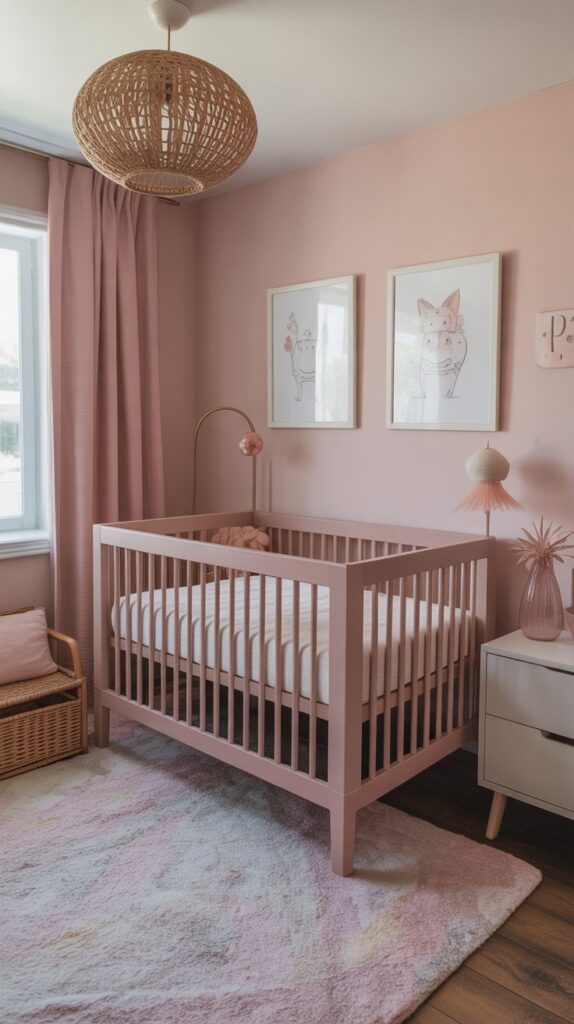
To change the room’s theme without a full redo, use key accents like bedding, curtains, or rugs. Swapping out these items refreshes the space and can shift the mood from baby pink to a more mature shade.
Adding wall art or decals that match new interests is a simple update. You might switch from cartoon characters to abstract prints or geometric shapes. These changes keep the walls fresh without repainting.
Keep larger furniture neutral—white, gray, or natural wood. This lets you mix different colors and themes over time without replacing big pieces. Storage bins, pillows, and lamps with removable covers are also easy to update.
Integrating Teen Interests and Hobbies
As your child becomes a teen, personalize the room by adding items related to their interests. Displaying shelves with books, sports gear, or musical instruments makes the space feel unique.
Create zones for different activities that matter to them, like a study corner with good lighting or a place for hobbies. You can use pink as a subtle accent, like on a chair cushion or wall clock, to keep the original color without overpowering the room.
Ask your teen what they want and include their input. This shows respect and encourages them to take care of their space as they get older.
Conclusion
Designing a pink nursery that grows with your child means choosing flexible, timeless elements. Focus on colors, furniture, and decor that can evolve as your child changes from toddler to teen.
Use neutral tones mixed with pink accents instead of only bright pink. This helps the room feel fresh and adaptable. Choose furniture with clean lines and multiple uses, like a crib that turns into a bed or storage that can hold toys now and books later.
Add decor that can be swapped out easily. For example, use wall art or pillows with themes your child enjoys at different ages. This way, the room stays personal without needing a full makeover.
Here’s a quick checklist to guide your choices:
| Key Element | Tips for Growth |
|---|---|
| Wall Colors | Stick to soft neutrals with pink accents |
| Furniture | Pick pieces with multiple uses |
| Decor | Use removable or changeable items |
| Storage | Ensure it fits both toys and school supplies |
By planning with flexibility, your child can enjoy a pink room that feels right for them today and still fits their style years from now. This approach saves time and money while giving your child a space they love.