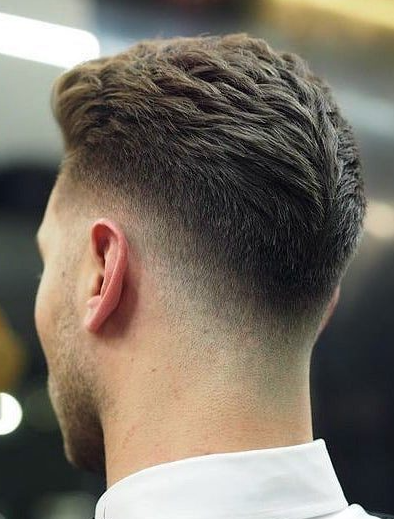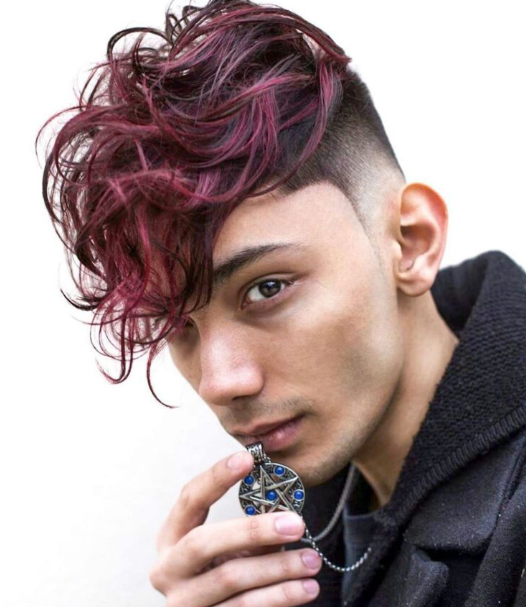
8 Low Taper Fade Styles for Every Face Shape
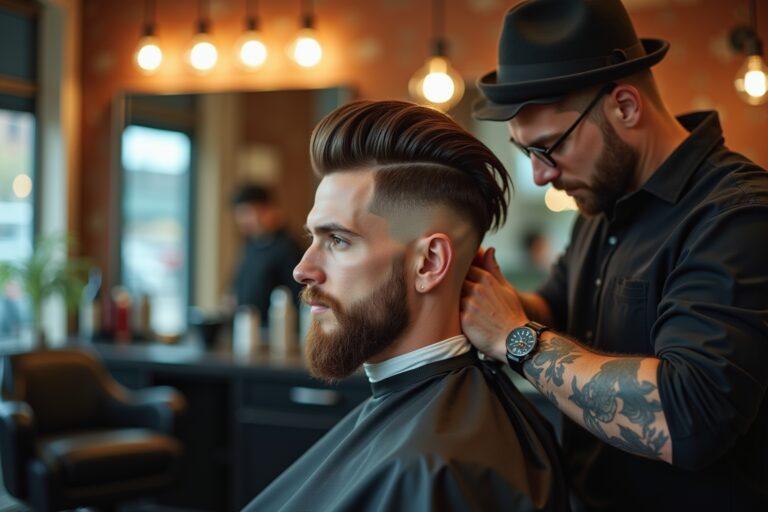
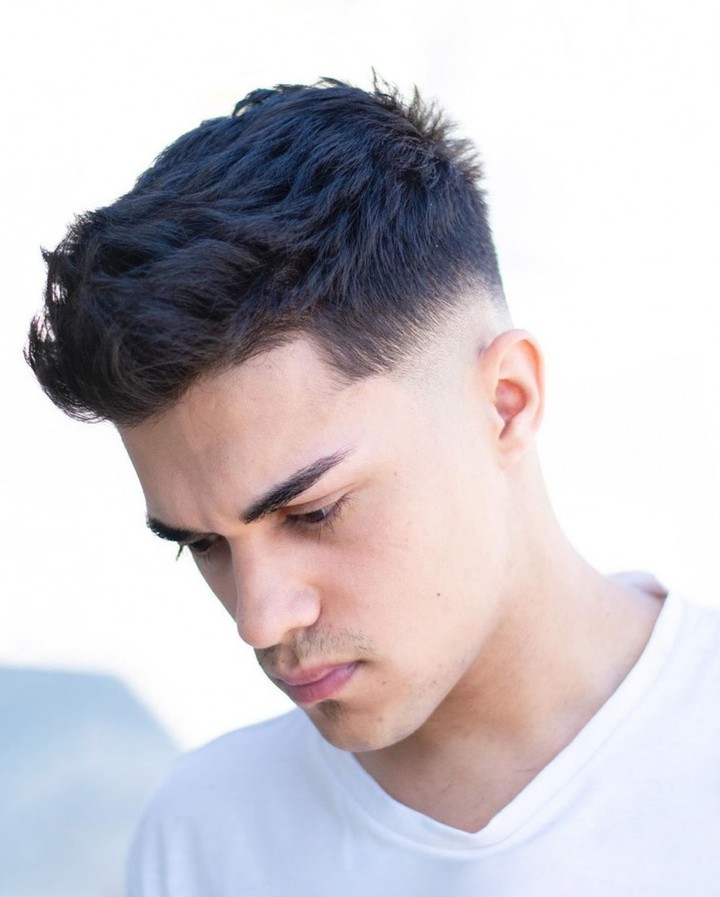
The low taper fade has established itself as one of the most versatile and stylish haircut options for men seeking a clean, modern look. Unlike high or mid fades that remove significant hair volume, the low taper fade begins just above the ears and neckline, creating a subtle gradient effect that works harmoniously with various hair lengths on top. This sophisticated cutting technique has gained immense popularity for its ability to complement different face shapes while maintaining a professional appearance.
Choosing the right low taper fade style can dramatically enhance your facial features and overall aesthetic. Whether you have a round, oval, square, or heart-shaped face, there’s a low taper variation designed to balance your proportions and highlight your best attributes. The beauty of this cut lies in its adaptability—it can be paired with everything from textured crops and slick-backs to curly tops and classic side parts, making it the perfect foundation for personalized styling.
✂️ Low taper fades start just above the ears and neckline, creating a subtle graduation effect while maintaining volume.
👤 These versatile cuts can be customized to enhance any face shape with the right proportions and styling techniques.
🔄 Low taper fades require maintenance every 2-3 weeks to preserve their clean, defined appearance.
The Ultimate Guide to Low Taper Fade Haircuts
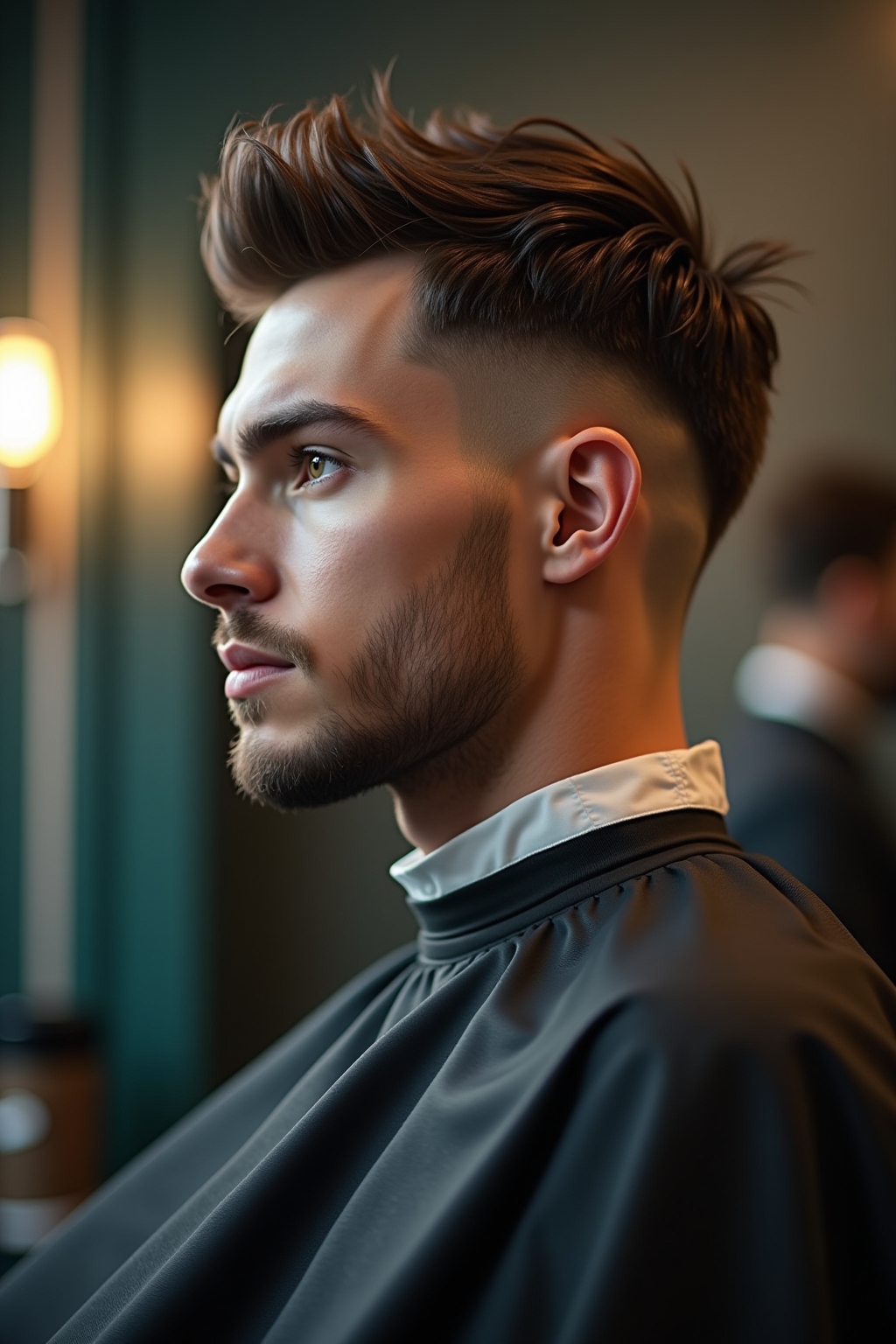
The low taper fade stands as one of the most versatile and timeless haircut options for men seeking a clean yet subtle style transformation. What makes this cut particularly appealing is its gradual transition from longer hair at the top to slightly shorter sides, creating a refined look without the dramatic contrast of other fade varieties. For those new to fade haircuts, this low-maintenance style serves as an excellent introduction to the world of tapered hairstyles while remaining appropriate for both professional environments and casual settings. Whether paired with curly, straight, or textured hair, the low taper fade adapts beautifully to your natural hair type while offering countless styling possibilities that can elevate your personal aesthetic.
How to Ask Your Barber for the Perfect Low Taper Fade

When asking your barber for the perfect low taper fade, clear communication is essential for achieving exactly what you want. First, bring reference photos on your phone to show your barber precisely the style you’re looking for, as visual examples eliminate confusion and misinterpretation. Next, specify where you want the fade to start—typically just above the ears for a low taper fade—and discuss how gradually you’d like the transition to occur between different lengths. Be clear about how short you want the sides and back to be, using clipper guard numbers (like a #1 or #2 at the bottom) to ensure consistency. Finally, don’t forget to mention how you plan to style the top, as this will help your barber understand the complete look you’re trying to achieve with your low taper fade.
Always bring reference photos to show exactly what low taper fade style you want.
Specify the fade starting point (just above the ears) and the clipper guard numbers you prefer for the bottom (typically #1-2).
Discuss how you’ll style the top to help your barber create a cohesive overall look.
5 Stylish Ways to Rock a Low Taper Fade in 2024
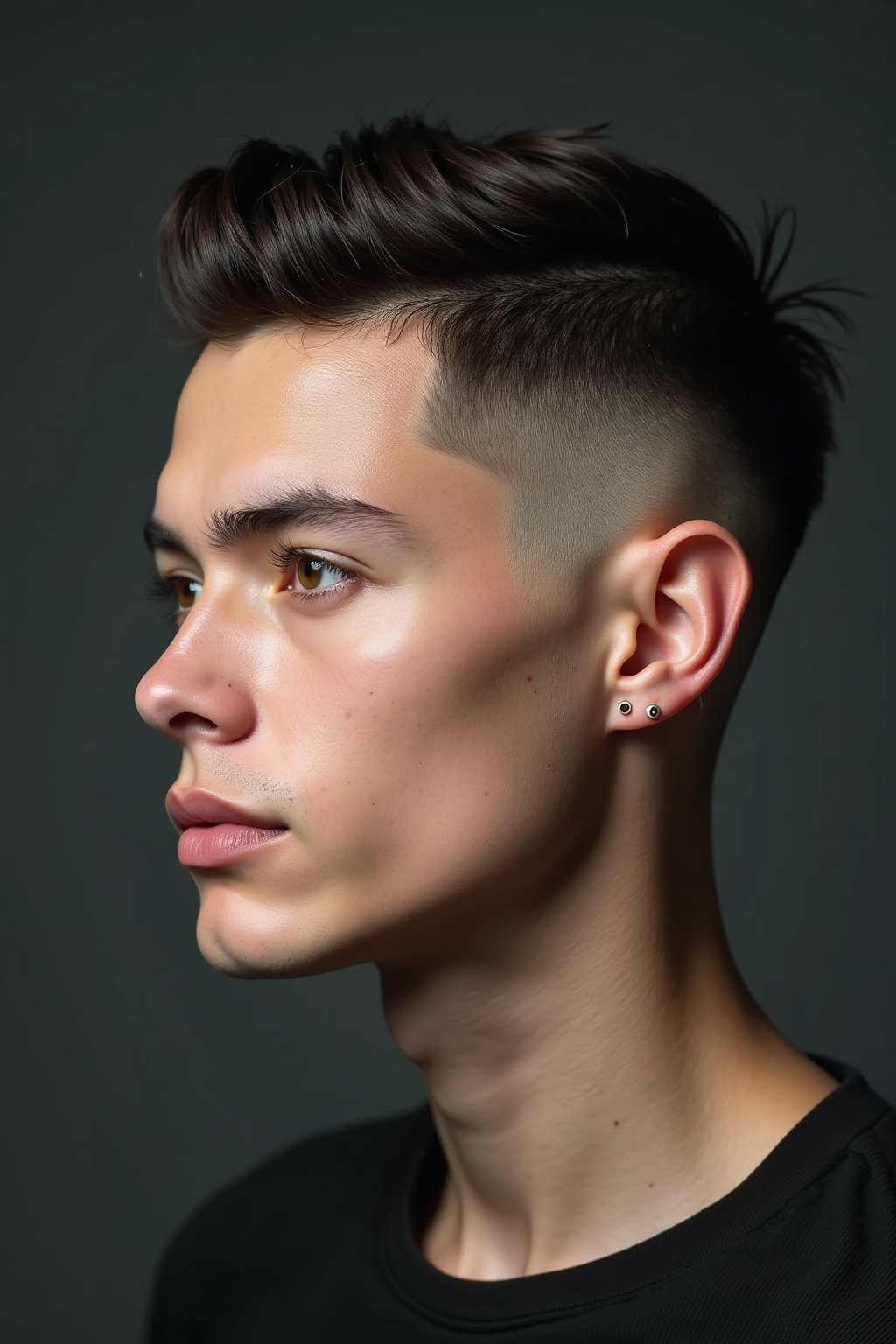
As we enter 2024, the low taper fade continues to reign supreme as one of the most versatile and sophisticated haircuts for modern men. This classic style has evolved with several fresh interpretations that combine timeless appeal with contemporary edge, making it suitable for men of all ages and face shapes. For younger gentlemen looking to embrace this trend, there are several boys low taper fade options that offer a clean yet age-appropriate look that parents and kids alike will appreciate. Whether paired with textured tops, sleek side parts, or combined with facial hair for added dimension, the low taper fade provides the perfect foundation for expressing personal style while maintaining a polished appearance.
Low Taper Fade vs. Other Fade Styles: What’s the Difference?
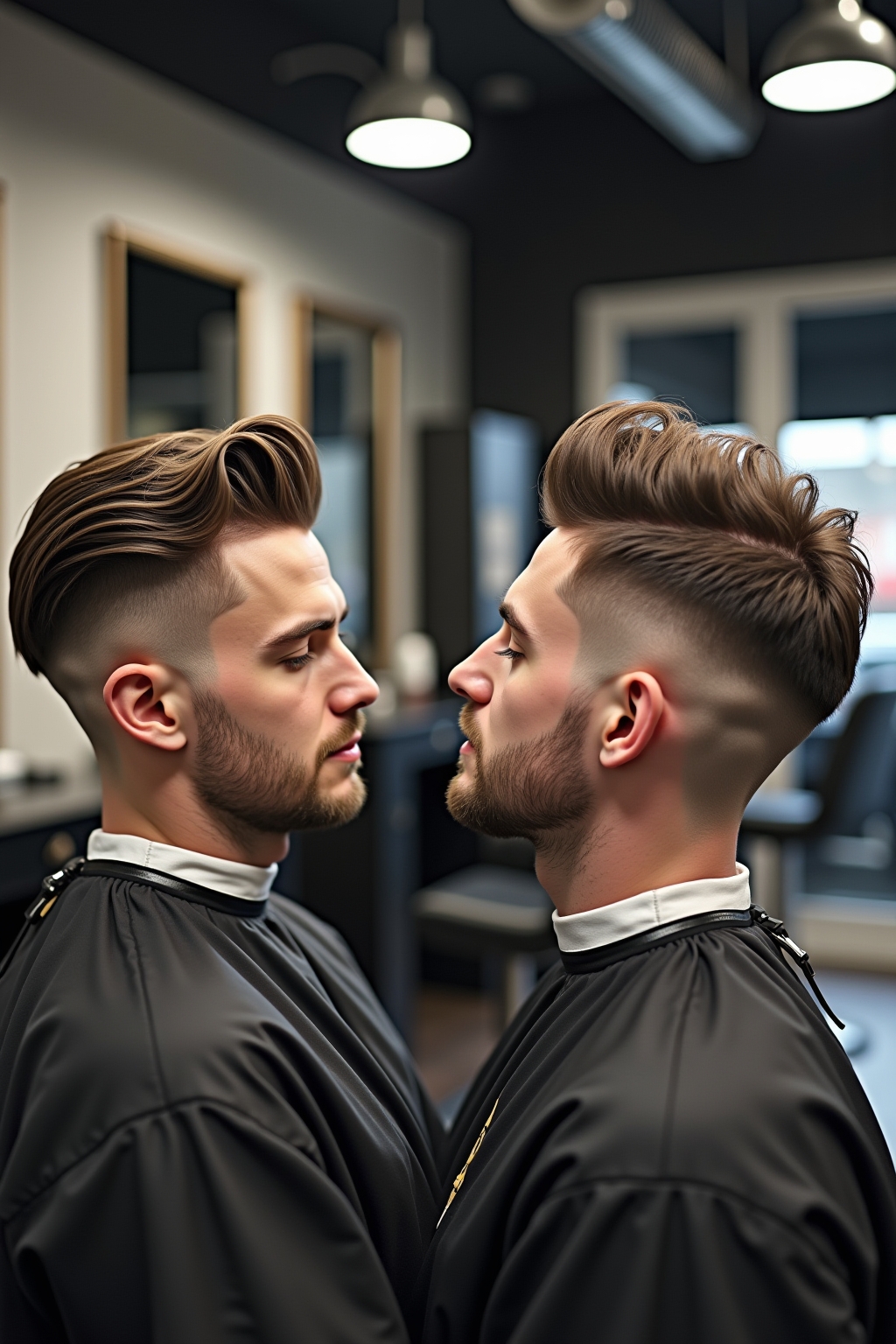
The low taper fade stands out from other fade styles primarily through its subtle graduation and lower positioning on the head. While a traditional high fade begins near the temple and creates a dramatic contrast, the low taper fade starts just above the ears, offering a more conservative yet equally stylish appearance. Mid fades occupy the middle ground, starting around the temples, whereas skin fades (which can be applied to any fade height) take the hair down to the skin completely at their lowest point. The low taper fade’s greatest advantage is its versatility, making it suitable for professional environments while still maintaining a modern, well-groomed aesthetic that works with numerous hairstyles on top.
- Low taper fades begin just above the ears, creating a subtle transition.
- High fades start near the temple area for more dramatic contrast.
- Mid fades position the transition point between low and high fades.
- Skin fades can be combined with any fade height but remove hair completely at the bottom.
- Low taper fades offer the best balance between professional appearance and modern style.
Maintaining Your Low Taper Fade Between Barber Visits

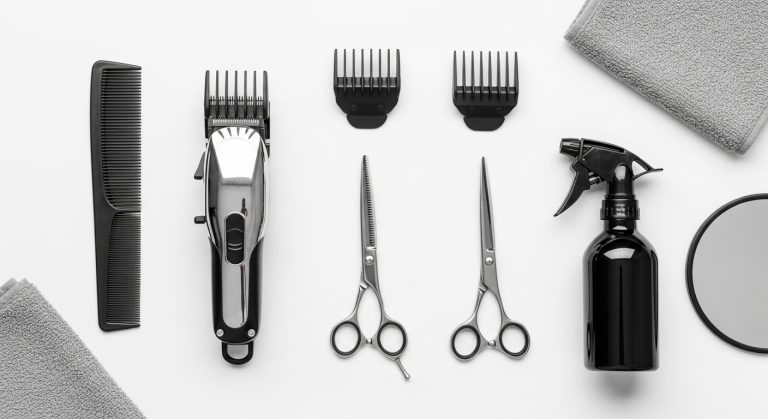
To keep your low taper fade looking fresh between barber appointments, invest in quality hair clippers with appropriate guard sizes for touch-ups. Regular maintenance every 1-2 weeks can help preserve the sharp contrast that makes the low taper fade so appealing. Focus on cleaning up the shortest areas around your ears and neckline, being careful not to cut too high and disrupt the gradient effect. Use a handheld mirror in combination with your bathroom mirror to check the back of your head and ensure even trimming all around. Apply a small amount of styling product daily to keep the longer top portion well-groomed, which helps maintain the overall polished appearance of your fade.
Touch up the shortest areas of your low taper fade every 1-2 weeks using guards #1 or #2 to maintain the clean look.
Always use a second mirror to check the back and sides when performing maintenance at home.
Daily styling of the longer top section helps preserve the overall aesthetic of your fade between professional cuts.
Celebrity-Inspired Low Taper Fade Looks You’ll Want to Try
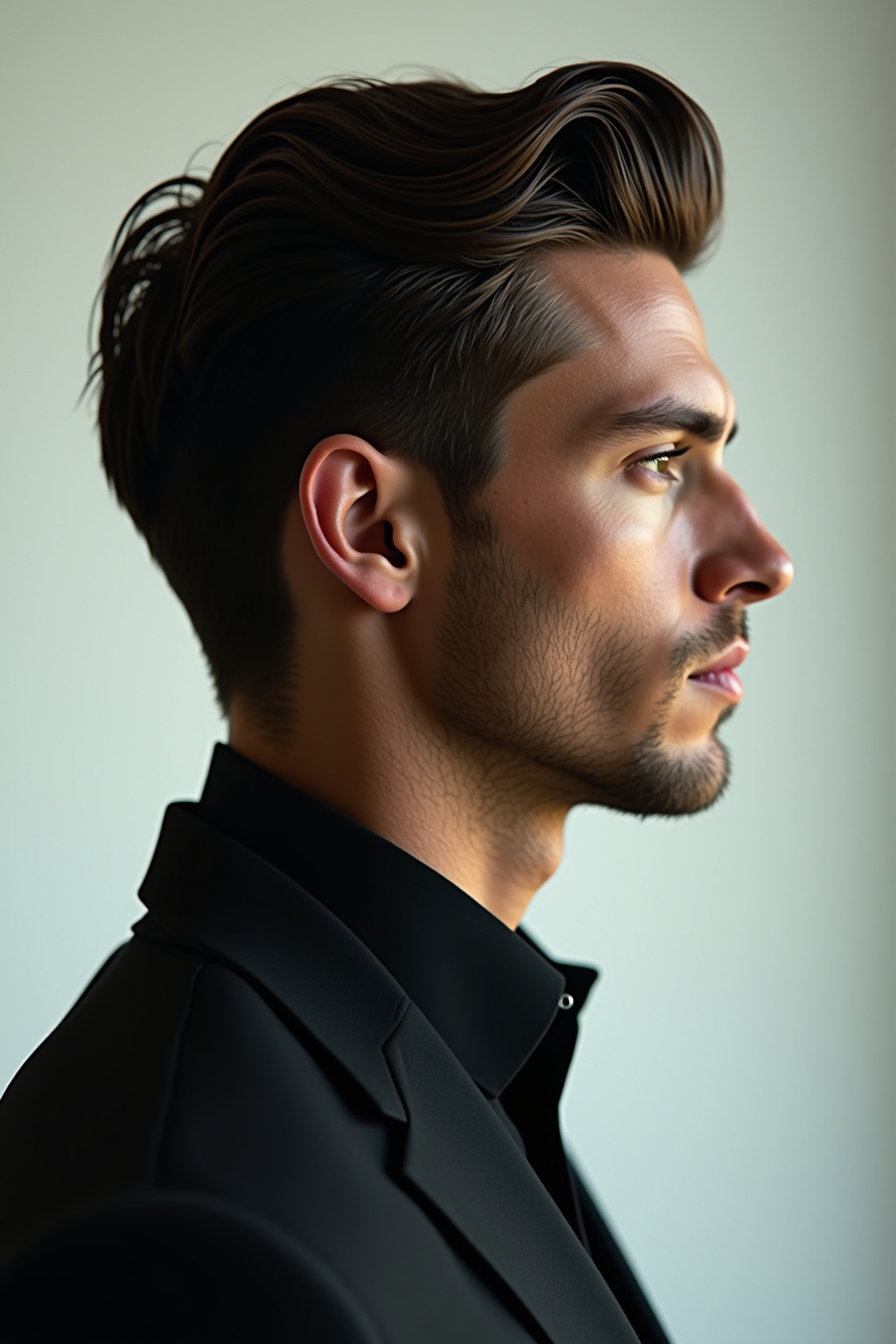
Hollywood’s elite have embraced the low taper fade as their go-to style, setting trends that fans worldwide are eager to replicate. Stars like Michael B. Jordan and Drake showcase how this versatile cut can be adapted to different hair textures, particularly impressive when styled with Afro-textured hair for a refined look. These celebrity-endorsed styles demonstrate how the subtle graduation of a low taper fade can enhance your facial features while maintaining enough length on top for creative styling options.
The History and Evolution of the Low Taper Fade
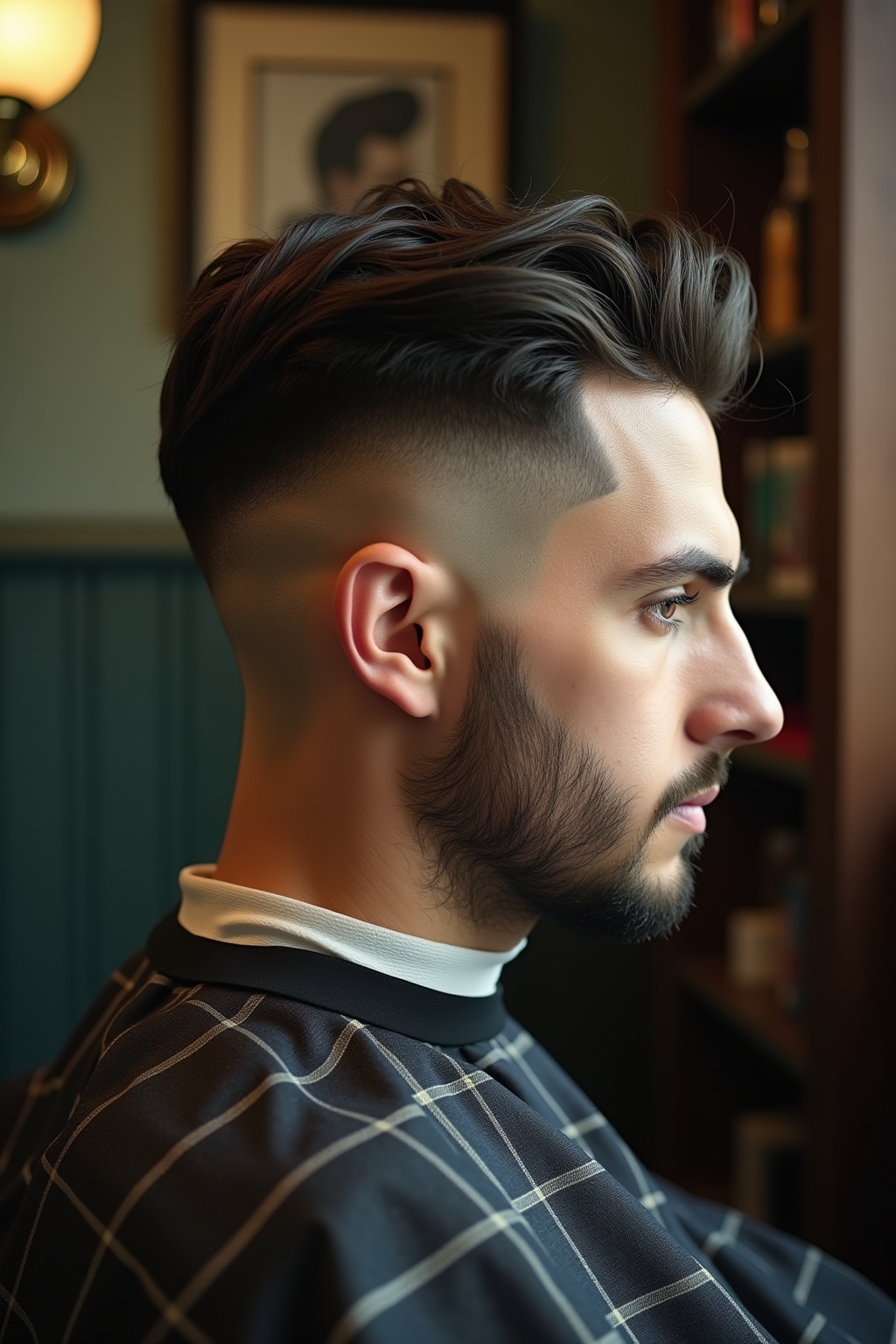
The low taper fade has roots dating back to the 1940s and 1950s military haircuts, where practicality and uniformity were paramount. Over the decades, this classic style evolved from strictly utilitarian to becoming a statement of urban fashion in the 1980s and 1990s, particularly within hip-hop and R&B communities. The 2010s saw the low taper fade experience a remarkable renaissance as part of the modern barbering revival, with social media platforms showcasing intricate variations and techniques. Today, this versatile haircut has transcended cultural boundaries to become a timeless style embraced by men of all backgrounds, appreciated for its clean appearance and adaptability to various hair types and face shapes.
- Military origins in the 1940s-50s emphasized practicality and uniformity.
- Became a cultural statement in urban fashion during the 1980s-90s.
- Experienced a renaissance in the 2010s through social media and modern barbering.
- Now a cross-cultural, versatile style appreciated for its clean aesthetics and adaptability.
Customizing Your Low Taper Fade for Different Face Shapes
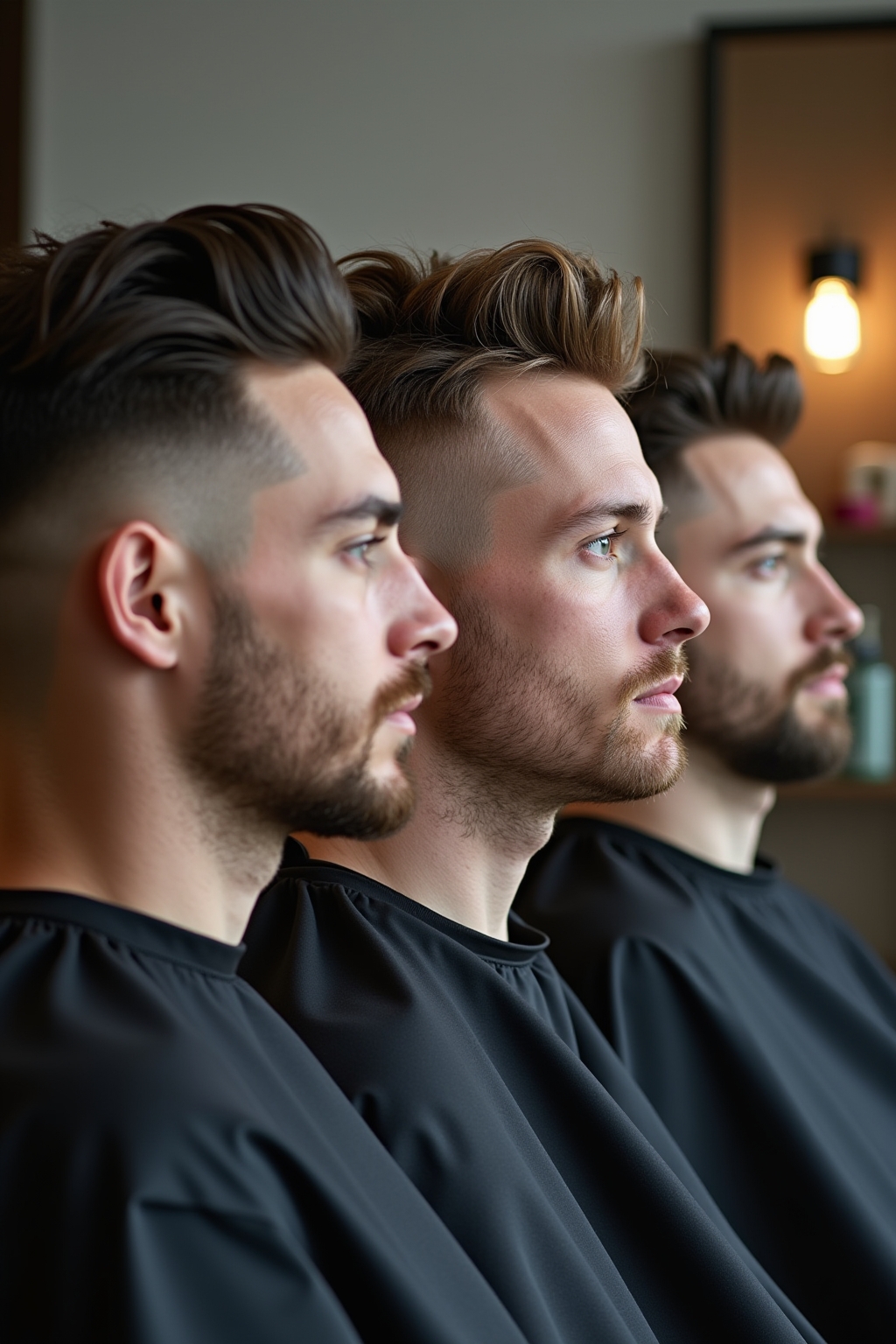
The versatility of a low taper fade allows it to be customized for any face shape, enhancing your natural features while maintaining a clean, sophisticated look. For oval faces, a classic low taper fade works perfectly, while those with round faces benefit from a slightly higher fade with more length on top to add height and definition. Men with square faces should consider a softer transition in their low taper fade, which helps balance strong jawlines and adds a touch of refinement. For longer face shapes, ask your barber to keep the fade extra low and maintain some fullness on the sides to add width and create better proportions.
Häufige Fragen zu Low Taper Fade
Was ist ein Low Taper Fade und wie unterscheidet er sich von anderen Fades?
Der Low Taper Fade ist ein Haarschnitt, bei dem die Haare am unteren Kopfbereich kurz geschnitten und nach oben hin sanft länger werden. Im Gegensatz zu High oder Mid Fades beginnt der Übergang (Taper) sehr tief, typischerweise knapp über den Ohren und dem Nacken. Diese dezente Abstufung schafft einen subtilen, eleganten Look, der weniger dramatisch wirkt als aggressivere Kurzhaarfrisuren. Die sanfte Verlaufstechnik sorgt für eine natürliche Silhouette und funktioniert bei verschiedenen Haarlängen oben. Diese Schnittvariation ist besonders beliebt bei Männern, die einen professionellen, aber modernen Haarstil bevorzugen, da der niedrige Übergangsbereich weniger auffällig im Büroalltag wirkt.
Wie oft muss ein Low Taper Fade nachgeschnitten werden?
Ein Low Taper Fade benötigt in der Regel alle 2-4 Wochen einen Nachschnitt, um seine definierte Form zu behalten. Da der Übergangsbereich relativ niedrig ansetzt, wachsen die sehr kurzen Partien schnell sichtbar nach und können die präzise Kontur des Haarschnitts beeinträchtigen. Die Nachschnitthäufigkeit hängt dabei von verschiedenen Faktoren ab: dem persönlichen Haarwuchs, der gewünschten Präzision des Looks und wie scharf die Konturen des Fades sein sollen. Bei schnellem Haarwachstum empfiehlt sich ein Besuch beim Friseur oder Barbier alle 14 Tage, während bei langsamerem Wuchs oder wenn ein etwas weicherer Übergang akzeptabel ist, ein monatlicher Rhythmus ausreichen kann. Diese Pflegeintensität sollte bei der Entscheidung für diese Frisurvariante berücksichtigt werden.
Für welche Gesichtsformen eignet sich ein Low Taper Fade besonders gut?
Der Low Taper Fade harmoniert hervorragend mit nahezu allen Gesichtsformen, da er durch seinen tiefen Ansatz die natürliche Kopfform betont und gleichzeitig sanfte Übergänge schafft. Besonders vorteilhaft wirkt dieser Haarschnitt bei ovalen, runden und quadratischen Gesichtern. Bei runden Gesichtsformen kann der niedrige Übergang in Kombination mit mehr Länge und Volumen oben das Gesicht optisch strecken. Menschen mit eckigen Gesichtszügen profitieren von der weichen Abstufung, die harte Konturen ausbalanciert. Auch für längliche Gesichter eignet sich diese Schnittvariation gut, wenn oben nicht zu viel Höhe kreiert wird. Die Vielseitigkeit dieser Frisur liegt in ihrer dezenten Silhouette – der sachte Verlauf lenkt nicht vom Gesicht ab, sondern unterstreicht dessen natürliche Proportionen und kann durch unterschiedliche Stylingvarianten an der Oberseite noch individueller angepasst werden.
Wie erkläre ich dem Friseur genau, dass ich einen Low Taper Fade möchte?
Beim Friseurbesuch sollten Sie präzise kommunizieren, dass Sie einen Low Taper Fade wünschen – eine Kurzhaarfrisur mit sanftem Übergang, der tief am Kopf beginnt. Erklären Sie, dass der Verlauf knapp über den Ohren und dem Nacken starten soll, nicht in der Mitte des Kopfes. Spezifizieren Sie die gewünschte Länge am kürzesten Punkt (z.B. 0,5 mm oder 1 mm) und wie lang die Haare oben bleiben sollen. Hilfreich ist auch die Angabe, ob Sie scharfe oder weichere Konturen bevorzugen. Visuelle Referenzen sind Gold wert: Zeigen Sie dem Haarspezialisten ein Bild des gewünschten Ergebnisses auf Ihrem Smartphone. Fragen Sie während des Schnitts ruhig nach, ob der Übergang niedrig genug ansetzt, da manche Stylisten unterschiedliche Vorstellungen davon haben, was “low” bedeutet. Diese klare Kommunikation verhindert Missverständnisse und sorgt für das gewünschte Ergebnis.
Wie kann ich meinen Low Taper Fade zu Hause richtig stylen?
Das Styling eines Low Taper Fade hängt maßgeblich von der Länge der Haare an der Oberseite ab. Für kurze bis mittellange Oberpartien eignet sich Haarpaste oder Mattclay, die mit den Fingerspitzen sparsam auf handtuchtrockenem Haar verteilt werden – arbeiten Sie dabei von hinten nach vorne. Bei längeren Oberpartien können Sie mit Föhn und Rundbürste für mehr Volumen sorgen. Texturspray verleiht feinem Haar mehr Griffigkeit und Halt. Der Vorteil dieser Frisur liegt in ihrer Vielseitigkeit: Sie können zwischen sleeken, nach hinten gekämmten Looks, strukturierten, messy Styles oder klassischen Seitenscheiteln variieren. Für den Fade-Bereich selbst ist kein spezielles Styling nötig – hier sorgt regelmäßiges Nachschneiden für die perfekte Definition. Achten Sie darauf, nicht zu viel Produkt zu verwenden, da dies die präzisen Übergänge des Haarschnitts optisch verwischen könnte.
Welche Haartypen passen am besten zum Low Taper Fade?
Der Low Taper Fade ist ein äußerst anpassungsfähiger Haarschnitt, der sich für verschiedene Haartypen eignet, jedoch mit unterschiedlichen Wirkungen. Bei glattem Haar erzeugt die sanfte Abstufung einen besonders klaren, sauberen Übergang mit präziser Linienführung. Welliges oder leicht lockiges Haar verleiht dem Schnitt zusätzliche Textur und einen entspannteren Look, während der niedrige Übergangsbereich für eine ordentliche Silhouette sorgt. Bei sehr lockigem oder krausem Haar schafft der Low Taper einen strukturierten Rahmen, der die natürliche Fülle oben kontrolliert. Feines Haar profitiert von diesem Schnitt durch mehr visuelle Dichte im oberen Bereich durch den Kontrast zu den kürzeren Seiten. Die Haardichte spielt ebenfalls eine Rolle – während dichtes Haar markantere Übergänge zeigt, wirkt der Verlauf bei dünnerem Haar subtiler. Allgemein gilt: Je stärker die Haarstruktur, desto häufiger werden Nachschnitte nötig.