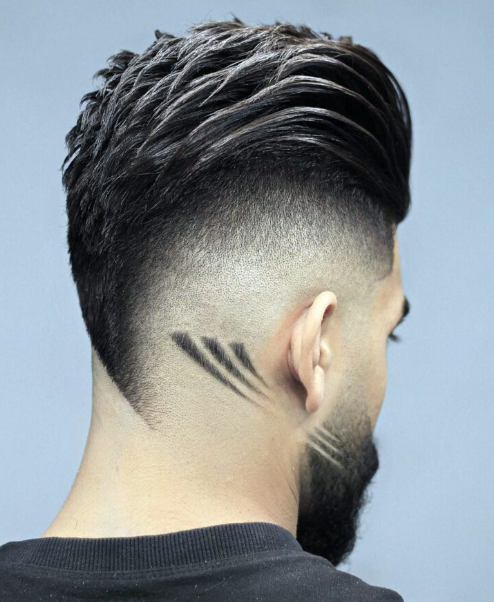
8 Low Taper Fade Haircuts That Turn Heads Everywhere
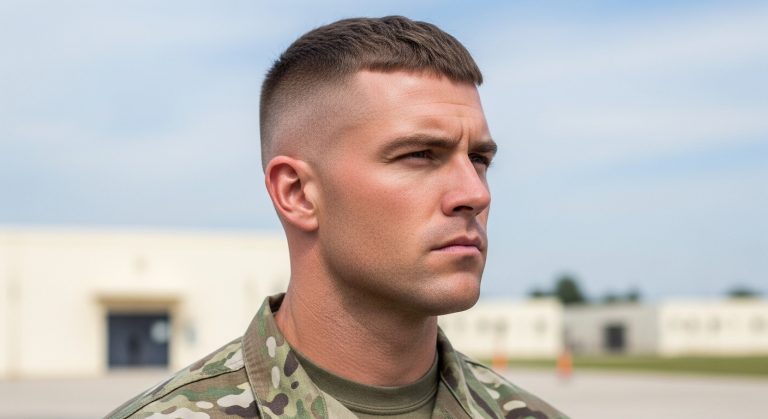
The low taper fade has emerged as one of the most versatile and sophisticated haircut styles in modern men’s grooming. Characterized by its subtle graduation from shorter hair at the sides and back to longer hair on top, this style maintains length while creating clean, defined lines that enhance facial features. Unlike more dramatic high fades, the low taper begins just above the ears, offering a refined look that transitions seamlessly between professional environments and casual settings.
In this collection, we explore eight head-turning low taper fade variations that have gained popularity among style-conscious men. From classic interpretations paired with textured tops to more creative approaches featuring asymmetrical designs, these cuts demonstrate the remarkable adaptability of the low taper fade. Whether you have straight, curly, or afro-textured hair, these styles prove that the right low taper fade can elevate your appearance while complementing your natural hair type and personal aesthetic.
Low Taper Fade Basics: Begins just above the ears and gradually increases in length moving upward, creating a subtle, elegant transition.
Versatility Factor: Works with virtually all hair types and lengths on top, making it suitable for professional settings while maintaining style.
Maintenance Level: Requires a trim every 2-4 weeks to maintain the clean graduation effect, with longer intervals for styles with more growth on top.
The Essential Guide to Low Taper Fade Haircuts
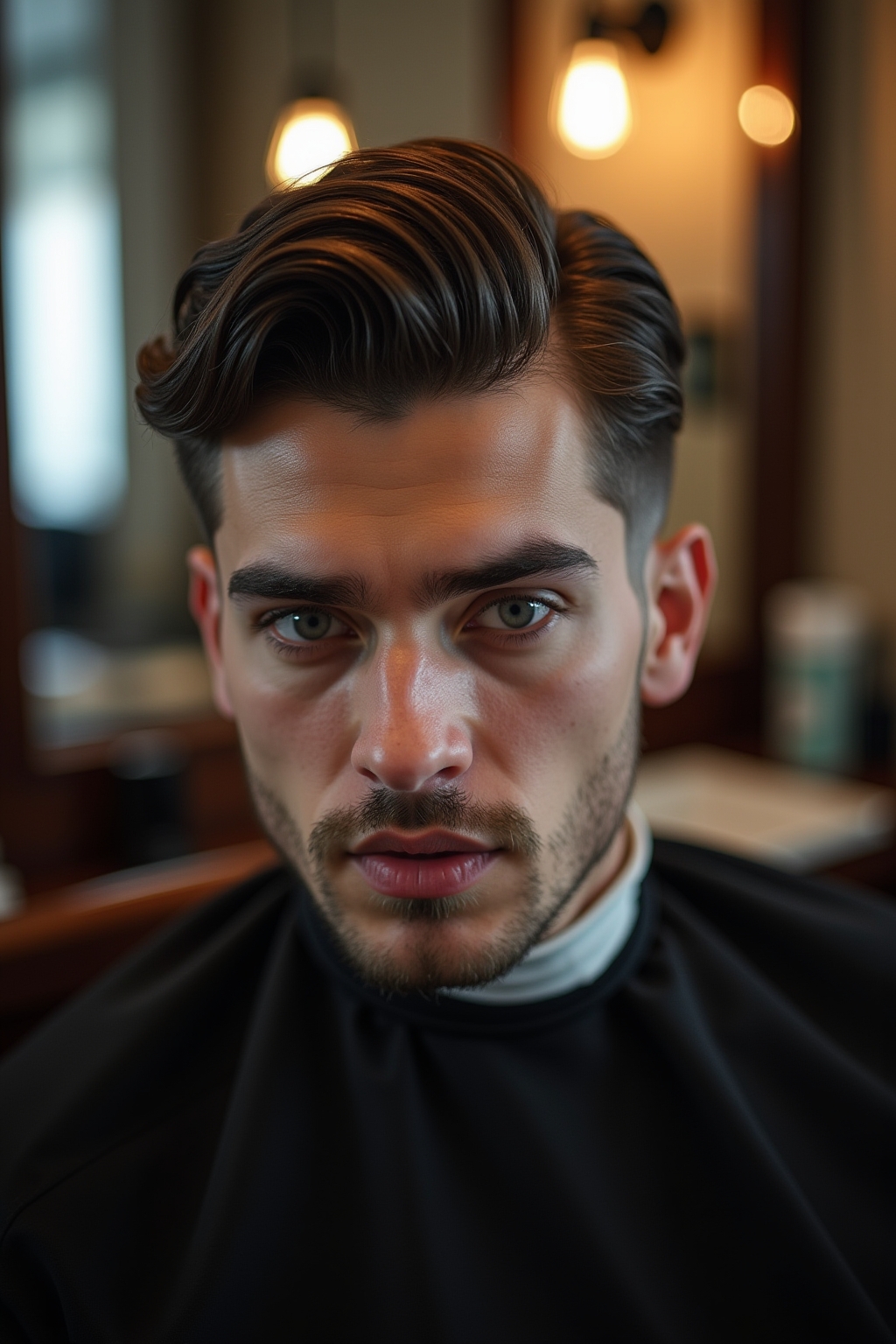
The low taper fade haircut offers a subtle yet stylish transition from longer hair on top to shorter sides, making it one of the most versatile options for men seeking a refined look. What sets this cut apart is its gradual decrease in hair length that begins lower on the head than other fade styles, creating a more conservative appearance that’s suitable for both professional environments and casual settings. For optimal results, it’s crucial to find a barber who understands the nuances of low taper fade styles for different face shapes, as the right variation can enhance your natural features while maintaining a clean, sophisticated profile. The beauty of this timeless cut lies in its adaptability—it can be paired with various top styles from textured crops to slicked-back looks, allowing you to customize your appearance while enjoying the low-maintenance benefits of a precisely tapered haircut.
How to Achieve the Perfect Low Taper Fade at Home
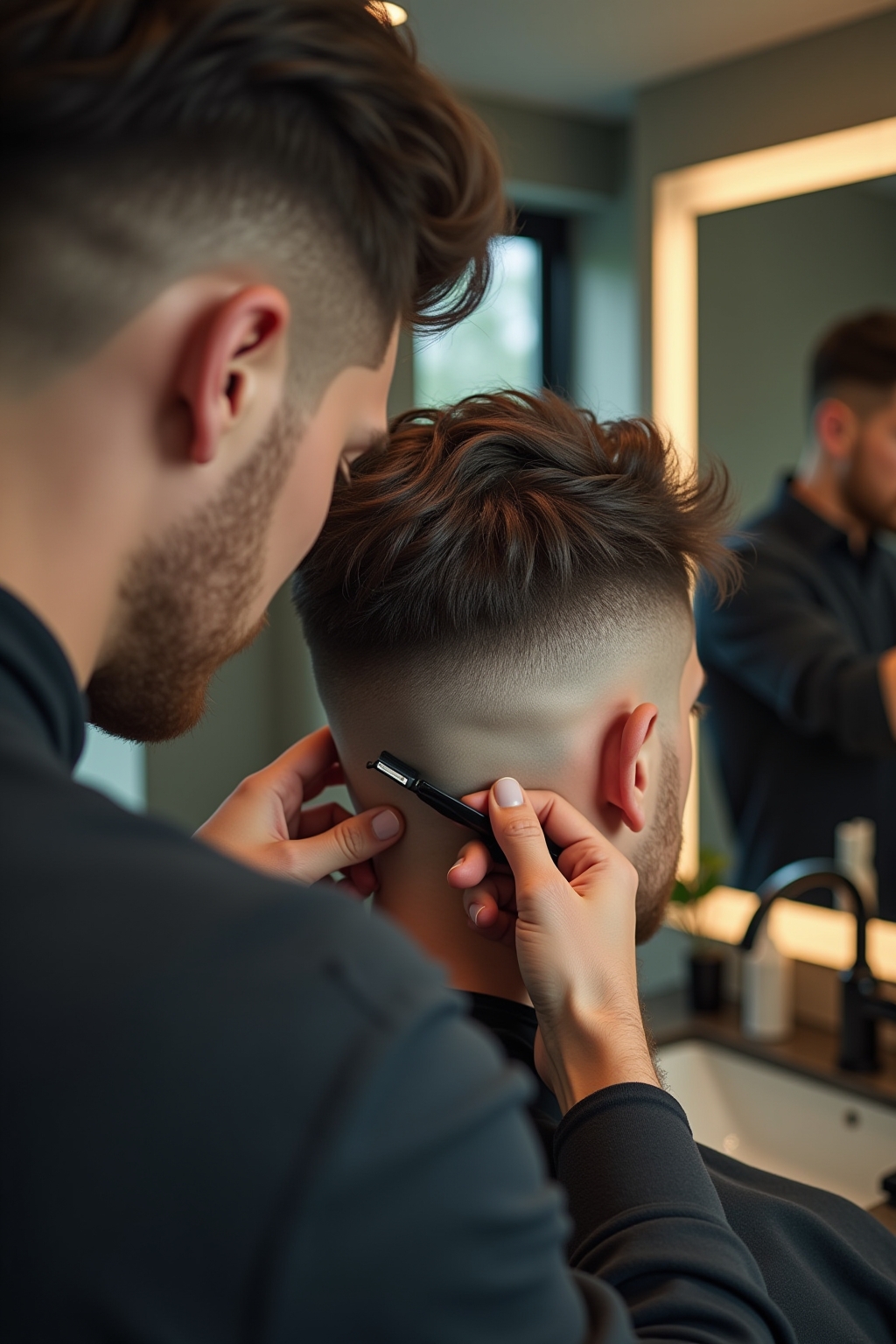
Achieving a perfect low taper fade at home is completely possible with the right tools and technique. First, ensure you have quality clippers with multiple guard sizes, sharp scissors, and a handheld mirror to check your progress from all angles. Start by cutting the top section to your desired length, leaving it longer than the sides for that classic fade contrast. When creating the fade, begin with a higher guard number at the top (usually #3 or #4) and gradually decrease to lower guards (#2, #1, and finally no guard) as you move downward toward the neckline. The key to a professional-looking result is to blend each section seamlessly by using a flicking motion with your wrist when transitioning between different lengths.
Always start with a higher guard number and work your way down to avoid cutting too much too soon.
The flicking motion with the clippers creates the soft blending essential for a professional-looking taper fade.
Regular maintenance every 2-3 weeks keeps your low taper fade looking fresh and clean.
Evolution of the Low Taper Fade Through Decades
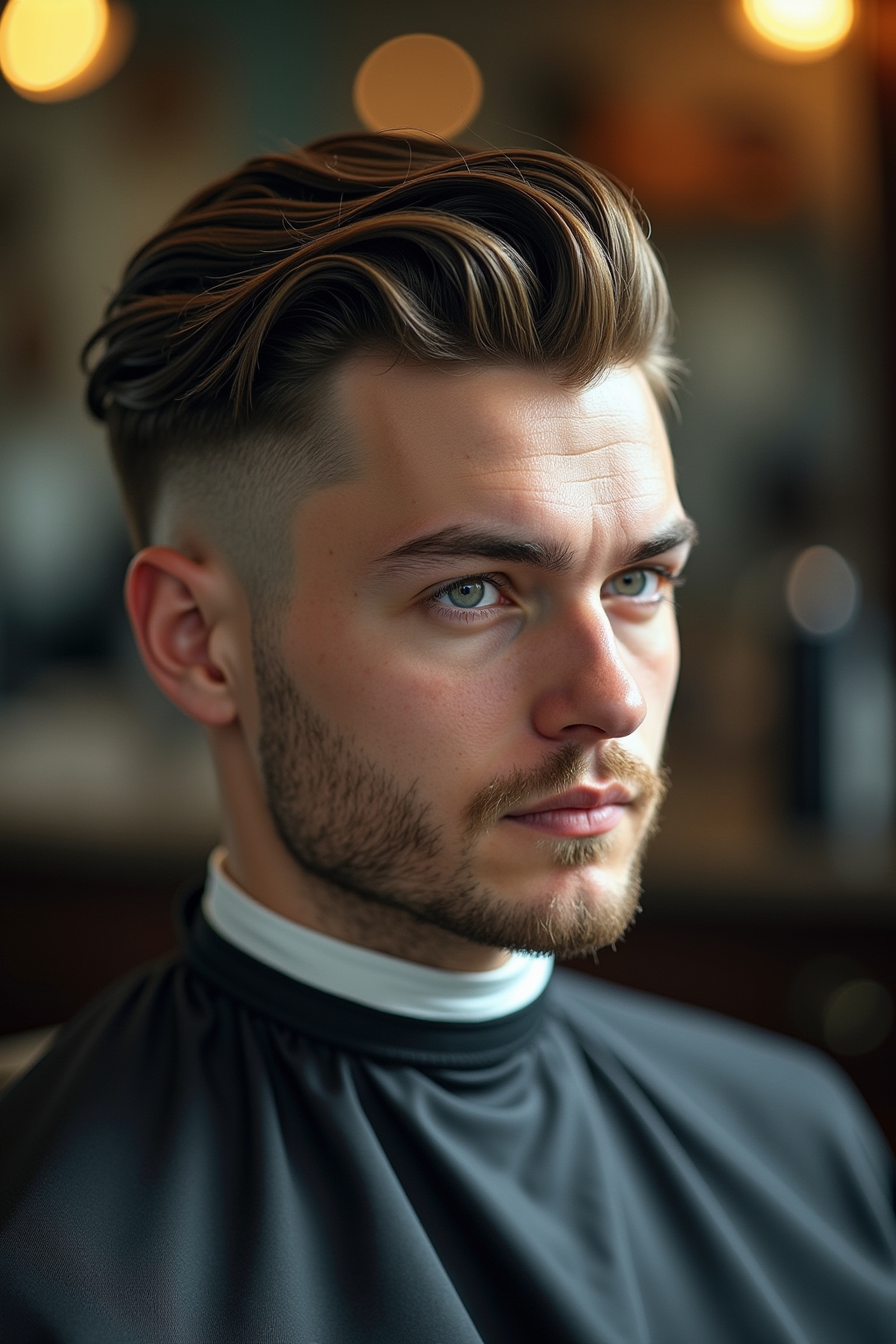
The low taper fade has undergone remarkable transformations since its emergence in the 1950s, evolving from military-inspired precision cuts to becoming a cornerstone of contemporary men’s style. Throughout the 1980s and 1990s, the low taper fade gained significant popularity within hip-hop culture, where it was often paired with creative patterns and longer tops that reflected personal expression and cultural identity. By the early 2000s, the cut had become more refined and versatile, with barbers developing techniques to create seamless transitions that complemented various hair textures, including curly hairstyles that work beautifully with tapered sides. Today’s low taper fade represents the perfect balance of classic barbering tradition and modern styling preferences, offering subtle elegance that works across professional environments while still providing enough edge for fashion-forward individuals.
Low Taper Fade Variations for Different Face Shapes
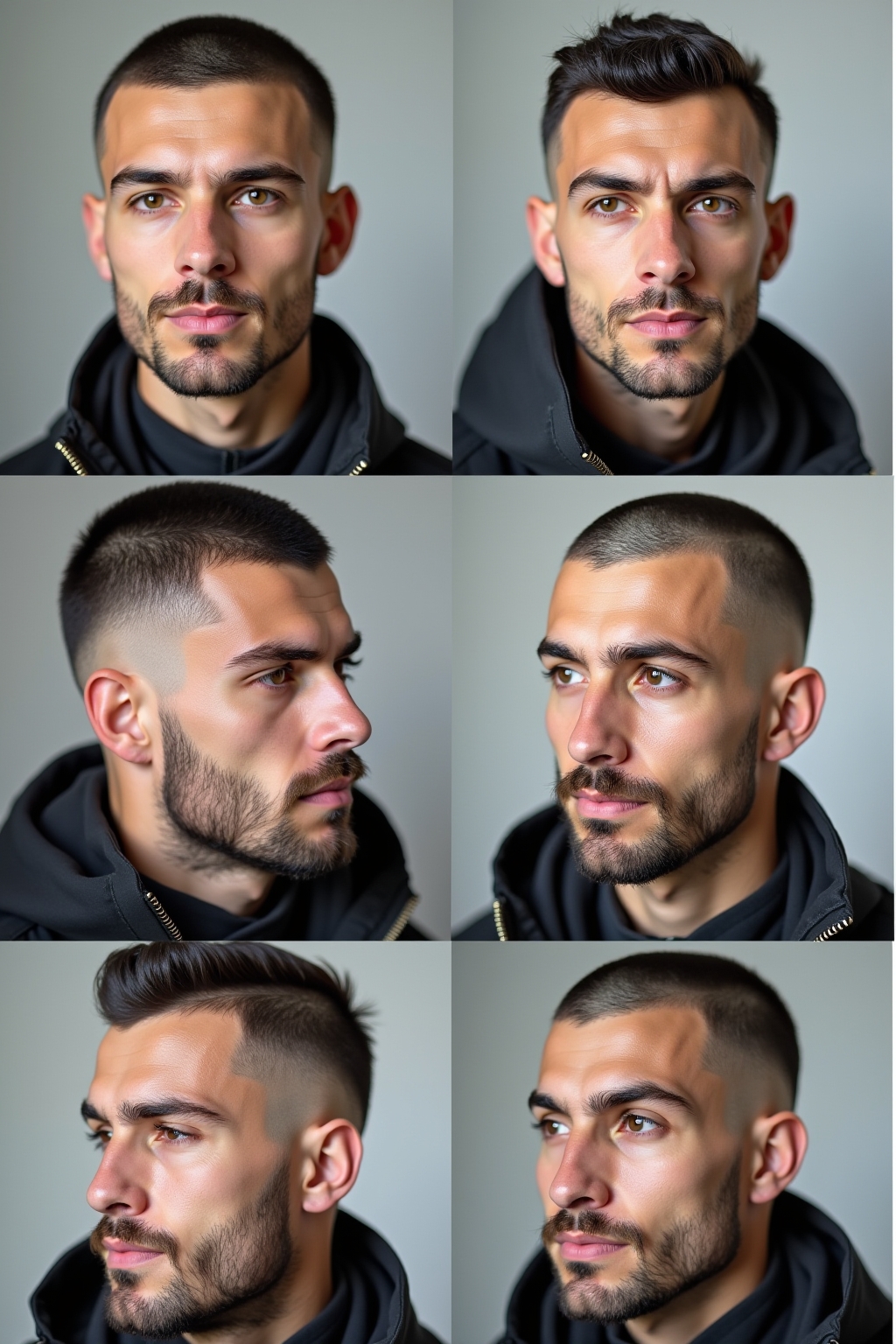
The low taper fade can be customized to complement various face shapes, making it a versatile choice for men seeking a flattering haircut. For oval faces, a standard low taper fade works beautifully, as this balanced face shape can carry virtually any variation with ease. Those with round faces benefit from a low taper fade with extra height on top, which helps elongate the face and create a more angular appearance. Men with square or rectangular face shapes might opt for a softer low taper fade with textured elements to balance strong jawlines and add dimension to their overall look.
- Low taper fades can be customized to enhance any face shape’s natural features.
- Oval faces can wear virtually any low taper fade variation successfully.
- Round faces benefit from added height on top to create a lengthening effect.
- Square or rectangular faces look balanced with softer low taper fades and textured elements.
Styling Products That Enhance Your Low Taper Fade
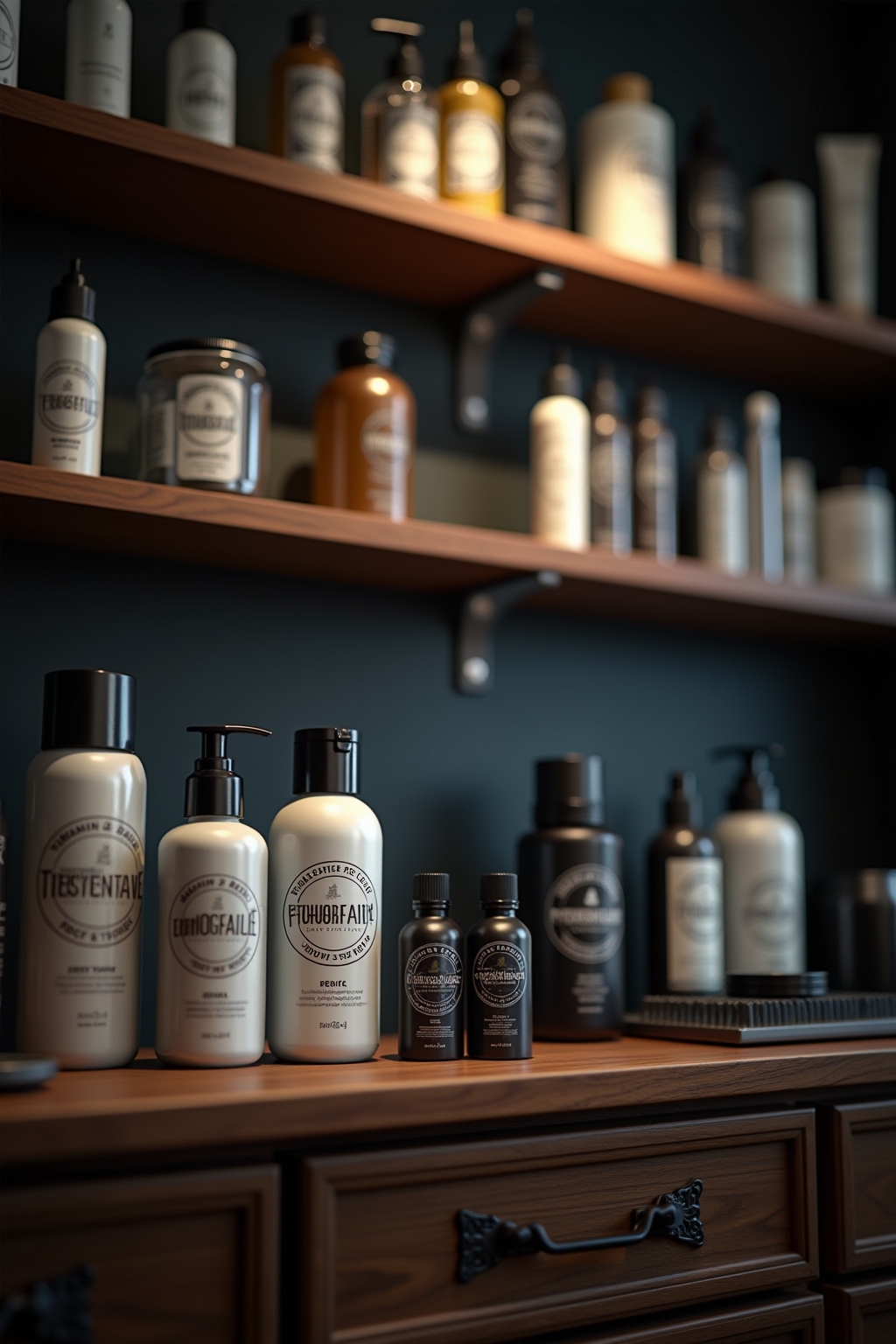
To maintain your low taper fade looking sharp and well-defined, selecting the right styling products is essential. A lightweight matte pomade offers excellent hold without excessive shine, perfectly highlighting the contrast between the faded sides and your longer top hair. For those seeking more texture, sea salt spray applied to damp hair before blow-drying creates natural-looking volume that complements the clean lines of your fade. If you prefer a more polished appearance, a small amount of hair wax provides flexible control while allowing your hair to maintain natural movement throughout the day. Those with curly or wavy hair atop their fade will benefit from a curl-enhancing cream that defines your natural texture while preventing frizz. Remember that less is more—start with a small amount of product and add more as needed to avoid weighing down your perfectly crafted low taper fade.
Matte pomades and waxes provide hold without excessive shine, perfect for accentuating the contrast in a low taper fade.
Start with a pea-sized amount of product and work through slightly damp hair for optimal distribution and control.
Different hair textures require specific products: curl creams for curly tops, lightweight gels for straight hair, and sea salt sprays for adding texture.
Celebrity-Inspired Low Taper Fade Haircuts to Try
Hollywood’s biggest stars continue to showcase how versatile and sophisticated the low taper fade can look when executed properly. Stars like Michael B. Jordan and Drake have popularized this cut, combining it with creative top styling that maintains length while ensuring a clean, gradual fade around the sides. For younger style enthusiasts, many celebrities have adapted boys low taper fade variations that work perfectly for school and special occasions, demonstrating how this classic cut can be appropriate for all ages and settings.
Maintaining Your Low Taper Fade Between Barber Visits
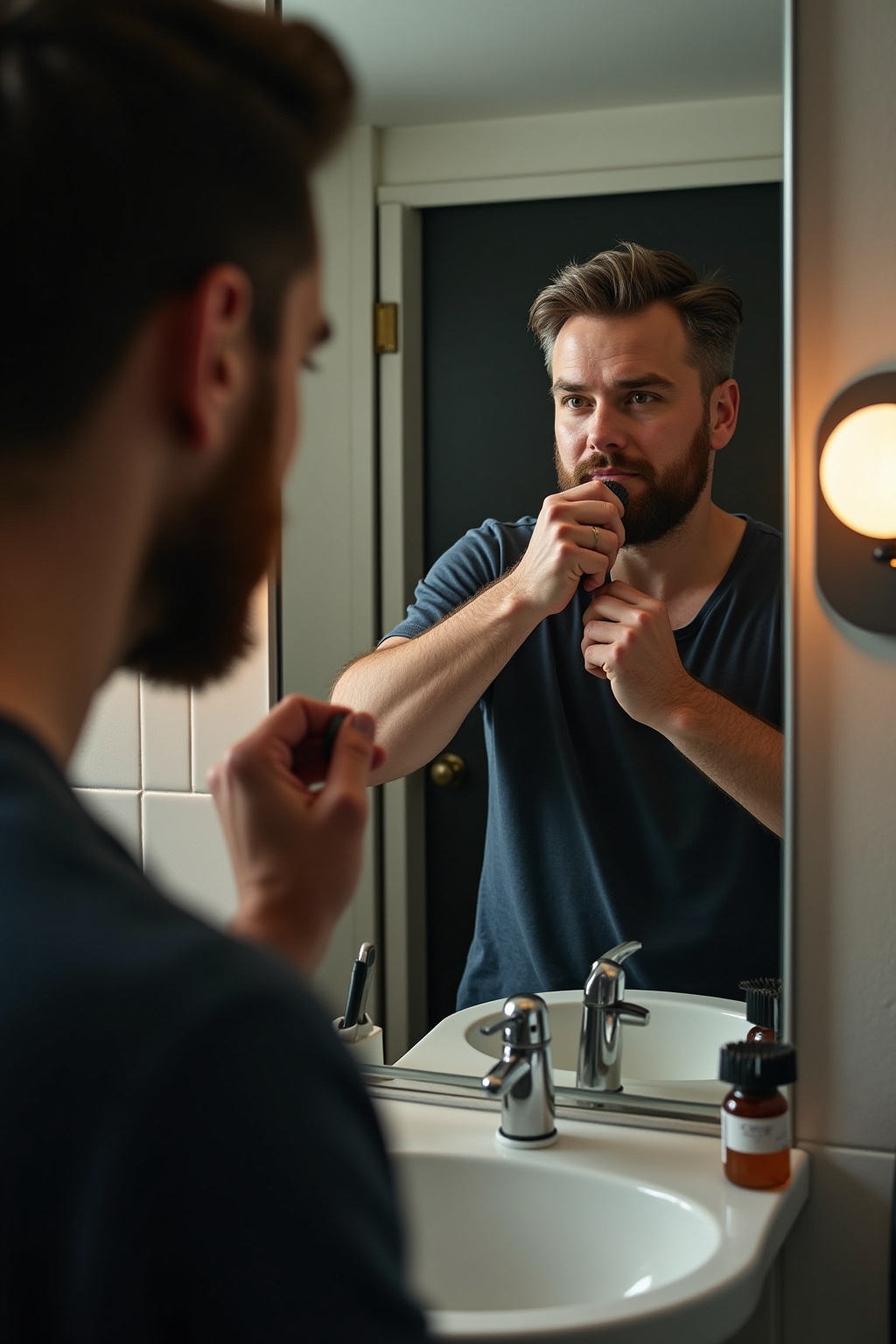
To extend the life of your low taper fade between professional appointments, regular maintenance is key. Using a quality trimmer, carefully clean up the edges around your ears and neckline once a week to maintain those crisp lines. Proper hair products like lightweight pomades or matte clays can help style your hair and keep the fade looking fresh even as it grows out. Remember that while DIY touch-ups can help, it’s best to avoid cutting too high into the fade yourself, as this is where most at-home maintenance mistakes occur.
- Clean up edges around ears and neckline weekly with a quality trimmer.
- Use lightweight styling products to maintain the fade’s appearance as it grows.
- Avoid cutting too high into the fade yourself to prevent mistakes.
- Schedule barber visits every 2-3 weeks for optimal fade maintenance.
Combining Low Taper Fades with Beard Styles

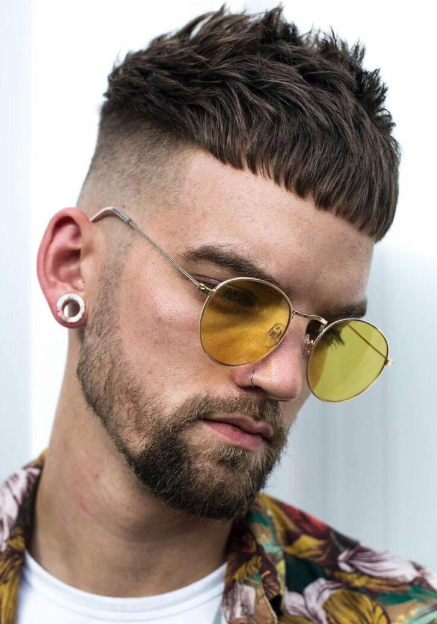
The low taper fade creates a seamless transition when paired with various beard styles, offering a cohesive and polished appearance from head to chin. For men with fuller beards, the subtle graduation of a low taper fade provides the perfect contrast while maintaining an overall balanced look. The clean lines around the temples and ears accentuate facial features while allowing your beard to remain the focal point of your style statement. Whether you opt for a neatly trimmed beard or a more substantial growth, the low taper fade serves as an ideal complement that enhances your overall grooming aesthetic.
Häufige Fragen zu Low Taper Fade Haircut
Was genau ist ein Low Taper Fade Haircut?
Der Low Taper Fade ist ein präziser Haarschnitt, bei dem die Haare am Nacken und über den Ohren besonders kurz gehalten werden und nach oben hin sanft länger werden. Im Gegensatz zu anderen Fade-Varianten beginnt der Übergang (Fade) sehr tief am Kopf, etwa 2-3 cm über dem Ohr. Diese dezente Abstufung erzeugt einen eleganten Look, der sowohl im Business-Umfeld als auch in der Freizeit gut ankommt. Die allmähliche Verjüngung schafft eine natürliche Silhouette und lässt sich mit verschiedenen Frisuren auf der Kopfoberseite kombinieren, sei es mit einem klassischen Seitenscheitel, einem texturierten Oberkopf oder einem modernen Quiff.
Wie unterscheidet sich ein Low Taper Fade von anderen Fade-Varianten?
Der Low Taper Fade zeichnet sich durch seinen tiefen Ansatzpunkt aus – die Verjüngung beginnt erst knapp über den Ohren und dem Nackenbereich. Im Vergleich dazu startet ein Mid Fade in der mittleren Kopfregion, während der High Fade bereits nahe der Schädeldecke einsetzt. Der Low Taper wirkt dadurch subtiler und konservativer als seine “höheren” Verwandten. Ein weiterer Unterschied liegt in der Abstufungstechnik: Beim klassischen Taper werden die Haare graduell länger, ohne dass die Haut durchscheint, während beim Low Skin Fade die Haare bis auf die Haut reduziert werden. Die sanftere Konturierung des Low Taper Fade macht ihn besonders vielseitig kombinierbar und zeitlos elegant – ideal für Männer, die einen gepflegten Look ohne zu radikale Übergänge bevorzugen.
Für welche Gesichtsformen eignet sich der Low Taper Fade Haarschnitt besonders?
Der Low Taper Fade harmoniert mit nahezu allen Gesichtsformen, zeigt aber besondere Stärken bei länglichen, ovalen und rechteckigen Gesichtern. Bei länglichen Gesichtszügen schafft die tiefe Konturierung eine optische Balance, ohne zusätzliche Höhe zu betonen. Männer mit eckigen Kieferpartien profitieren von der weichen Abstufung, die harte Konturen gekonnt ausgleicht. Runde Gesichtsformen können durch einen etwas längeren Oberkopf in Kombination mit dem flachen Fade gestreckt wirken. Der dezente Übergang des Haarschnitts eignet sich auch hervorragend für dreieckige Gesichter, da er die Proportionen ausbalanciert. Die Vielseitigkeit dieses Kurzhaarschnitts erlaubt zudem individuelle Anpassungen – etwa durch Styling des Oberhaars – um die jeweiligen Gesichtszüge optimal zu betonen.
Wie oft muss ich einen Low Taper Fade nachschneiden lassen?
Für einen gepflegten Low Taper Fade empfiehlt sich ein Nachschnitt alle 3-4 Wochen. Da der Übergang tiefer am Kopf ansetzt als bei High Fade Varianten, wächst er etwas weniger auffällig nach und behält länger seine Kontur. Das Nachwachsen ist bei diesem Haarschnitt gnädiger, da die Abstufung weniger extrem ausfällt. Für besonders präzise Ergebnisse können Sie nach etwa 2-3 Wochen die Konturen am Nacken und um die Ohren beim Barbier auffrischen lassen. Wer seinen Kurzhaarschnitt möglichst lange frisch halten möchte, sollte auf hochwertiges Stylingprodukt setzen, das die Struktur betont. Männer mit schnellem Haarwuchs müssen möglicherweise die Intervalle verkürzen, während bei langsamerem Wachstum auch 5 Wochen zwischen den Friseurbesuchen liegen können.
Welche Stylingprodukte eignen sich am besten für einen Low Taper Fade?
Die Wahl des Stylingprodukts hängt primär von der Länge und Textur des Oberhaars ab. Für kurzes, strukturiertes Oberhaar eignet sich eine matte Paste oder Ton, die natürlichen Halt mit dezenter Textur bietet. Bei mittlerer Haarlänge sorgen leichte Pomaden oder Cremes für definierte Styles ohne zu beschweren. Möchten Sie mehr Volumen erzielen, empfiehlt sich ein Pre-Styling mit Salzspray oder Volumen-Mousse vor dem Föhnen. Für einen klassischen, glänzenden Look, etwa bei einem Seitenscheitel, sind traditionelle Pomaden oder Gele ideal. Bei längeren Frisuren auf dem Oberkopf sorgen Haarwachse für flexiblen Halt. Achten Sie bei der Produktauswahl auf die gewünschte Mattheit bzw. den Glanzgrad sowie die Haltbarkeit. Für den Low Taper Bereich selbst benötigen Sie in der Regel kein separates Produkt.
Kann ich einen Low Taper Fade mit Bart kombinieren?
Absolut! Der Low Taper Fade harmoniert hervorragend mit verschiedenen Bartformen und schafft einen durchdachten Gesamtlook. Besonders beliebt ist die Kombination mit einem Vollbart, der nahtlos in den tiefen Fade-Übergang integriert wird. Der Barbier kann dabei einen fließenden Übergang zwischen Kopf- und Gesichtsbehaarung schaffen. Auch kürzere Bartvarianten wie der Dreitagebart oder der markante Boxed Beard ergänzen den dezenten Haarschnitt perfekt. Für einen besonders gepflegten Eindruck empfiehlt sich eine klare Konturierung der Bartlinie, die die sauberen Linien des Fade-Cuts aufgreift. Die Kombination betont maskuline Gesichtszüge und schafft einen modernen, aber zeitlosen Look. Wichtig ist, dass Bart und Haarstufen in einem ausgewogenen Verhältnis stehen – Ihr Friseur kann Sie zur optimalen Proportion beraten.