8 Mid Taper Fade Haircut Styles for Modern Men
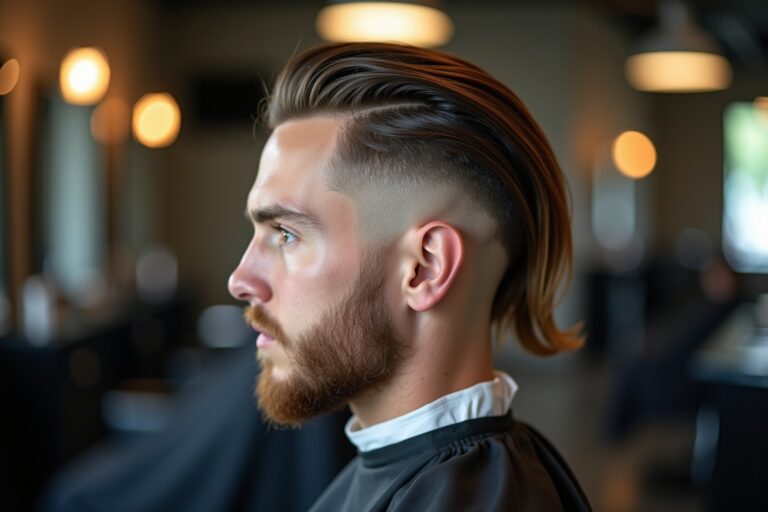
The mid taper fade haircut has emerged as one of the most versatile and sought-after styles for the modern man. Striking the perfect balance between classic grooming traditions and contemporary aesthetics, this cut offers a gradual transition from longer hair on top to shorter sides, creating a clean, defined look that suits virtually any face shape or personal style. Whether paired with textured crops, slick pompadours, or casual quiffs, the mid taper fade serves as an excellent foundation for a polished appearance.
In today’s image-conscious world, men are increasingly looking for haircuts that require minimal maintenance while making a maximum impact. The mid taper fade answers this call perfectly, offering a sophisticated silhouette that stays sharp for weeks while allowing for personal expression through various styling options on top. From boardroom meetings to weekend adventures, these eight mid taper fade variations we’re about to explore provide modern men with the versatility and confidence to navigate any social situation with style.
Mid Taper Fade Basics: Starts tapering around the temple area, creating a balanced transition between longer top hair and shorter sides.
Maintenance Level: Requires a touch-up every 2-3 weeks to maintain the clean gradient effect.
Styling Versatility: Compatible with various top styles from short textured crops to longer pompadours and quiffs.
Everything You Need to Know About the Mid Taper Fade Haircut
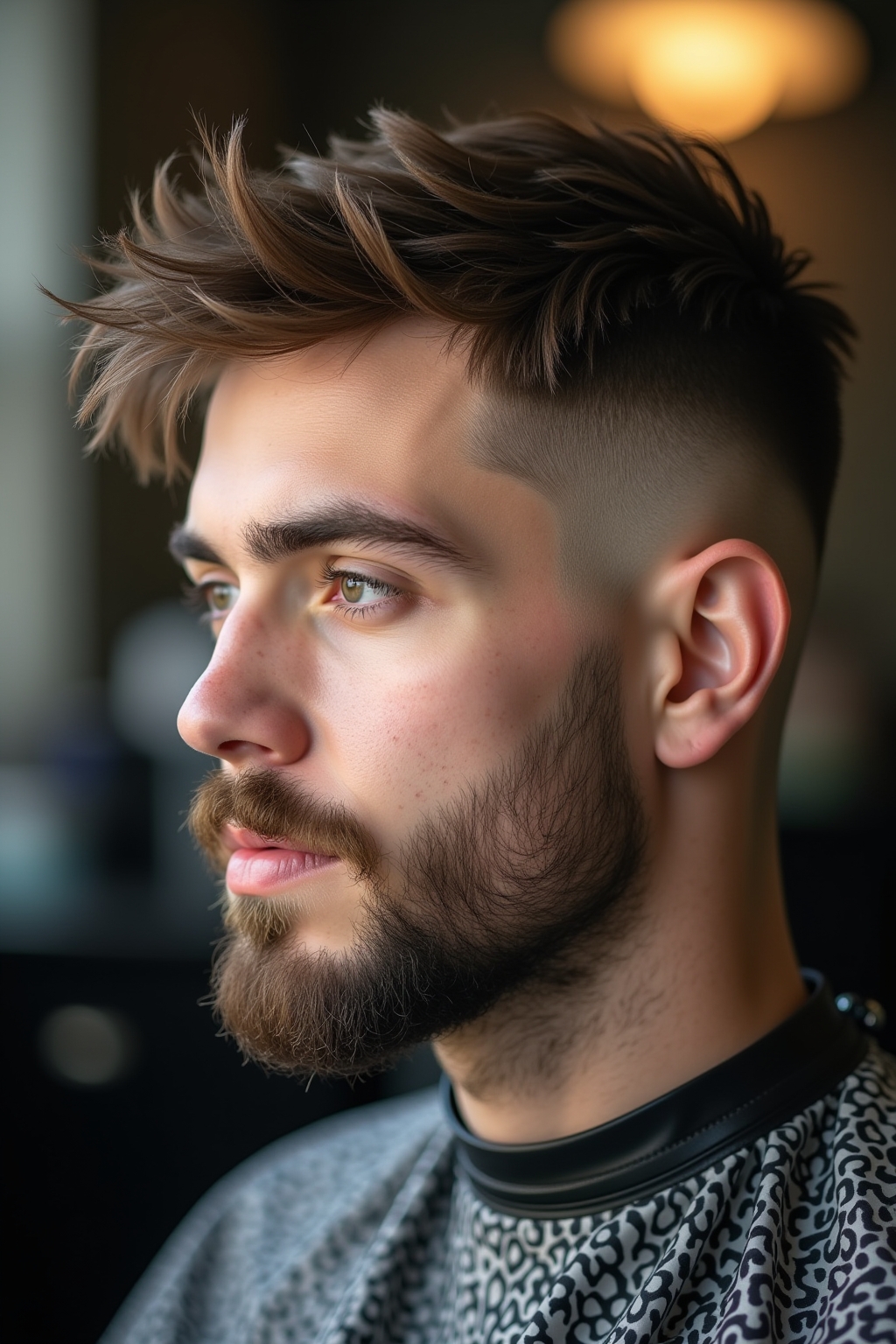
The mid taper fade haircut strikes the perfect balance between subtlety and boldness, gradually transitioning from longer hair on top to shorter sides that taper mid-way down the head. This versatile style works with virtually any hair type and can be customized to complement different face shapes, making it one of the most requested cuts in barbershops worldwide. While similar to other taper fade variations, the mid version specifically starts its graduation around the temples or slightly lower, creating that distinctive look that’s neither too conservative nor too dramatic. Whether paired with a textured top, slick back, or curly crown, the mid taper fade provides a clean, professional foundation that keeps you looking sharp between barber visits.
How to Ask Your Barber for the Perfect Mid Taper Fade
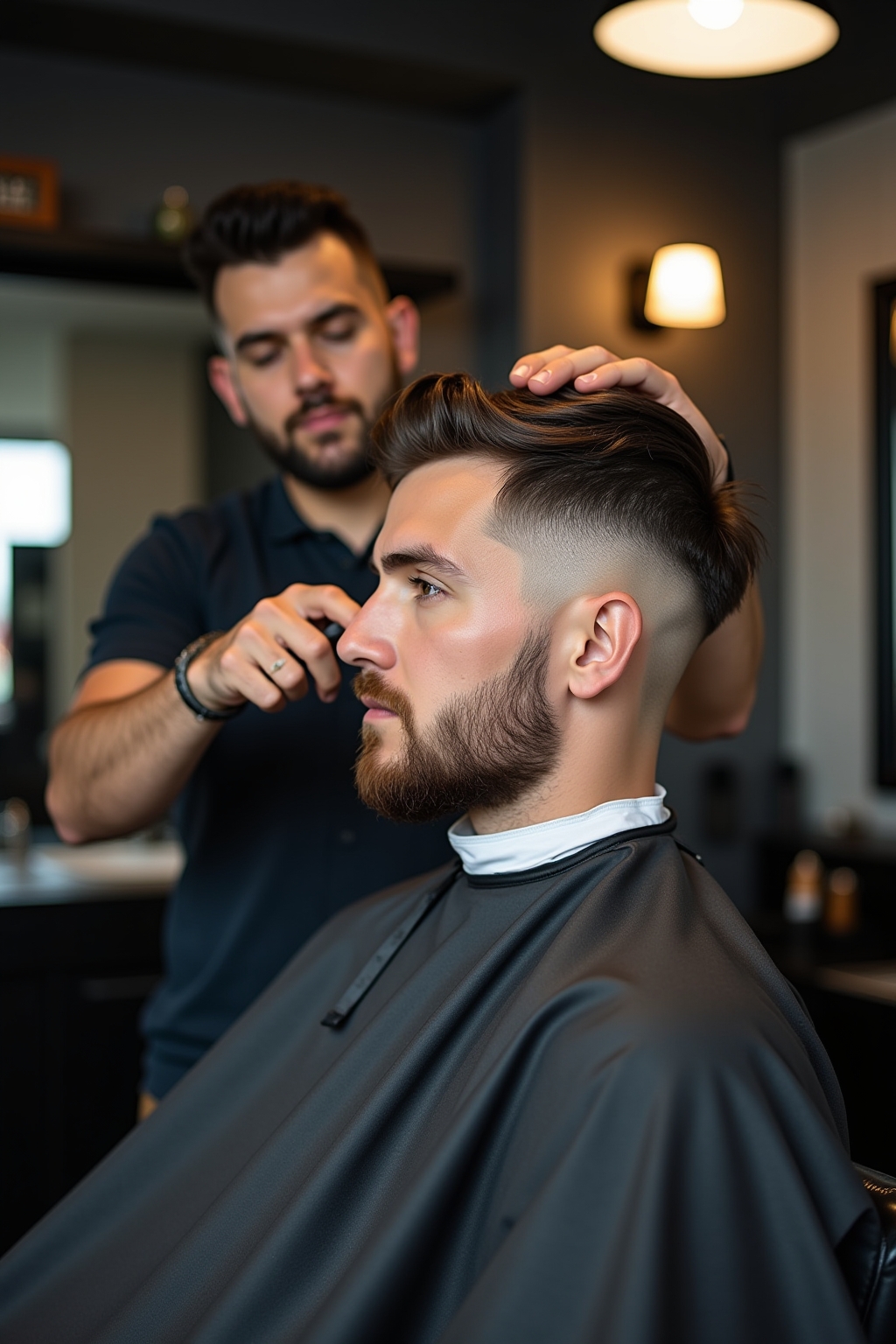
When asking your barber for the perfect mid taper fade, clear communication is essential to achieve exactly what you’re looking for. Start by showing reference photos from different angles to give your barber a visual guide of your desired fade height and transition style. Be specific about where you want the fade to begin—typically a mid taper starts halfway up the sides of your head, creating that balanced look between short and longer hair. Discuss your preferred hair length on top and how much contrast you want between the faded sides and the crown of your head. Finally, don’t hesitate to ask questions about maintenance and how frequently you should return for touch-ups to keep your mid taper fade looking fresh and sharp.
Always bring reference photos to show exactly what mid taper fade style you want.
Specify the starting point of your fade—for a mid taper, this should be around the middle of the sides.
Discuss maintenance requirements with your barber to keep your fade looking crisp between appointments.
Top 5 Styling Tips for Your New Mid Taper Fade Haircut
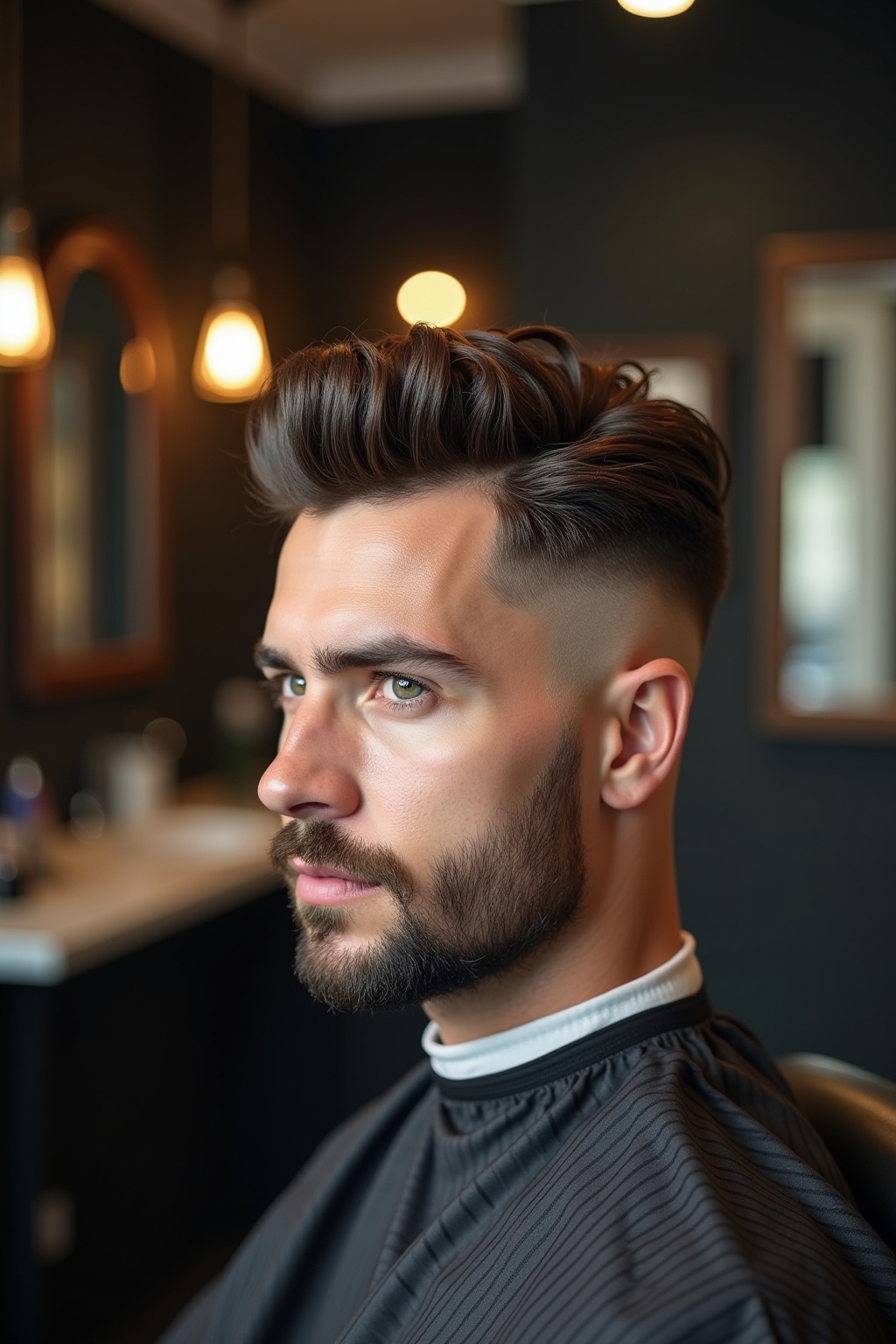
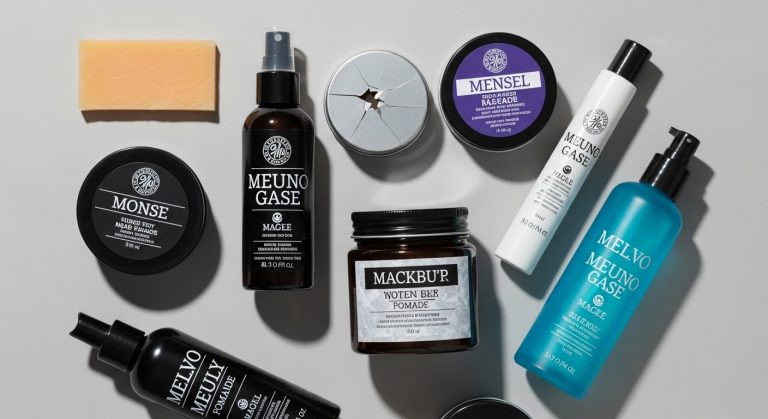
Maintaining your fresh mid taper fade haircut is all about having the right styling products and techniques at your disposal. For textured looks on top, use a small amount of matte pomade or clay, working it through your hair from roots to tips with your fingertips. Daily maintenance is crucial—invest in quality products that suit your hair type while exploring different styling ideas for taper fades to keep your look versatile. Remember that regular touch-ups every 2-3 weeks will keep those crisp fade lines looking sharp and prevent your mid taper from losing its defined contrast.
The Evolution of the Mid Taper Fade: From Military to Mainstream

The mid taper fade first gained popularity in military circles where practical, low-maintenance haircuts were essential for soldiers in combat. By the 1980s and 1990s, this versatile style began crossing over into civilian life as barbers refined the technique, making it more accessible to the general public. Hip-hop culture embraced the mid taper fade in the early 2000s, helping propel it from barbershops in urban centers to mainstream fashion magazines and celebrity red carpets. Today, the mid taper fade has evolved into countless variations, becoming one of the most requested haircuts across diverse demographics and cultural backgrounds.
- Originally a practical military haircut designed for functionality
- Transitioned to civilian popularity through refined barbering techniques
- Gained widespread cultural recognition through hip-hop and urban fashion
- Evolved into numerous variations appealing to diverse demographics
Maintenance Guide: Keeping Your Mid Taper Fade Looking Fresh
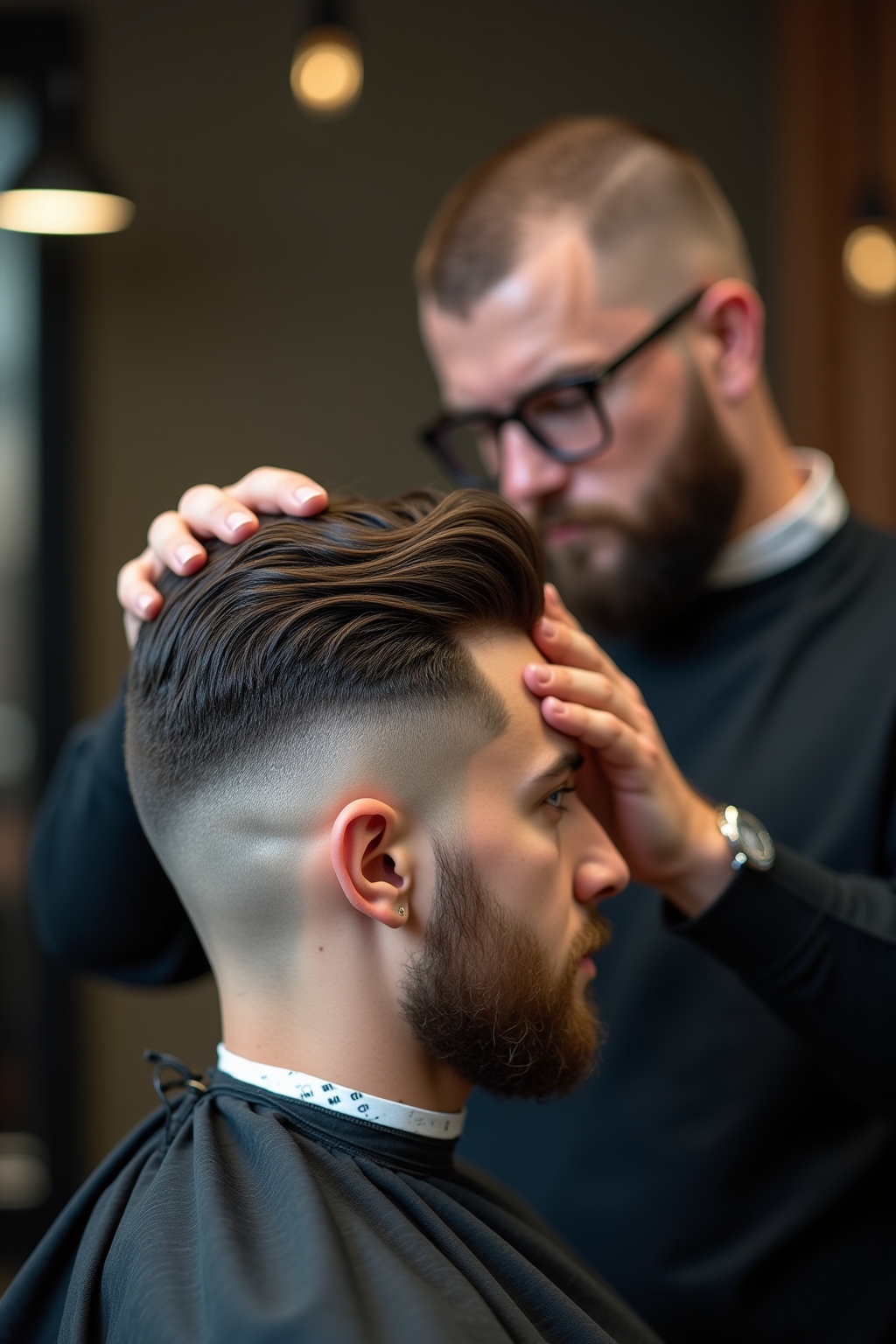
To maintain your mid taper fade in its optimal condition, scheduling regular touch-up appointments every 2-3 weeks with your barber is essential. Between professional visits, you can use a quality trimmer with adjustable guard settings to carefully clean up your neckline and around your ears, ensuring the fade remains defined. Daily styling with appropriate products such as matte pomade or light hold cream will help maintain the shape and texture of your cut throughout the day. Protecting your hair from excessive heat and sun damage by wearing a hat during extended outdoor activities will preserve the crispness of your fade longer. Finally, investing in good hair care products specifically designed for your hair type and using them consistently will keep your mid taper fade looking fresh and prevent it from growing out unevenly.
Maintenance Tip: Schedule barber touch-ups every 2-3 weeks to maintain the precise graduation of your mid taper fade.
Home Care: Use a quality trimmer with guards between appointments to clean up edges and maintain fade lines.
Styling: Apply appropriate styling products daily based on your hair texture to keep your mid taper fade looking sharp.
Mid Taper Fade Variations for Different Face Shapes
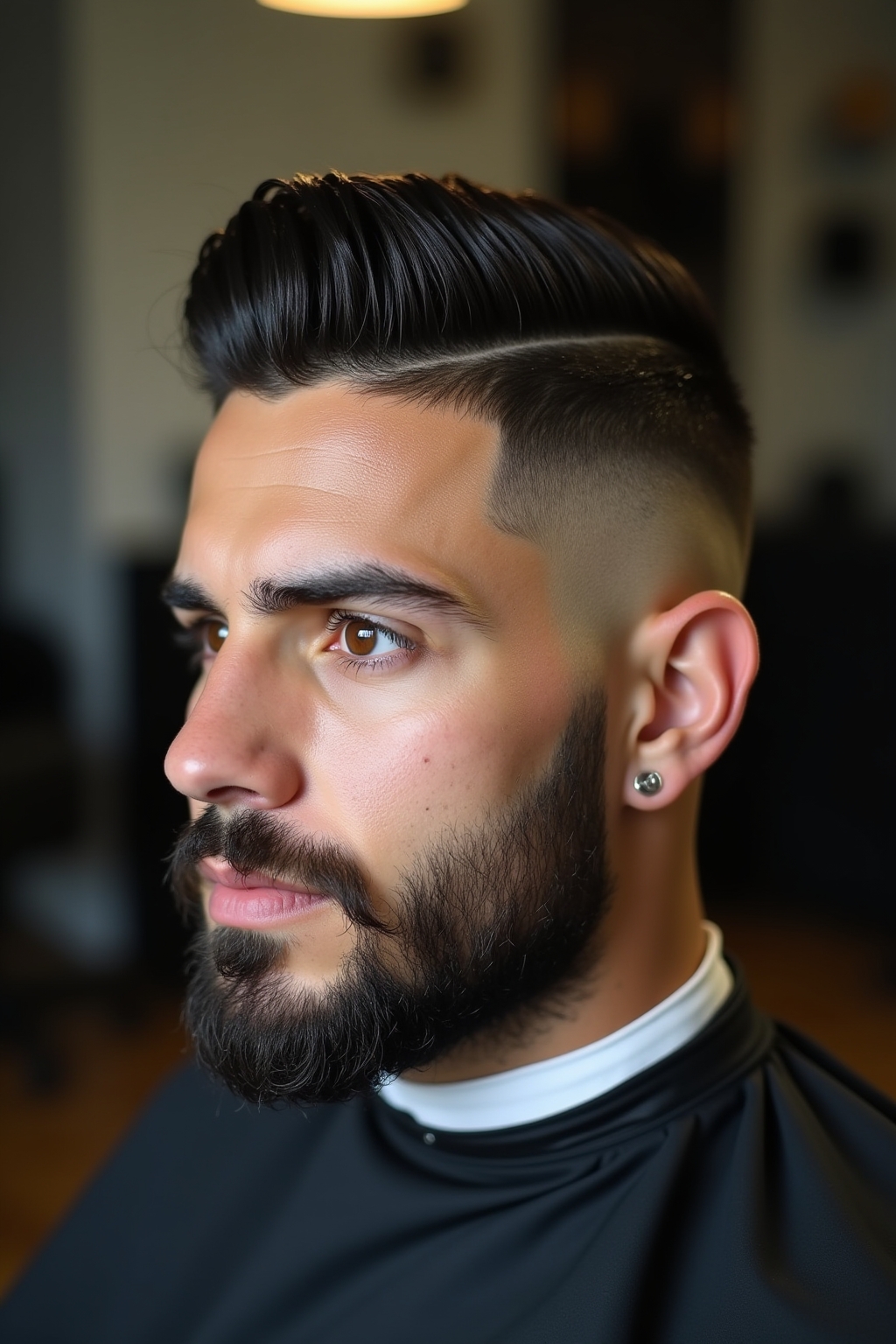
The versatility of the mid taper fade makes it adaptable to complement various face shapes, with slight adjustments creating dramatically different effects. For oval faces, a classic mid taper fade with textured top maintains balance, while those with round faces benefit from a higher fade that adds height and creates more angular definition. Men with square or rectangular face shapes might consider a low taper fade variation that softens strong jawlines while still preserving the clean, structured aesthetic that makes this haircut so popular.
Celebrity-Inspired Mid Taper Fade Hairstyles to Try
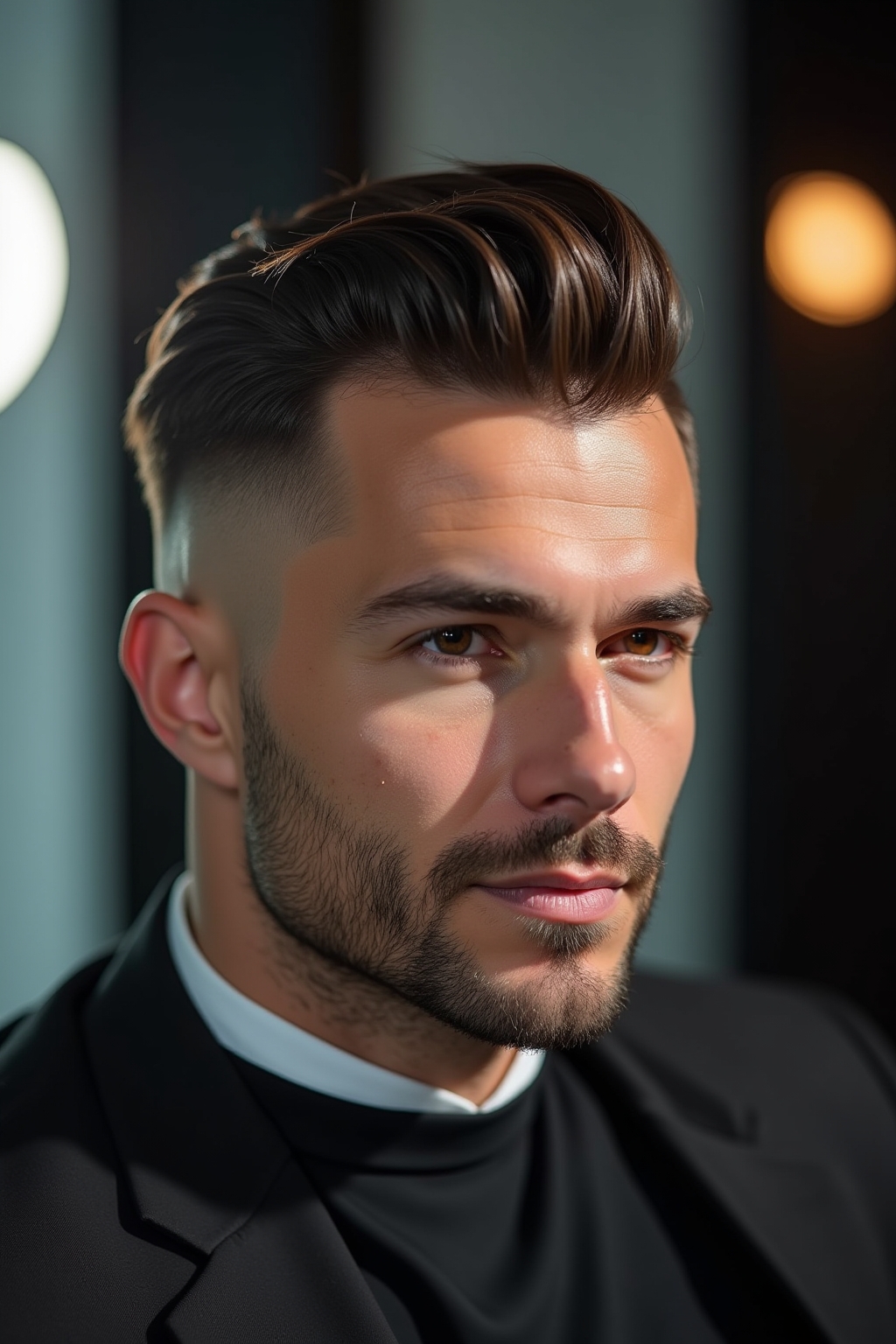
Hollywood celebrities have become the ultimate trendsetters for stylish mid taper fade haircuts that combine sophistication with modern edge. Stars like David Beckham and Michael B. Jordan showcase how this versatile cut can be personalized with different lengths on top while maintaining that signature gradual fade at the sides. Justin Timberlake’s interpretation features a slightly longer crown area, proving that the mid taper fade works brilliantly with textured styling and natural movement. Whether you prefer Ryan Reynolds’ clean-cut approach or Drake’s more defined line-up, these celebrity-inspired variations offer perfect reference points for your next barber visit.
- Celebrities demonstrate the versatility of the mid taper fade with various styling options.
- David Beckham and Michael B. Jordan exemplify different approaches to the same haircut concept.
- Justin Timberlake’s version shows how texture on top complements the graduated sides.
- Celebrity styles provide excellent reference images to show your barber.
Combining the Mid Taper Fade with Different Hair Textures and Lengths
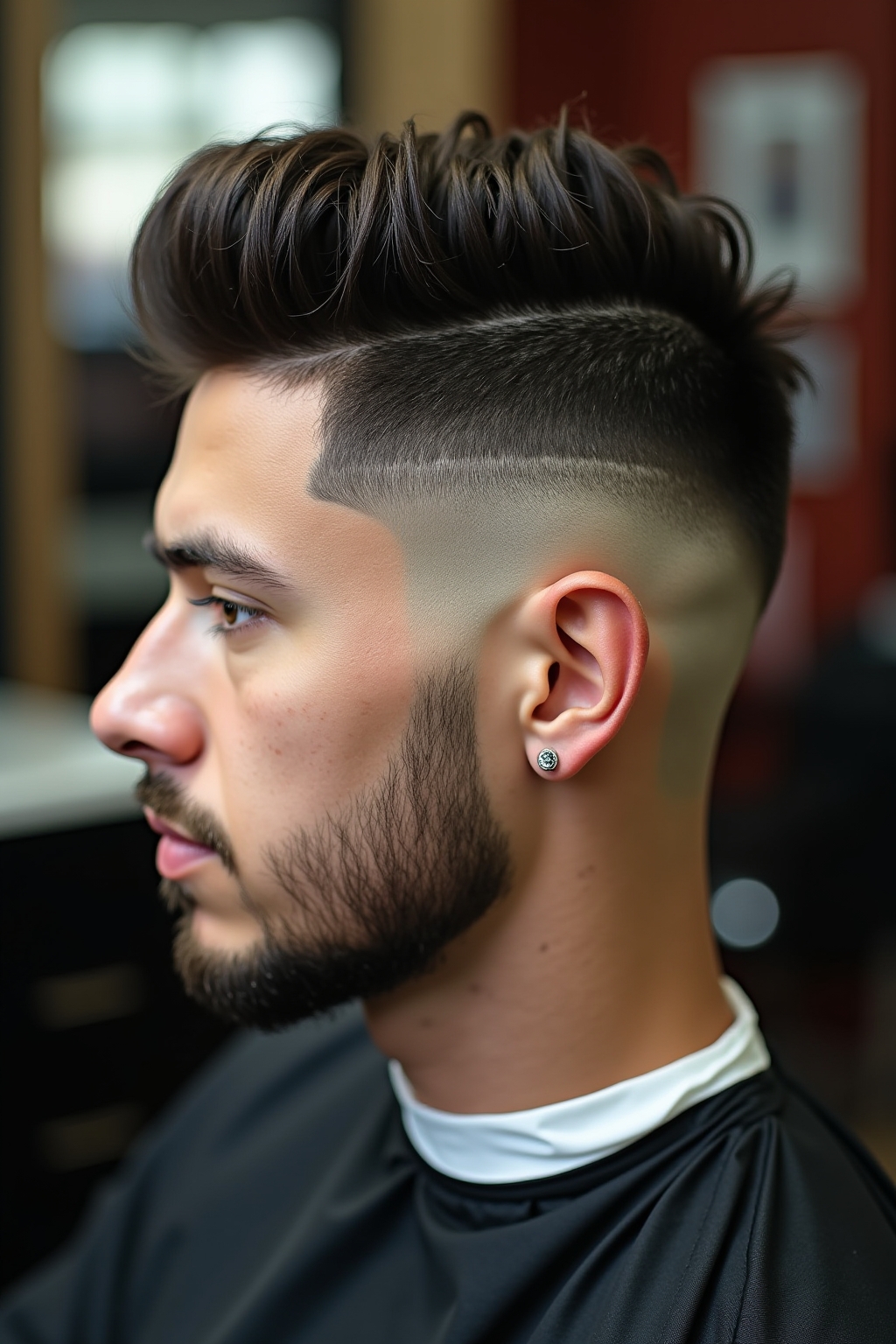
The mid taper fade offers remarkable versatility across various hair textures, working beautifully with straight, wavy, curly, or coiled hair types. For those with longer hair on top, the contrast between length and the tapered sides creates a striking visual impact that can be styled in numerous ways, from slicked-back looks to textured crops. Curly or thick-haired individuals will appreciate how the mid taper fade helps manage volume while maintaining their natural texture where desired. The gradual transition of the mid taper also complements different face shapes, allowing your barber to customize the fade height and intensity to best frame your unique features.
Häufige Fragen zu Mid Taper Fade Haircut
Was genau ist ein Mid Taper Fade Haircut?
Der Mid Taper Fade ist ein moderner Haarschnitt, bei dem die Haare an den Seiten und im Nacken von der Mitte der Kopfseite nach unten kontinuierlich kürzer werden und schließlich in die Haut übergehen. Anders als beim Low Fade beginnt die Verjüngung etwa auf Höhe der Schläfen, was einen ausgewogenen Look schafft. Dieser Frisurenstil kombiniert Eleganz mit Kantigkeit und lässt sich vielseitig mit verschiedenen Haarlängen oben kombinieren – vom kurzen Buzz Cut bis hin zu längeren Styles wie Pompadour oder Quiff. Die mittlere Übergangszone bietet einen harmonischen Kontrast zwischen kurzem und längerem Haar.
Für welche Gesichtsformen eignet sich der Mid Taper Fade besonders?
Der Mid Taper Fade Haarschnitt ist besonders vielseitig und passt zu fast allen Gesichtsformen, bietet aber spezifische Vorteile je nach Typ. Bei runden Gesichtern sorgt dieser Haarstil für mehr Definition und Struktur, indem er optisch Länge verleiht. Ovale Gesichter harmonieren nahezu perfekt mit dem ausgewogenen Übergang des mittleren Fades. Rechteckige oder längliche Gesichter profitieren von der voluminöseren Mitte, die die Proportionen ausgleicht. Bei eckigen Gesichtszügen kann der Schnitt die markanten Konturen betonen oder sanfter wirken lassen, je nach Styling. Herzförmige Gesichter erhalten durch den Seitenverlauf eine optische Balance zur schmaleren Kinnpartie.
Wie unterscheidet sich ein Mid Taper Fade von anderen Fade-Varianten?
Der Mid Taper Fade unterscheidet sich von anderen Fade-Varianten hauptsächlich durch seine Positionierung und Übergangslänge. Im Gegensatz zum Low Fade, der erst tief am Kopf beginnt, setzt der mittlere Übergang etwa auf Höhe der Schläfen an, was einen ausgewogeneren Look erzeugt. Der High Fade dagegen startet deutlich höher, nahe der Kopfkrone, und schafft einen dramatischeren Kontrast. Bei der Taper-Technik bleiben die Übergänge generell weicher als beim klassischen Fade. Ein Skin Fade (auch Zero Fade genannt) geht bei allen Varianten bis auf die Haut hinunter, während ein normaler Taper etwas Haarlänge am unteren Rand behält. Der mittlere Verlauf bietet die ideale Balance zwischen Dezenz und Statement.
Welche Stylingprodukte eignen sich am besten für einen Mid Taper Fade Haircut?
Für das optimale Styling eines Mid Taper Fade Haarschnitts kommt es auf die richtige Produktwahl je nach Oberhaarlänge an. Bei kürzeren Oberkopfpartien eignen sich leichte Mattpasten oder Haarwachse, die natürliche Textur verleihen, ohne zu beschweren. Für mittlere Längen bieten Styling-Cremes oder Pomaden mit mittlerem Halt die ideale Balance zwischen Formbarkeit und Struktur. Bei voluminöseren Styles wie Pompadour oder Quiff empfehlen sich Volumen-Mousses als Grundlage und stärkere Haarpomaden oder Haargels für den finalen Halt. Meersalzsprays können bei allen Varianten für zusätzliche Textur sorgen. Für den ausrasierten Übergangsbereich des Fades sind pflegende Kopfhautöle ratsam, um Trockenheit und Irritationen vorzubeugen.
Wie oft muss ein Mid Taper Fade nachgeschnitten werden?
Ein Mid Taper Fade benötigt regelmäßige Pflege, um seine charakteristische Silhouette und sauberen Übergänge zu bewahren. Idealerweise sollte dieser Haarschnitt alle 2-3 Wochen nachgeschnitten werden, da besonders die kurzen Partien des Fades schnell nachwachsen und die präzise Abstufung verloren geht. Bei einem weniger scharfen Kontrast oder einem weicheren Taper-Effekt kann das Intervall auf 3-4 Wochen ausgedehnt werden. Wer seinen Schnitt besonders akkurat halten möchte, kann zwischen den Friseurbesuchen die Konturen am Nacken und an den Koteletten mit einem Trimmer selbst nacharbeiten. Die Pflegehäufigkeit hängt letztlich vom persönlichen Haarwuchs und dem gewünschten Grad an Präzision ab.
Kann ich einen Mid Taper Fade mit lockigem Haar tragen?
Absolut! Der Mid Taper Fade harmoniert hervorragend mit lockigem Haar und schafft einen reizvollen Kontrast zwischen Struktur und Verlauf. Bei Naturlocken sorgt dieser Schnitt für eine kontrollierte Silhouette, während die Textur oben ihre volle Wirkung entfalten kann. Entscheidend ist die Expertise des Friseurs, der die Übergänge bei Locken anders schneiden muss als bei glattem Haar – idealerweise im trockenen Zustand, da Locken trocken kürzer wirken. Die Kraushaarpracht oben kann unterschiedlich lang belassen werden, je nach gewünschtem Look. Bei der Pflege empfehlen sich spezielle Lockendefinitionsprodukte für den oberen Bereich und leichte Öle für den Fade-Bereich. Diese Kombination aus strukturiertem Übergang und natürlicher Lockentextur schafft einen modernen, individualisierbaren Style.