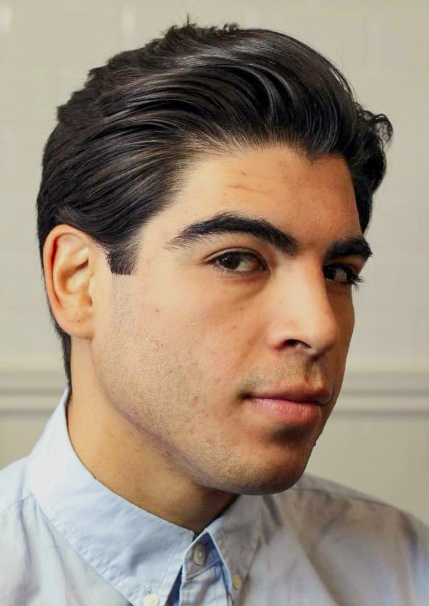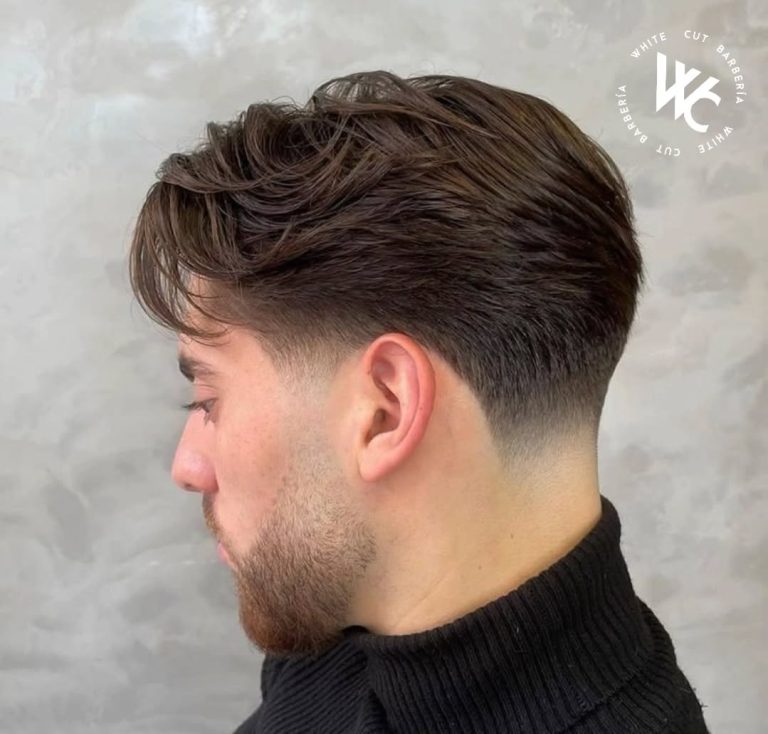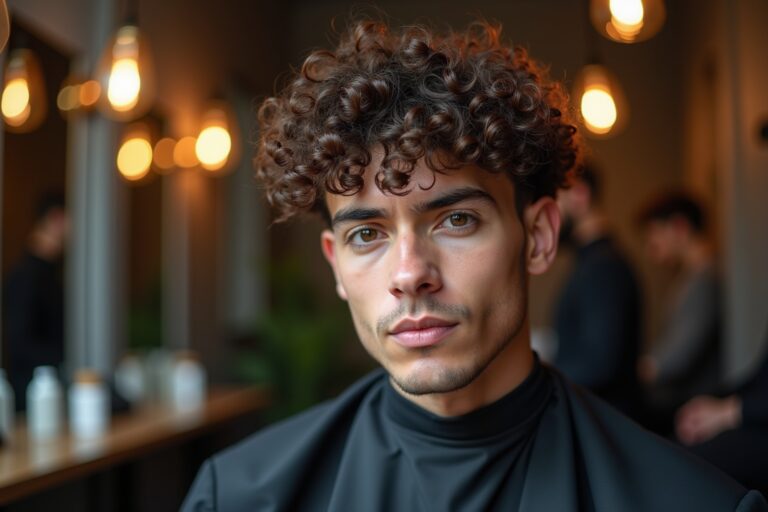
8 Mid Taper Fade Styles That Will Turn Heads
The mid taper fade has emerged as one of the most versatile and eye-catching haircuts in modern men’s style. Striking the perfect balance between subtle and bold, this cut gradually transitions from longer hair on top to shorter sides, creating a clean, defined look that works for virtually any face shape or hair type. Whether you’re looking for something professional enough for the office yet stylish enough for a night out, these eight head-turning variations will elevate your grooming game.
What sets these particular mid taper fade styles apart is their ability to be customized to your personal aesthetic while maintaining that classic, tailored appearance. From textured crops and pompadours to curly tops and sleek comb-overs, each style offers its own unique flair while sharing that signature mid-fade technique that barbers have perfected. These cuts don’t just complement your features—they create a framework that draws attention and makes a lasting impression wherever you go.
A mid taper fade starts to taper around the temples and gradually shortens down to the ears and neckline, offering more versatility than low or high fades.
Unlike skin fades, mid taper fades typically leave some hair even at their shortest points, making them lower-maintenance and suitable for professional environments.
These styles work with all hair textures but look particularly striking on thick, wavy, or curly hair where the contrast between the faded sides and textured top creates maximum visual impact.
The Complete Guide to the Mid Taper Fade Haircut
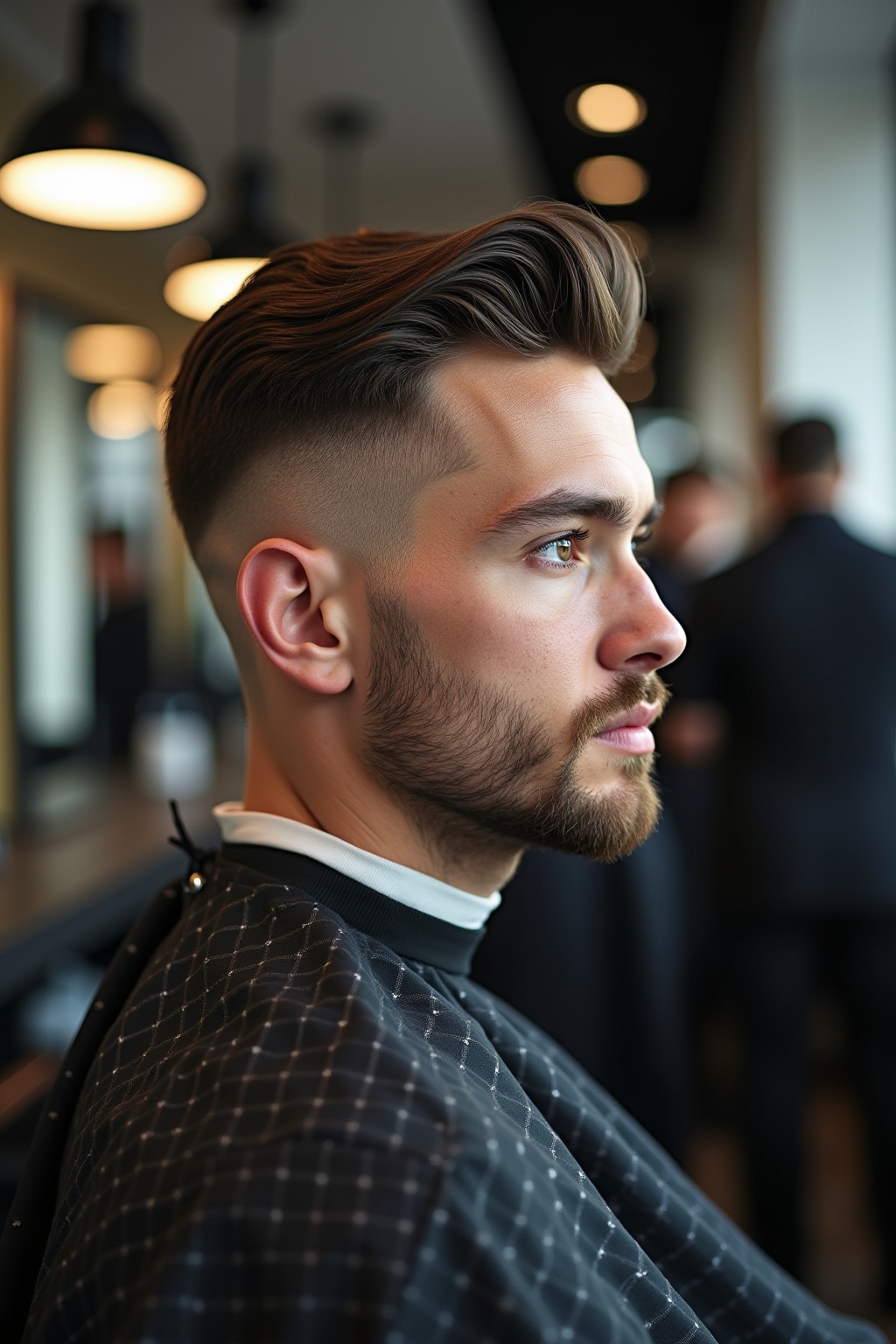
The mid taper fade represents the perfect balance between subtle and dramatic styling, offering versatility that works for virtually any face shape or hair type. This classic cut features gradual shortening of hair from the mid-point of the head downward, creating a smooth transition between longer top hair and closely cropped sides and back. While it shares characteristics with its higher-positioned counterpart, the mid taper’s starting point allows for more styling flexibility while maintaining a clean, professional appearance. Whether paired with textured crops, curly tops, or sleek combbacks, the mid taper fade remains one of the most requested haircuts in modern barbershops for its timeless appeal and adaptability.
How to Achieve the Perfect Mid Taper Fade at Home
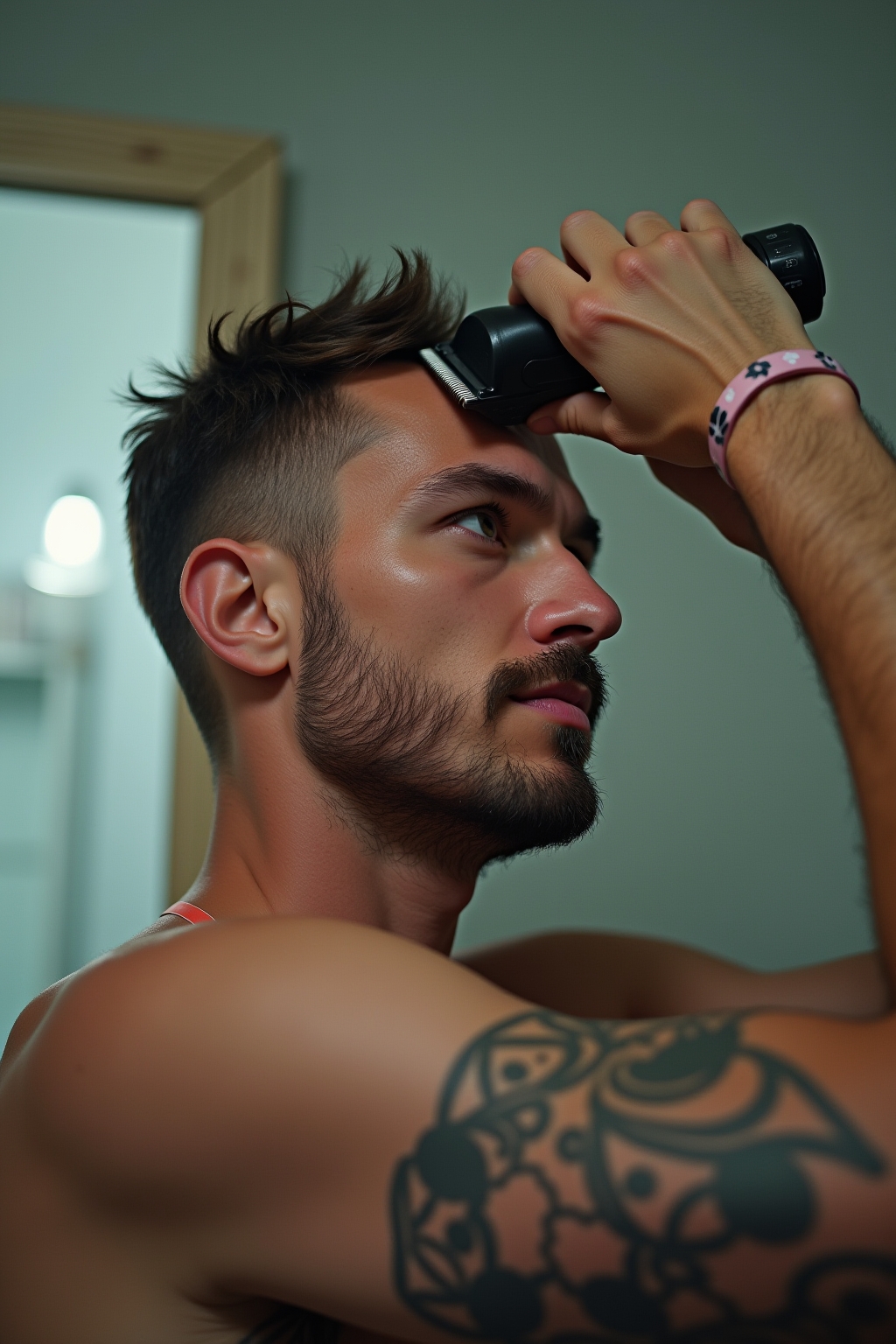
Achieving the perfect mid taper fade at home requires patience and the right tools, including quality clippers with multiple guard sizes and a handheld mirror. Begin by washing and drying your hair completely, then start cutting with a longer guard (usually #4 or #5) around the middle of your head where the fade will begin. Gradually work your way down using progressively shorter guards (#3, #2, #1) to create that signature tapered effect toward your ears and neckline. Use the lever on your clippers to blend between each guard length, ensuring there are no harsh lines of demarcation between the different lengths. Finally, check your work from all angles using mirrors and make small adjustments as needed until you achieve that professionally-looking mid taper fade.
A mid taper fade typically starts around the temples, requiring 3-4 different guard sizes for proper blending.
For best results, cut your hair when completely dry as wet hair appears longer and can lead to cutting too much.
Regular maintenance every 2-3 weeks helps maintain the clean look of a mid taper fade.
Mid Taper Fade vs. Other Fades: Understanding the Differences
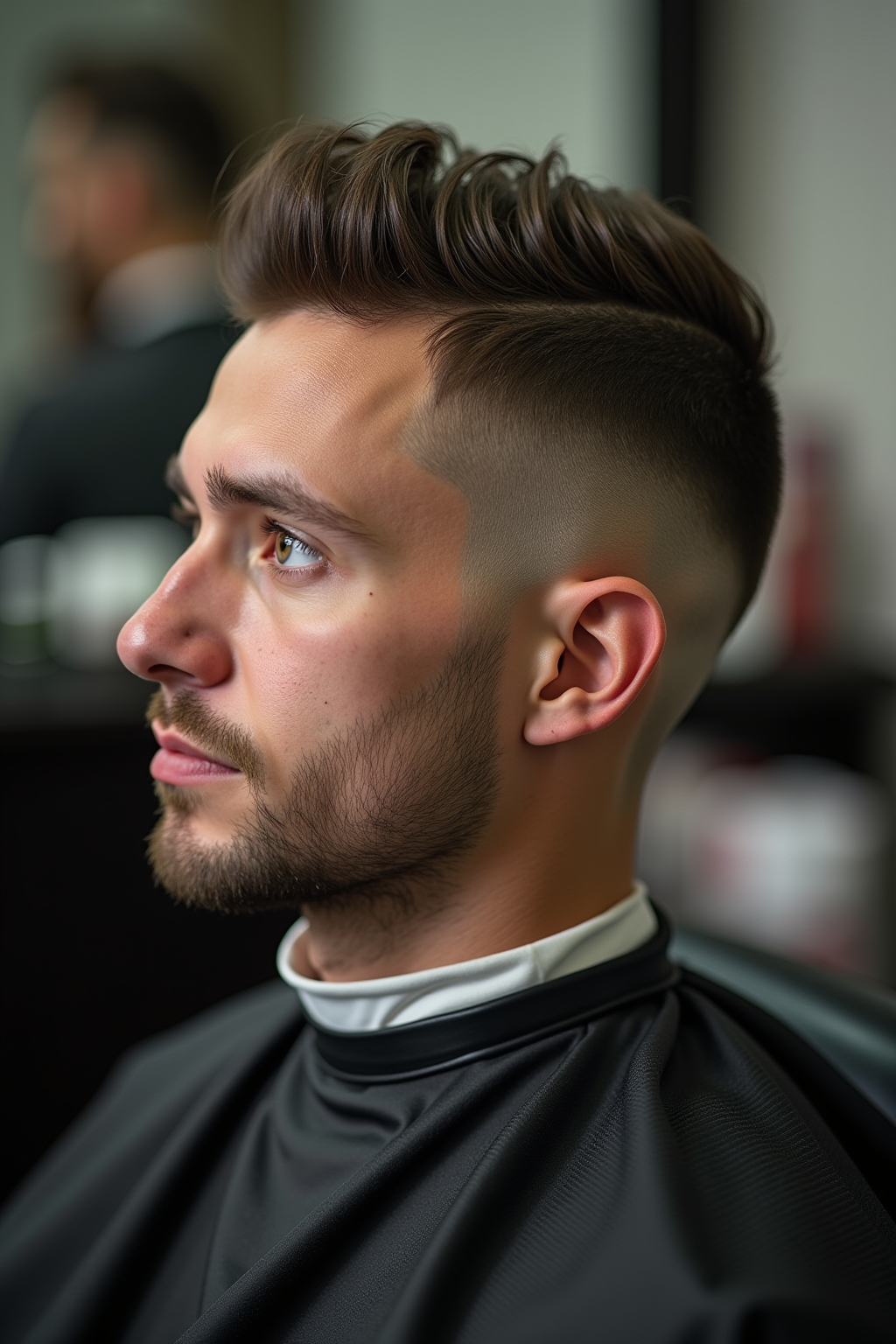
The mid taper fade occupies the perfect middle ground in the fade hierarchy, starting its gradient around the temples for a balanced look that suits most face shapes. Unlike the high taper fade, which begins near the crown creating a more dramatic contrast, the mid variant offers a more versatile and less maintenance-intensive option for everyday wear. On the other spectrum, the low taper fade popular among Black men starts just above the ears and creates a subtler transition that works exceptionally well with naturally textured hair. What makes the mid taper fade stand out is its remarkable versatility—it complements virtually any hair length on top while maintaining that clean, graduated look that defines modern men’s hairstyling.
Styling Options for Your Mid Taper Fade Haircut
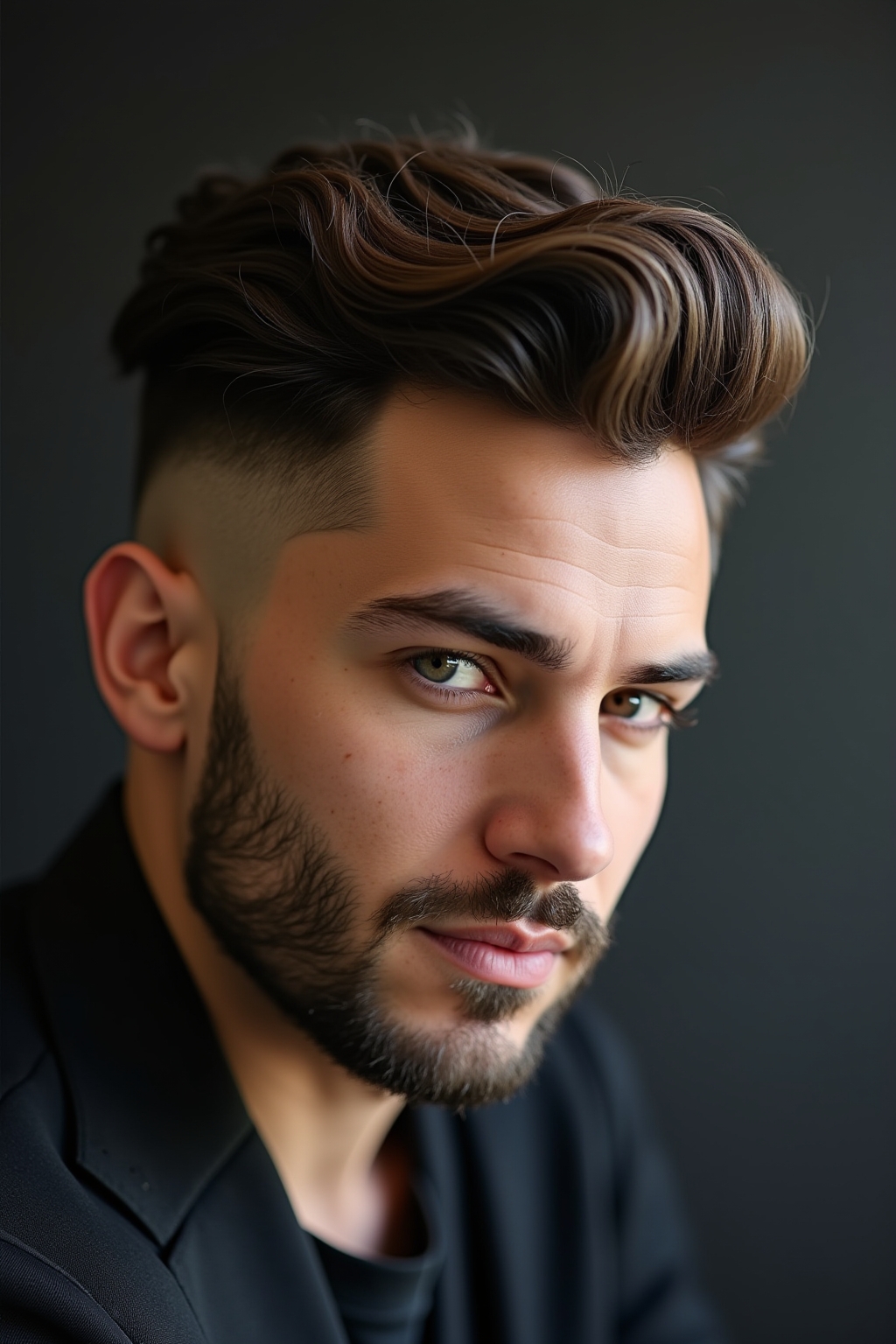
Once you’ve got your mid taper fade cut to perfection, styling it properly will help showcase its versatile appeal. For a polished look, apply a small amount of matte pomade to the longer hair on top and style it according to your preference—whether that’s a sleek side part or a textured, messy finish. Those with curly or wavy hair can enhance their natural texture by using a curl-defining cream that adds definition while controlling frizz. For an effortless everyday style, simply use a blow dryer with a diffuser attachment to add volume at the roots while maintaining the clean, graduated appearance that makes the mid taper fade so distinctive.
- Use matte pomade for structured styles like side parts or quiffs.
- Apply curl-enhancing products if you have natural waves or curls.
- Blow dry with a diffuser to create volume while maintaining the fade’s clean lines.
- Consider your hair texture when choosing styling products for your mid taper fade.
The History and Evolution of the Mid Taper Fade
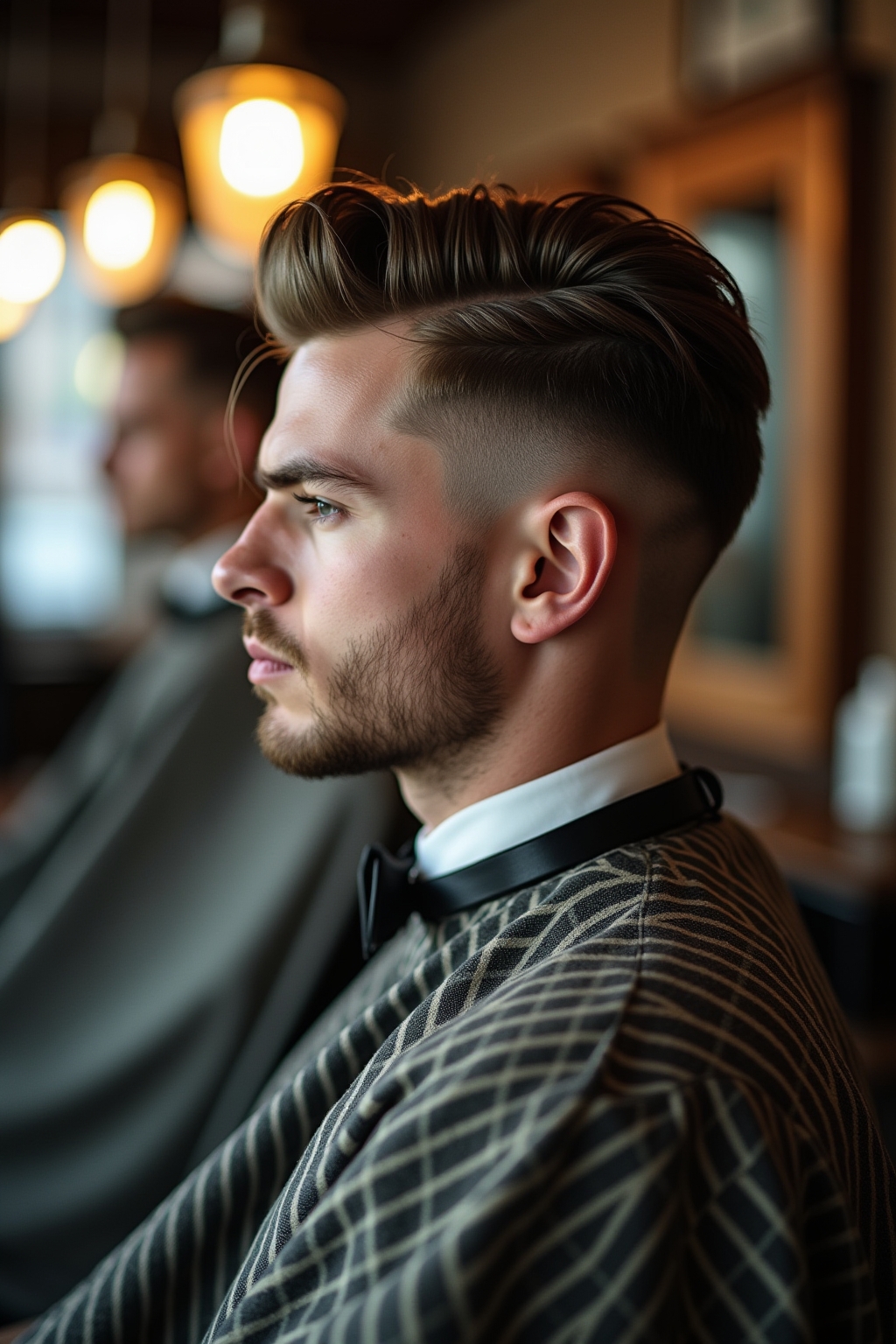
The mid taper fade has roots dating back to the 1940s and 1950s when military men adopted clean-cut hairstyles that were practical and regulation-compliant. In the 1980s and 1990s, this style gained significant popularity in hip-hop culture, where artists and athletes showcased the look, helping it transition from military functionality to a fashion statement. The technique has evolved considerably over the decades, with barbers developing more precise methods and tools specifically designed to create the perfect graduation between different hair lengths. By the early 2000s, the mid taper fade had become a mainstream option offered in virtually every barbershop across the globe, transcending cultural and demographic boundaries. Today’s modern interpretation of the mid taper fade offers countless variations, with customization options that allow for personal expression while maintaining the classic tapered silhouette that has stood the test of time.
The mid taper fade originated in military haircuts from the 1940s before becoming popular in mainstream culture.
Hip-hop culture of the 1980s and 1990s played a crucial role in popularizing the mid taper fade as a fashion statement.
Modern barber techniques and tools have allowed the mid taper fade to evolve into countless customizable variations while maintaining its classic tapered appearance.
Best Face Shapes for Rocking a Mid Taper Fade
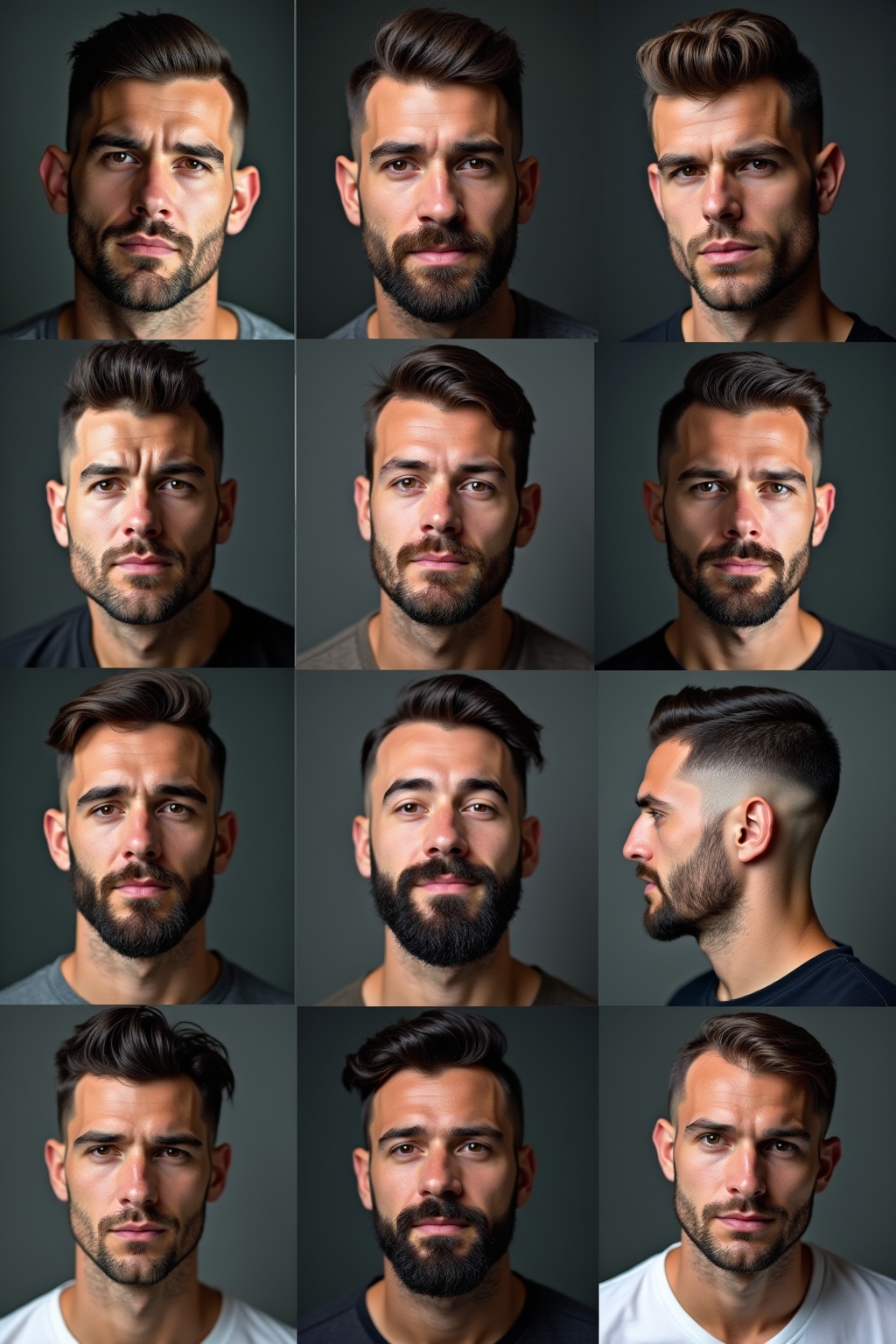
The mid taper fade is particularly flattering for oval and diamond face shapes, as it creates balanced proportions while highlighting your facial features. Men with square or round faces can also benefit from this versatile cut, as it adds height at the crown while tapering the sides, creating a more elongated appearance. For more inspiration on how to style your mid taper fade haircut, consider combining it with textured tops or side parts that complement your specific face structure.
Maintaining Your Mid Taper Fade Between Barber Visits
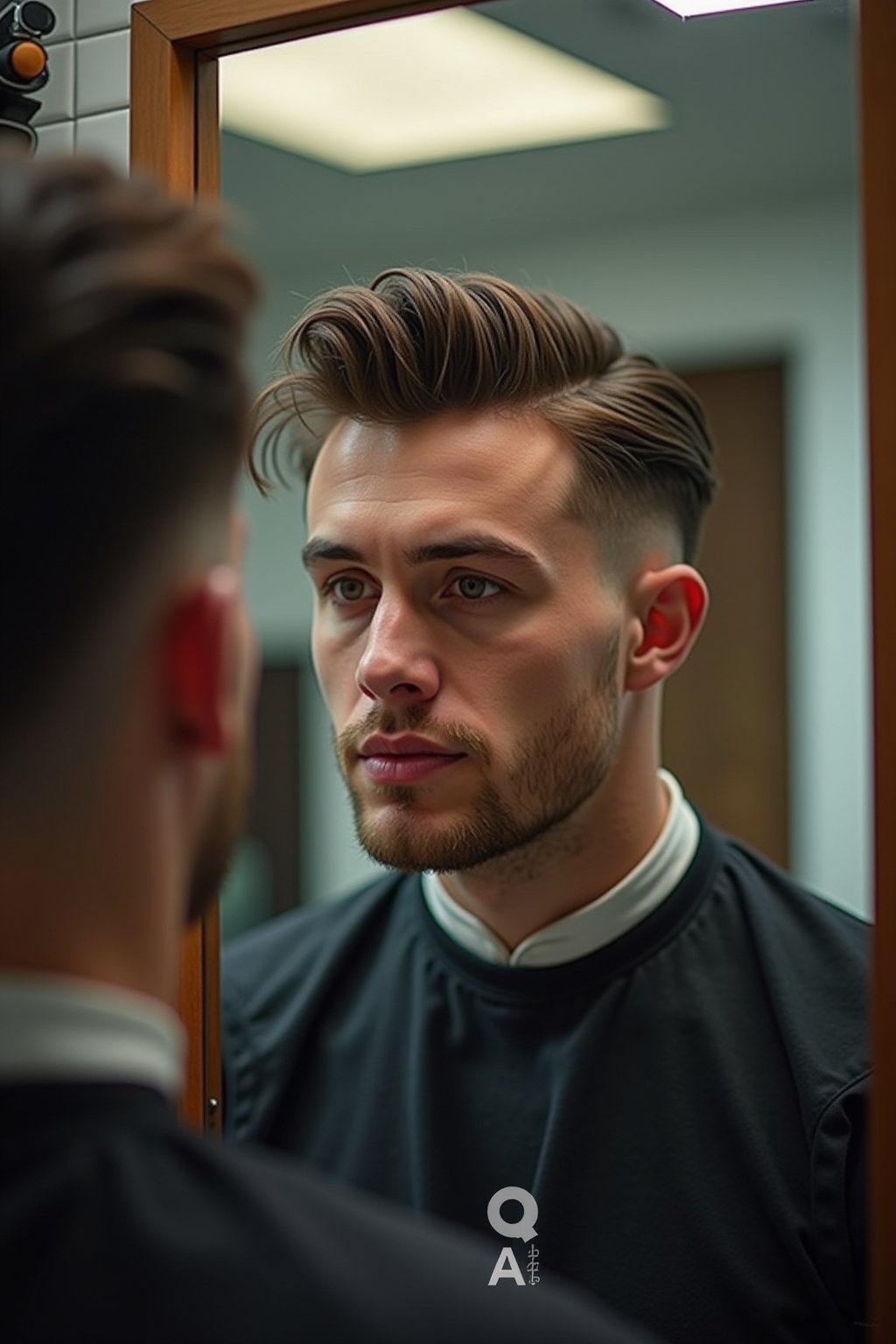
To keep your mid taper fade looking fresh between salon appointments, investing in quality hair tools like trimmers with adjustable guards is essential. Regular maintenance at home, focusing on cleaning up the neckline and around the ears, can extend the life of your cut by up to two weeks. Apply a small amount of styling product daily to maintain the shape and texture of your mid taper fade, especially if you have longer hair on top. Remember that while home touch-ups can help, scheduling barber visits every 2-3 weeks remains the best way to maintain the crisp gradation that defines a perfect mid taper fade.
- Invest in quality trimmers with adjustable guards for home maintenance.
- Focus on cleaning up the neckline and around the ears between appointments.
- Use styling products daily to maintain the shape and texture.
- Schedule regular barber visits every 2-3 weeks for best results.
Celebrity-Inspired Mid Taper Fade Looks to Try

Hollywood A-listers like David Beckham and Drake have made the mid taper fade their signature style, showcasing its versatility across red carpets and social media. Their perfectly executed fades demonstrate how this cut can be adapted to different hair textures and personal styles, whether paired with a textured crop on top or longer, swept-back locks. Celebrity barbers often recommend the mid taper fade because it creates a balanced silhouette that complements most face shapes while maintaining that sharp, camera-ready appearance. Following these celebrity-inspired looks can give you a starting point for your own mid taper fade, which your barber can then customize to suit your unique features and lifestyle.
Häufige Fragen zu Mid Taper Fade
Was genau ist ein Mid Taper Fade Haarschnitt?
Ein Mid Taper Fade ist ein Frisurenstil, bei dem die Haare an den Seiten und im Nacken graduell von kurz nach lang verlaufen. Die Übergänge beginnen etwa auf mittlerer Höhe des Kopfes – daher die Bezeichnung “Mid”. Die Haare werden von unten nach oben kontinuierlich länger, wobei der Übergang (Fade) besonders weich und fließend erscheint. Anders als bei einem Low Fade, der tiefer ansetzt, oder einem High Fade, der höher beginnt, bietet dieser mittlere Schnitttyp eine ausgewogene Balance und lässt sich mit verschiedenen Stilen auf der Kopfoberseite kombinieren. Die Seitenpartien werden meist mit einem Haarschneider auf verschiedenen Längeneinstellungen geschnitten, um den charakteristischen Verlauf zu erzeugen.
Für welche Gesichtsformen eignet sich der Mid Taper Fade besonders gut?
Der Mid Taper Fade ist ein vielseitiger Haarschnitt, der sich für nahezu alle Gesichtsformen eignet, besonders vorteilhaft ist er jedoch für ovale, eckige und herzförmige Gesichtskonturen. Bei runden Gesichtern schafft dieser Schnitt durch die Höhe an der Oberseite eine längliche Illusion, während die definierten Seiten mehr Struktur verleihen. Bei länglichen Gesichtern sollte die Oberseite nicht zu voluminös gestaltet werden. Für rechteckige Gesichter mildert der Mid Fade die Kanten ab und verleiht eine weichere Erscheinung. Diese mittlere Übergangsfrisur bietet einen ausgewogenen Look, der die Gesichtsproportionen harmonischer wirken lässt. Die Anpassungsfähigkeit dieses Haarschnitts ermöglicht individuelle Abstimmungen auf persönliche Merkmale.
Wie unterscheidet sich ein Mid Taper Fade von anderen Fade-Varianten?
Der Mid Taper Fade unterscheidet sich hauptsächlich durch die Positionierung des Übergangs von anderen Fade-Varianten. Während der Low Fade den Übergang tief im Nacken- und Schläfenbereich beginnt, und der High Fade erst kurz unter der Kopfkrone ansetzt, platziert der Mid Fade seinen Übergang genau in der Mitte dieser beiden Extreme – etwa auf Höhe der Schläfen oder der Ohrmitte. Im Vergleich zum Skin Fade, der bis auf die Haut heruntergeschnitten wird, behält der Taper Fade immer eine minimale Haarlänge am unteren Rand bei. Der Bald Fade wiederum entfernt die Haare komplett im unteren Bereich. Der Mid Taper bietet eine ausgewogene Silhouette und weniger extremen Kontrast als High oder Low Varianten, was ihn besonders alltagstauglich und geschäftsfähig macht.
Wie oft sollte man einen Mid Taper Fade nachschneiden lassen?
Für einen gepflegten Mid Taper Fade empfiehlt sich ein Nachschnitt alle 2-3 Wochen. Da dieser Haarschnitt von präzisen Übergängen und klaren Linien lebt, fallen nachwachsende Haare besonders im kurzen Seitenbereich schnell auf. Die Konturen und der graduelle Verlauf verlieren ihre Definition, sobald die Haare wachsen. Wer seinen Schnitt besonders akkurat halten möchte, sollte alle 14 Tage den Friseur aufsuchen. Bei lockerem Styling kann der Intervall auf bis zu 4 Wochen ausgedehnt werden. Manche Barbiere bieten kostengünstige “Touch-up”-Termine an, bei denen nur die Konturen und Übergänge aufgefrischt werden. Die Wartungsintensität ist höher als bei gleichmäßig langen Frisuren, aber geringer als bei extremeren Fade-Varianten wie dem Skin Fade.
Welche Stylingprodukte eignen sich am besten für einen Mid Taper Fade?
Die optimale Produktwahl für einen Mid Taper Fade hängt vom gewünschten Finish und der Haarlänge auf der Oberseite ab. Für natürliche, matte Looks eignen sich Haarpaste, Tonerde oder Texturpuder, die mittleren Halt bieten ohne zu glänzen. Bei klassischen, geschliffenen Stilen funktionieren Pomade oder Gel hervorragend, die mehr Glanz und stärkeren Halt verleihen. Für voluminöse Oberkopf-Styles empfehlen sich Volumenpuder oder leichte Schaumfestiger als Grundlage. Meersalzspray erzeugt bei mittellangen Oberpartien eine lässige Textur. Zur Fixierung längerer Styles bietet Haarspray mit mittlerem Halt die beste Balance. Bei kurzen Oberpartien reicht oft eine kleine Menge Mattierungscreme. Wichtig ist, das Produkt auf trockenem oder leicht feuchtem Haar anzuwenden und sparsam zu dosieren.
Kann ich einen Mid Taper Fade auch mit lockigem Haar tragen?
Absolut, der Mid Taper Fade harmoniert hervorragend mit lockigem Haar und schafft einen attraktiven Kontrast zwischen den kürzeren Seiten und dem voluminöseren Oberkopf. Lockige Haartypen profitieren besonders von diesem Schnitt, da er die natürliche Textur auf der Kopfoberseite betont, während die Seiten durch den Fade kontrolliert und pflegeleicht bleiben. Für die beste Umsetzung sollte der Friseur die Locken trocken schneiden, um die natürliche Sprungkraft zu berücksichtigen. Die Übergangszonen können je nach Lockenstärke angepasst werden – bei sehr kräftigen Locken empfiehlt sich ein weicherer, längerer Übergang. Diese Kombination aus strukturierter Basis und lockerer Textur schafft einen modernen, dynamischen Look, der sowohl lässig als auch gepflegt wirkt. Styling-Produkte wie Lockencreme oder leichtes Curl-Defining-Gel unterstreichen den natürlichen Lockenschwung.