8 Lower Taper Fade Styles to Rock in 2024
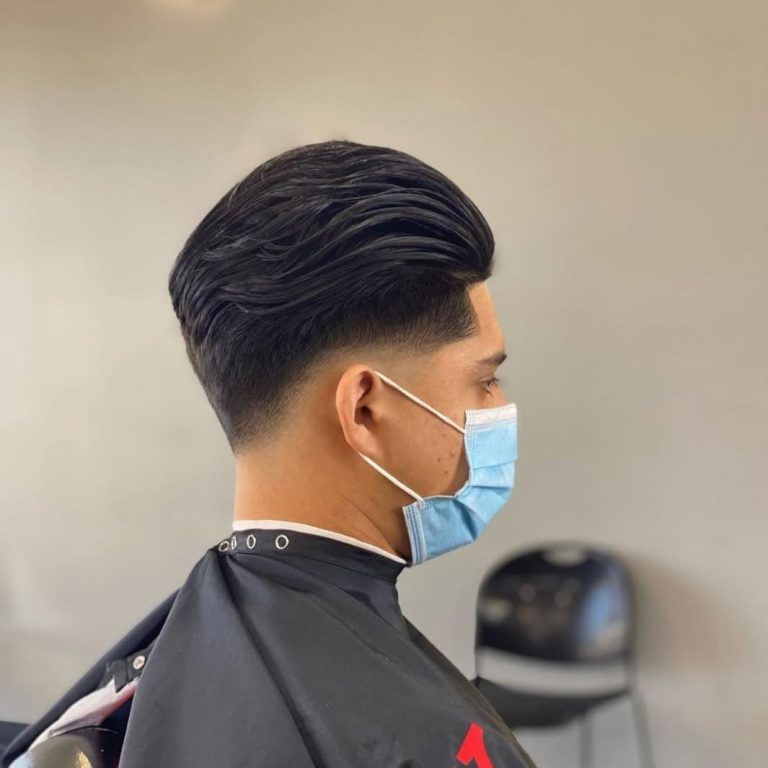
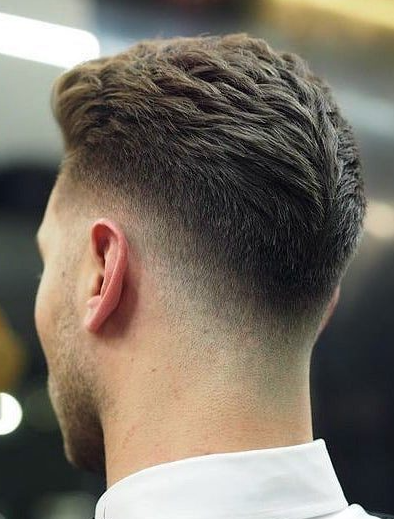
The lower taper fade has cemented its place as one of the most versatile and stylish haircut options for men seeking a clean, modern look. As we move through 2024, this classic style continues to evolve with fresh interpretations that combine the timeless appeal of a gradual fade with contemporary styling elements. The beauty of a lower taper fade lies in its subtlety—starting low near the ears and neckline while maintaining length on top for countless styling possibilities.
Whether you’re looking to refresh your current style or planning a complete transformation, the right lower taper fade can enhance your facial features while offering a low-maintenance grooming routine. From textured crops paired with clean fades to curly tops with seamless graduation, 2024’s trending styles emphasize personalization and precision. These eight standout lower taper fade variations we’re about to explore represent the perfect blend of classic barbering techniques and forward-thinking style sensibilities.
✂️ Lower taper fades start the graduation effect closer to the ears and neckline, making them more subtle than mid or high fades.
👨💼 Perfect for professional environments while still offering modern style, lower taper fades suit most face shapes and hair types.
🔄 Maintenance typically requires touch-ups every 3-4 weeks to maintain the clean graduation effect.
The Complete Guide to Lower Taper Fade Haircuts for Modern Men
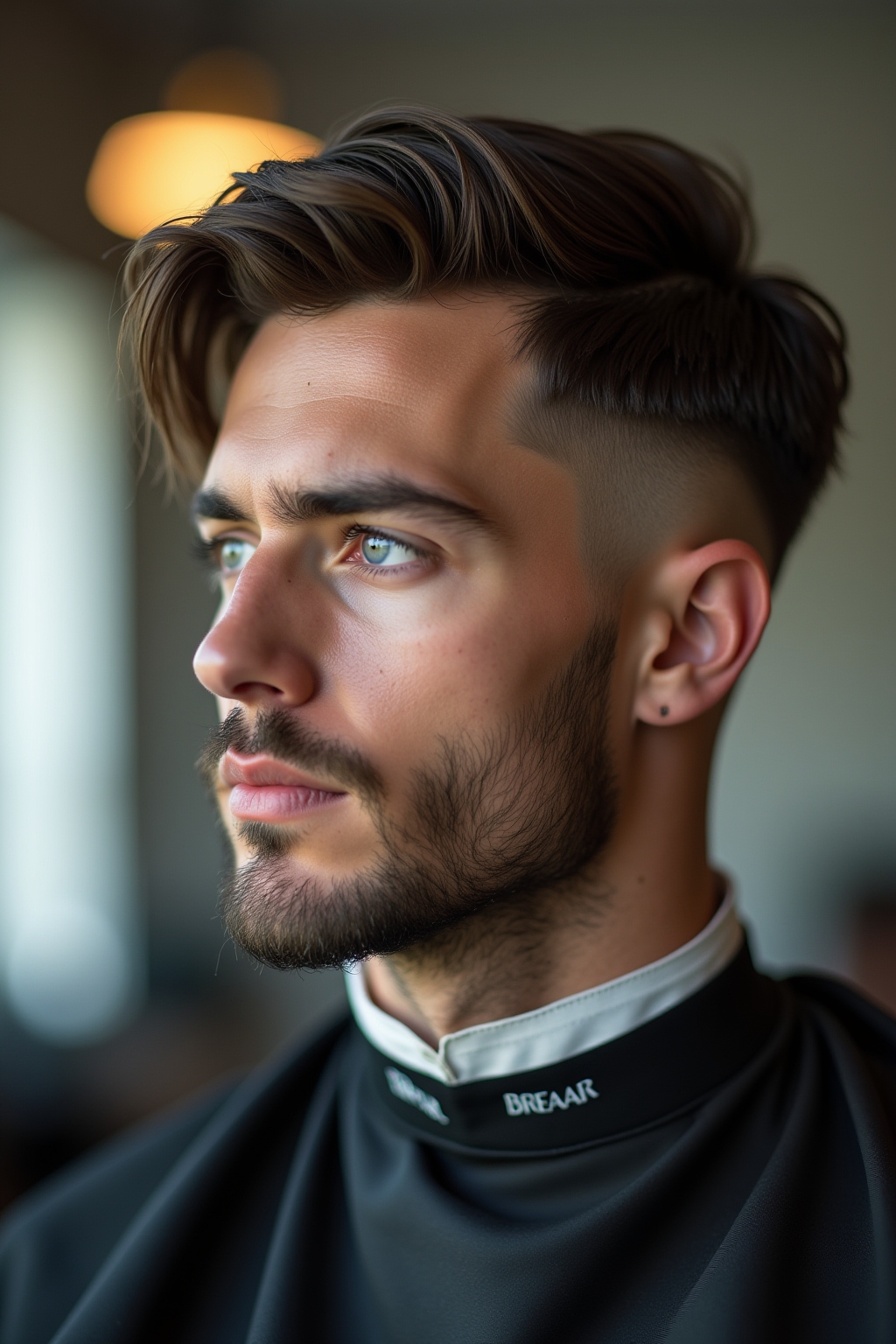
A comprehensive guide to lower taper fade haircuts offers everything modern men need to achieve this increasingly popular style. The lower taper fade creates a subtle graduation that starts just above the ears, providing a clean yet versatile look that works with various hair lengths and textures. Unlike its more dramatic counterpart, the high taper fade, this lower variation maintains more volume on the sides while still delivering that sharp, defined appearance men seek. With proper styling and maintenance, this sophisticated cut can elevate any man’s appearance while offering the perfect balance between professional polish and contemporary edge.
How to Ask Your Barber for the Perfect Lower Taper Fade
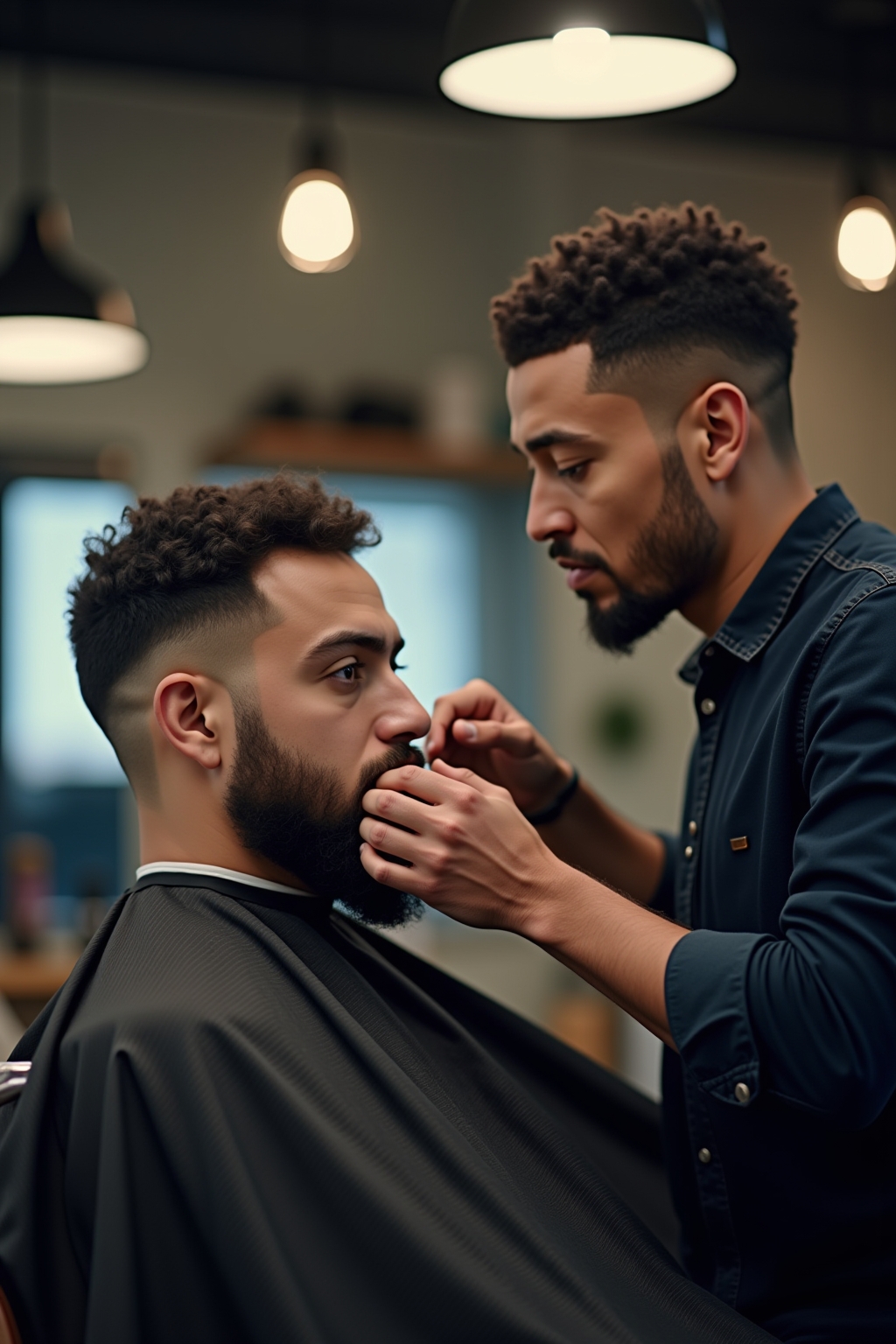
When visiting your barber for a lower taper fade, clear communication is essential to get exactly what you want. Start by showing reference photos on your phone, as visual examples eliminate confusion and give your barber a precise image to work with. Clearly specify how low you want the fade to begin—whether at the bottom of your ears or just above your neckline—as this is what defines a true lower taper fade. Discuss your preferred graduation style, whether you want a subtle, gradual blend or a more dramatic contrast between the top and sides. Don’t forget to mention how you plan to style your hair on top, as this affects how your lower taper fade will complement your overall look. Finally, ask your barber for maintenance tips so you can keep your fade looking sharp between appointments.
Key Tip: Always bring reference photos to show exactly what type of lower taper fade you want.
Fade Placement: Specify that you want the fade to start low, typically around the bottom of your ears or just above your neckline.
Maintenance: A lower taper fade typically needs a touch-up every 2-3 weeks to maintain its clean appearance.
5 Stylish Ways to Wear a Lower Taper Fade in 2023

In 2023, the lower taper fade continues to dominate men’s hairstyling with its versatile appeal and clean aesthetic. For a contemporary twist, pair your lower taper fade with textured volume on top, creating a balanced contrast that’s both professional and fashion-forward. Another stylish approach is combining this subtle fade with a well-groomed beard, which creates a seamless transition from hair to facial hair for a cohesive look. If you’re looking for something more distinctive, consider exploring mid taper fade styles as well, which offer a slightly higher gradient while maintaining that sophisticated edge. For those special occasions, add personality to your lower taper fade by incorporating subtle hair designs or a precisely defined part line, elevating this classic cut to statement-making territory.
Lower Taper Fade vs. Low Fade: Understanding the Key Differences
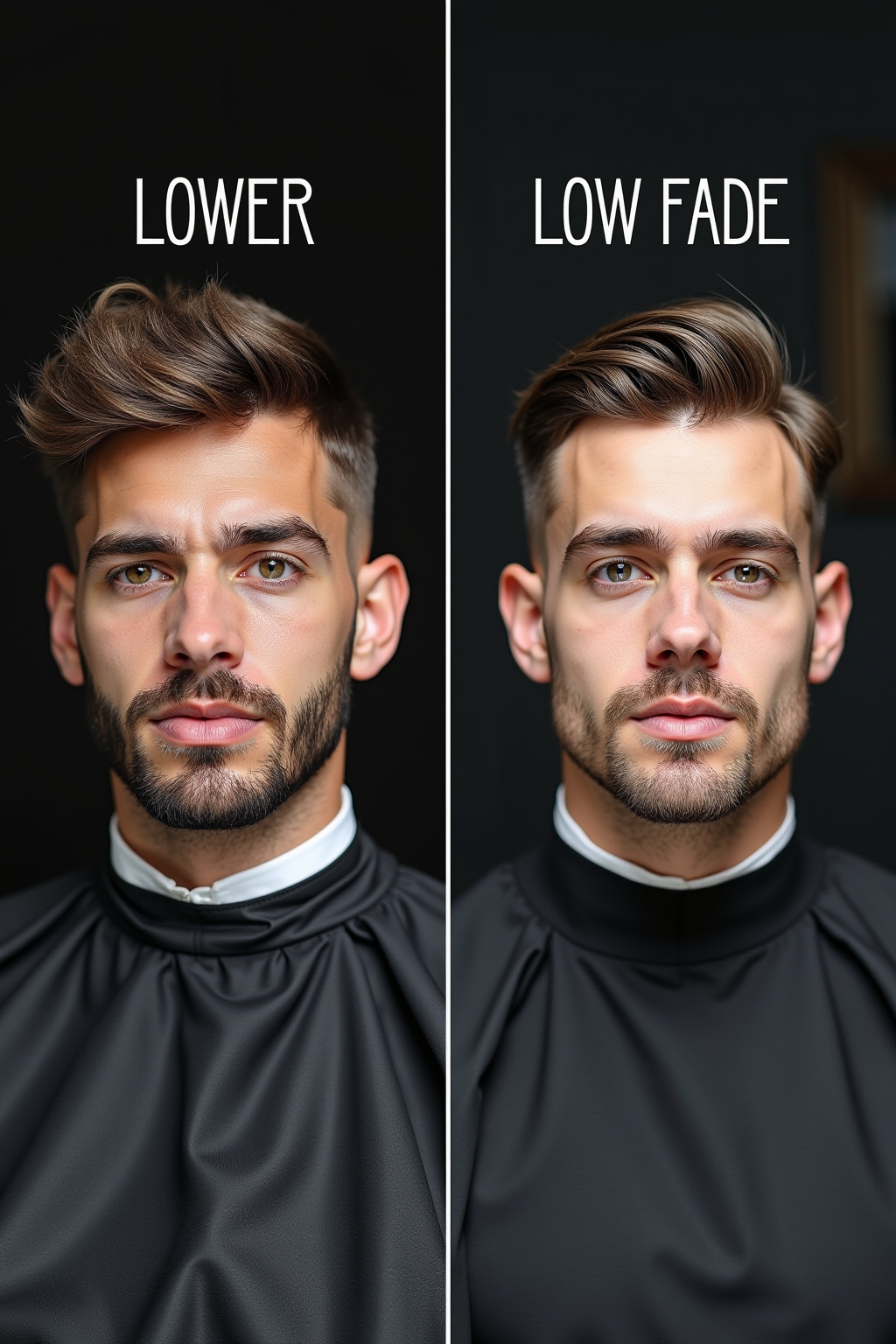
When comparing a lower taper fade to a low fade, it’s important to understand that the primary difference lies in the gradual transition of the hair. A lower taper fade starts very low near the ears and neckline, creating a subtle graduation that blends smoothly into longer hair above. The low fade, while also beginning near the bottom, typically has a more dramatic contrast and less gradual transition between the shortest and longest lengths. Understanding these distinctions will help you communicate more effectively with your barber when requesting the perfect lower taper fade for your specific style preferences.
- Lower taper fade starts extremely low on the head, just above the ears and neckline.
- The transition in a lower taper fade is more gradual and subtle than in a standard low fade.
- Low fades generally create more contrast between the shortest and longest sections of hair.
- Lower taper fades provide a refined, sophisticated look that’s less dramatic than traditional fades.
Maintaining Your Lower Taper Fade Between Barbershop Visits
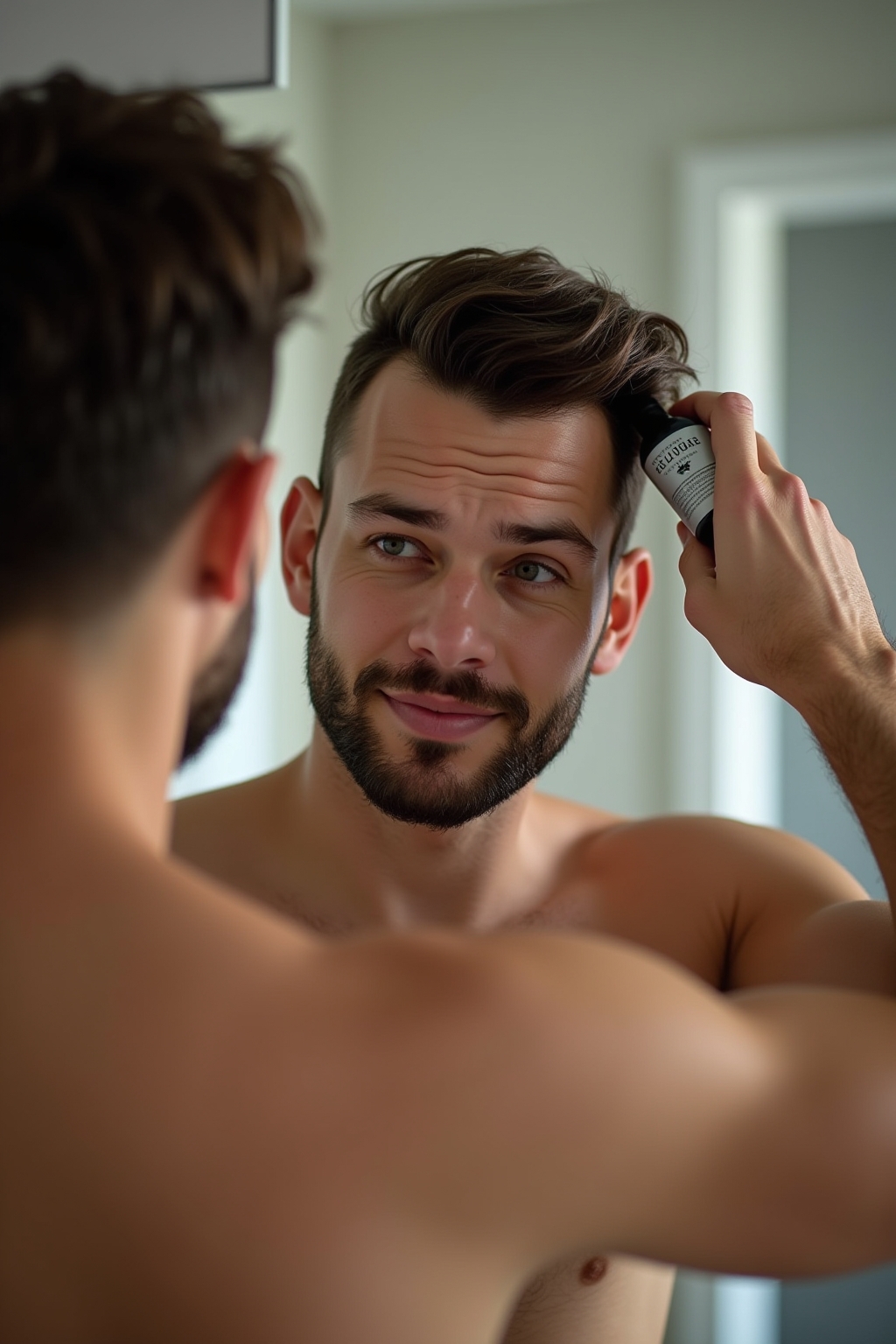
To keep your lower taper fade looking fresh between professional cuts, invest in quality hair clippers with proper guard attachments for touch-ups around the neckline and ears. Regular maintenance with a trimmer every 1-2 weeks can help preserve the clean lines and prevent your fade from growing out too quickly. When touching up at home, always start with a longer guard than you think you need, as you can always go shorter but can’t undo a cut that’s too close. Use a handheld mirror in combination with your bathroom mirror to check the back of your head and ensure you’re maintaining an even gradient throughout your lower taper fade. Remember that the goal of at-home maintenance isn’t to completely recreate your barber’s work, but rather to extend the life of your cut until your next appointment.
Touch up your lower taper fade every 1-2 weeks with quality clippers to maintain the clean look between barber visits.
Always start with a longer guard attachment when trimming at home and gradually go shorter if needed.
Use multiple mirrors to check all angles when maintaining your fade, focusing primarily on the neckline and around the ears.
Celebrity-Inspired Lower Taper Fade Styles to Try Now

Hollywood’s elite have embraced the lower taper fade as their go-to style, with stars like Drake and Michael B. Jordan showcasing how this versatile cut can be adapted to different hair textures and personal styles. The subtle graduation of a celebrity-inspired lower taper fade creates a refined silhouette that frames the face perfectly while maintaining enough length on top for creative styling options. For those seeking more dramatic inspiration, checking out these high taper fade haircuts can provide additional ideas to discuss with your barber before committing to your own red-carpet-worthy lower taper fade.
The Best Hair Products for Styling Your Lower Taper Fade
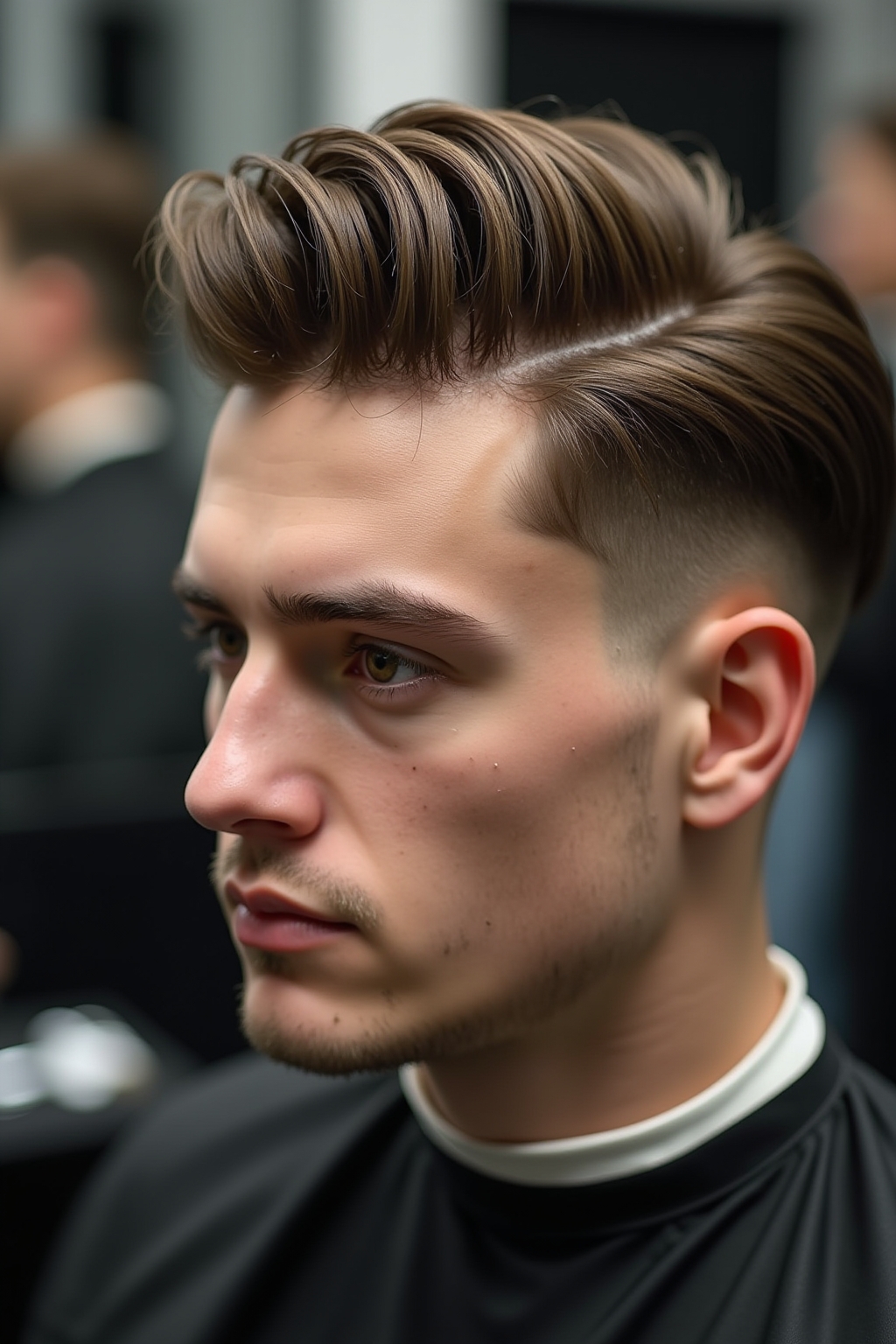
Choosing the right hair products is crucial for maintaining and styling your lower taper fade to perfection. For maximum hold and definition, consider using a high-quality pomade or matte clay that will enhance the contrast between the faded sides and your longer top hair. Water-based products are ideal as they provide excellent hold without making your hair stiff or leaving residue that’s difficult to wash out. Remember that a little product goes a long way, so start with a small amount and build up gradually to achieve your desired look.
- Pomades offer shine and medium-to-strong hold perfect for lower taper fades.
- Matte clays provide texture and definition without excessive shine.
- Water-based products wash out easily while still providing excellent hold.
- Use a small amount of product first, then add more if needed.
Lower Taper Fade Variations for Different Face Shapes and Hair Types
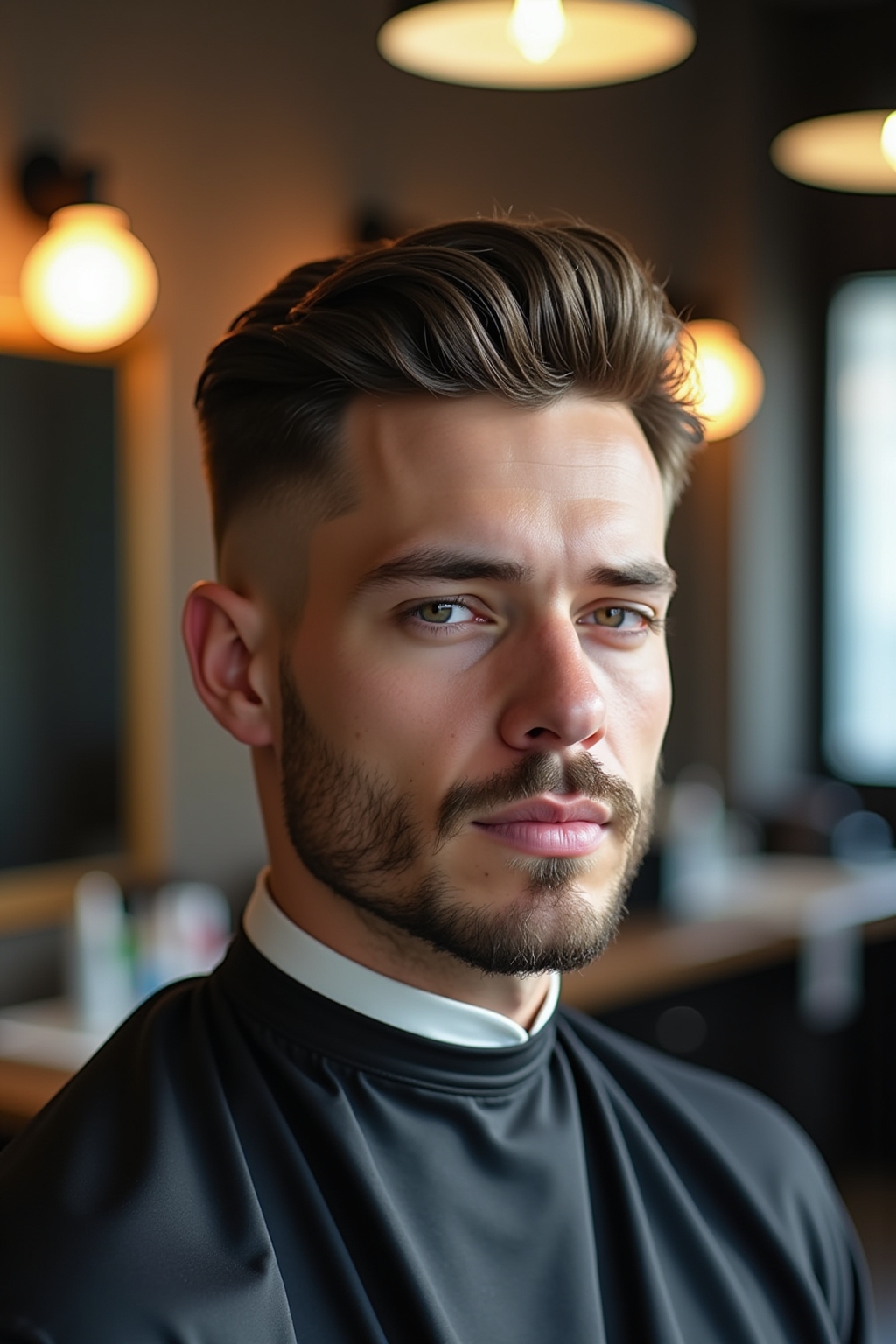
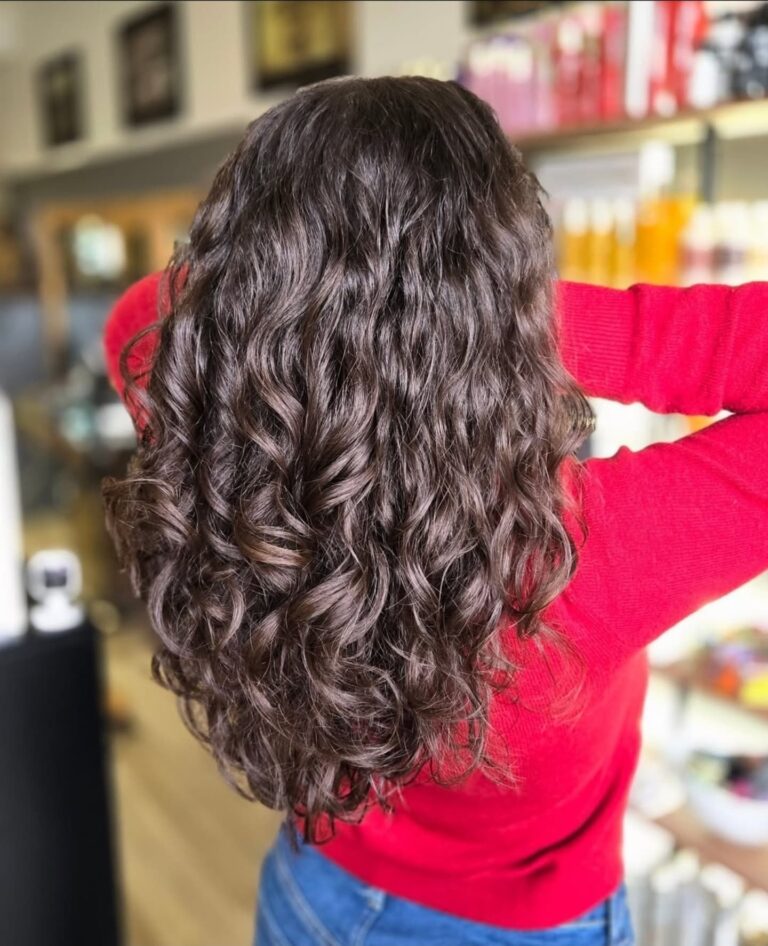
A lower taper fade can be customized to complement various face shapes, with oval faces benefiting from a gradual transition while square faces look more balanced with a slightly longer top. For men with curly or textured hair, the lower taper fade creates an excellent contrast between the tight sides and the natural volume on top. Those with straight hair can achieve a clean, sophisticated look by keeping the fade subtle and maintaining more length through the sides. Regardless of hair type, the versatility of the lower taper fade makes it an excellent choice that can be adjusted by any skilled barber to enhance your specific features.
Häufige Fragen zum Lower Taper Fade
Was genau ist ein Lower Taper Fade Haarschnitt?
Der Lower Taper Fade ist ein moderner Herrenhaarschnitt, bei dem die Haare am unteren Teil des Kopfes – im Nacken und um die Ohren herum – besonders kurz geschnitten und nach oben hin stufenweise länger werden. Im Gegensatz zu anderen Fade-Varianten beginnt der Übergang erst im unteren Bereich des Kopfes, was einen subtileren Look erzeugt. Diese Haarschnitt-Technik bietet einen eleganten Kontrast zwischen der kurzen Partie unten und dem volleren Haupthaar oben. Der tiefsitzende Übergang macht diesen Schnitt besonders alltagstauglich und businesstauglich, da er weniger auffällig als ein High Fade ist, aber dennoch eine klare, strukturierte Silhouette schafft.
Welche Gesichtsformen passen am besten zum Lower Taper Fade?
Der Lower Taper Fade harmoniert besonders gut mit ovalen, eckigen und herzförmigen Gesichtsformen. Bei runden Gesichtern kann dieser Haarschnitt helfen, das Gesicht optisch zu verlängern, da der tiefe Übergang die vertikale Linie betont. Für längliche Gesichter eignet sich die Kombination mit mehr Volumen an den Seiten, um die Proportionen auszugleichen. Bei eckigen Gesichtern mit markanten Kieferpartien unterstreicht der sanfte Übergang die maskulinen Gesichtszüge. Der Vorteil des tiefen Verlaufs ist seine Vielseitigkeit – mit der richtigen Anpassung durch den Friseur oder Barbier lässt sich dieser Schnitt für nahezu jede Gesichtsform optimieren, indem die Übergangshöhe und der Kontrast individuell abgestimmt werden.
Wie unterscheidet sich ein Lower Taper Fade von anderen Fade-Arten?
Der Lower Taper Fade hebt sich deutlich von anderen Fade-Varianten durch seine Positionierung ab. Während ein High Fade bereits auf Höhe der Schläfen beginnt und ein Mid Fade etwa auf Augenhöhe ansetzt, startet der Lower Taper Fade erst im unteren Kopfbereich, knapp über den Ohren oder tiefer. Dies erzeugt einen dezenten, weniger dramatischen Übergang als seine höheren Pendants. Im Gegensatz zum klassischen Taper, der oft einen gleichmäßigeren Übergang ohne komplettes Ausrasieren bietet, zeigt der Lower Taper Fade einen stärkeren Kontrast. Der Skin Fade, als Unterart des Fade-Haarschnitts, kann ebenfalls als Lower Version ausgeführt werden – dann wird die Haut im untersten Bereich komplett sichtbar. Charakteristisch für alle Taper Fades ist der graduelle Längenverlauf, während der Low Fade sich durch seine zurückhaltende Platzierung auszeichnet.
Wie oft muss man einen Lower Taper Fade nachschneiden lassen?
Für einen gepflegten Lower Taper Fade empfiehlt sich ein Nachschnitt alle 2-3 Wochen. Da bei diesem Haarschnitt der Kontrast zwischen kurzen und längeren Partien das zentrale Stilelement darstellt, verwächst er relativ schnell. Besonders die präzisen Übergänge am unteren Kopfbereich verlieren ihre Schärfe, wenn die Haare nachwachsen. Bei einem sehr kurzen oder Skin Fade an den Seiten kann bereits nach 10-14 Tagen eine Auffrischung nötig sein, um die klare Kontur zu erhalten. Wer einen weicheren Look bevorzugt, kann auch 4 Wochen warten. Die Nachschnittfrequenz hängt zudem vom individuellen Haarwuchs ab – bei schnell wachsendem Haar verkürzt sich das Intervall entsprechend. Viele Barbershops bieten spezielle Konturen-Services an, die kürzer und preiswerter als ein kompletter Schnitt sind.
Welche Styling-Produkte eignen sich am besten für einen Lower Taper Fade?
Für einen Lower Taper Fade sind die Styling-Produkte abhängig von der Länge und Textur des Oberhaars zu wählen. Bei kürzeren Styles funktionieren matte Pasten und Clays hervorragend, da sie natürliches Aussehen mit mittlerem Halt kombinieren. Für mehr Textur und Definition eignet sich Haarwachs oder Tonerde, die besonders bei feinem Haar Volumen schaffen. Wenn das Oberhaar länger ist und in klassischen Looks wie Pompadour oder Quiff gestylt werden soll, bieten Pomade oder Styling-Creme besseren Halt und kontrollierten Glanz. Für einen natürlichen, unaufgeregten Look reicht oft auch eine leichte Texturspray oder ein salziges Meersalzspray. Haargel sollte sparsam verwendet werden, da es zu hart wirken kann – besser sind moderne Fiber-Produkte, die Flexibilität mit Struktur verbinden und dem Haarschnitt Tiefe verleihen.
Kann ich einen Lower Taper Fade mit Bart kombinieren?
Die Kombination aus Lower Taper Fade und Bart ist eine besonders harmonische Styling-Option. Der tiefe Übergang des Haarschnitts bietet die ideale Grundlage für eine nahtlose Verbindung zur Bartlinie. Ein entscheidender Vorteil: Der Barbier kann einen fließenden Übergang zwischen Koteletten und Bartansatz schaffen, was bei höheren Fade-Varianten schwieriger ist. Besonders gut funktionieren Vollbärte mit definierten Konturen, da sie den strukturierten Look des Haarschnitts ergänzen. Auch kürzere Bartformen wie der kurze Boxerbart oder ein präziser Dreitagebart harmonieren hervorragend mit dem Low Fade. Entscheidend für eine stimmige Gesamterscheinung ist die konsistente Pflege beider Elemente. Viele Bartträger schätzen den Lower Taper Fade, weil er weniger Pflege als höhere Fades benötigt und dennoch eine klare Trennung zwischen Kopf- und Gesichtsbehaarung ermöglicht.