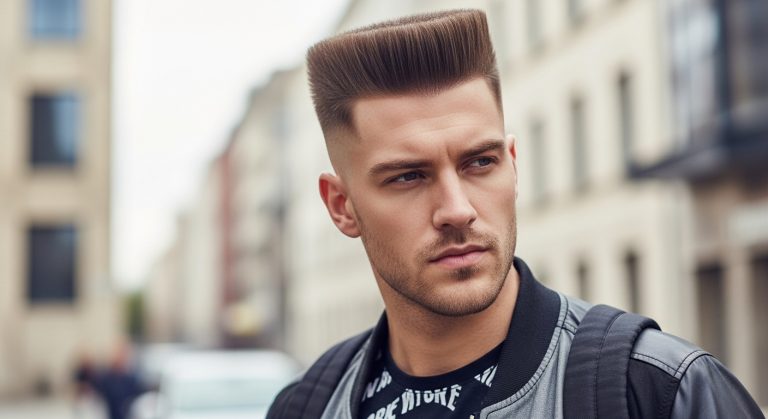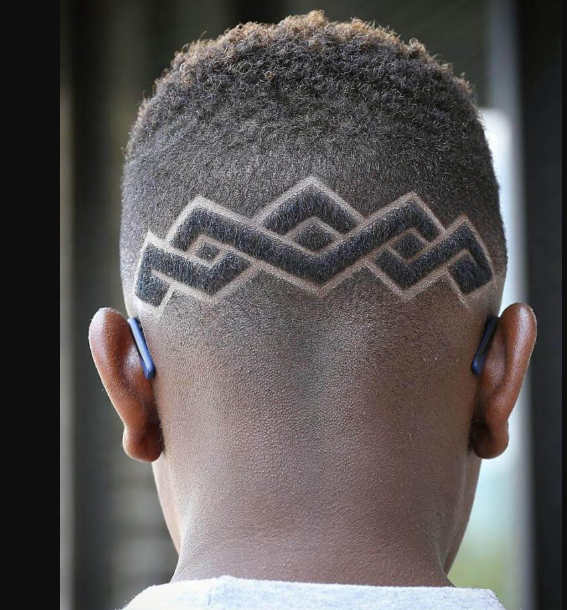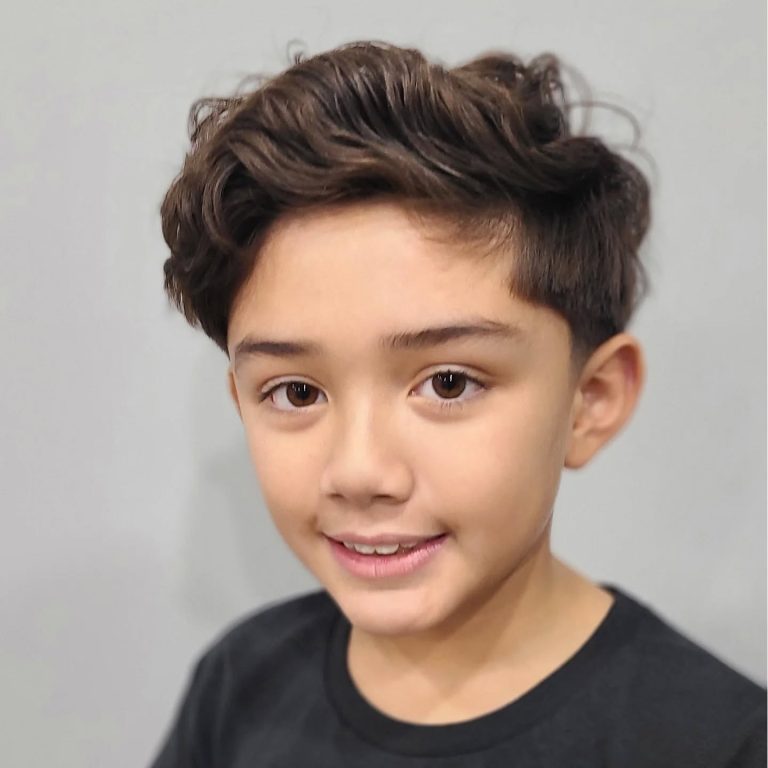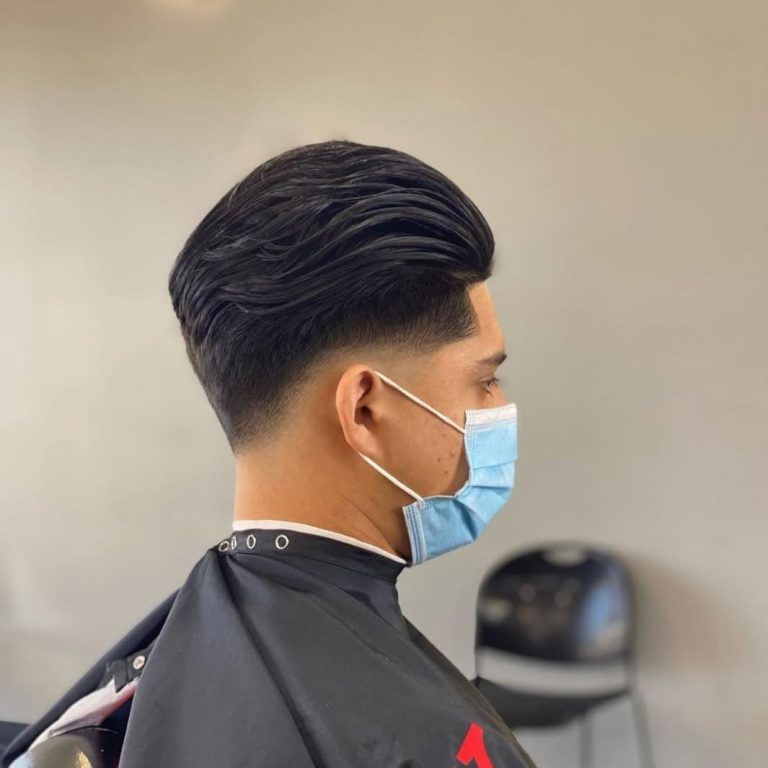
8 Taper Fade Bajo Styles You Should Try
The taper fade bajo has emerged as one of the most versatile and stylish haircut options for men seeking a clean, modern look with a touch of Latino flair. This distinctive style, characterized by a gradual fade that transitions from shorter sides to a longer top, offers a perfect balance between professional polish and street-ready edge. Whether you’re looking to make a bold statement or prefer a more subtle enhancement to your appearance, the taper fade bajo provides endless possibilities for customization.
In recent years, barbers have developed numerous variations of the taper fade bajo, each with its own unique characteristics and styling requirements. From the classic low taper fade that maintains length while offering a subtle transition, to more dramatic high taper fades that create striking contrast, there’s a style to complement every face shape, hair texture, and personal preference. The following eight styles represent the best of what this popular cut has to offer, combining traditional techniques with contemporary trends for looks that are both timeless and fashion-forward.
What is a Taper Fade Bajo: A haircut style combining traditional Latino barbering with modern fade techniques, featuring gradual tapering from the sides to a longer top.
Maintenance Level: Medium – requires touch-ups every 2-3 weeks to maintain the clean fade effect.
Best For: Men with straight to wavy hair textures looking for a versatile, clean-cut style that works in both professional and casual settings.
The Ultimate Guide to Taper Fade Bajo: A Modern Classic Haircut
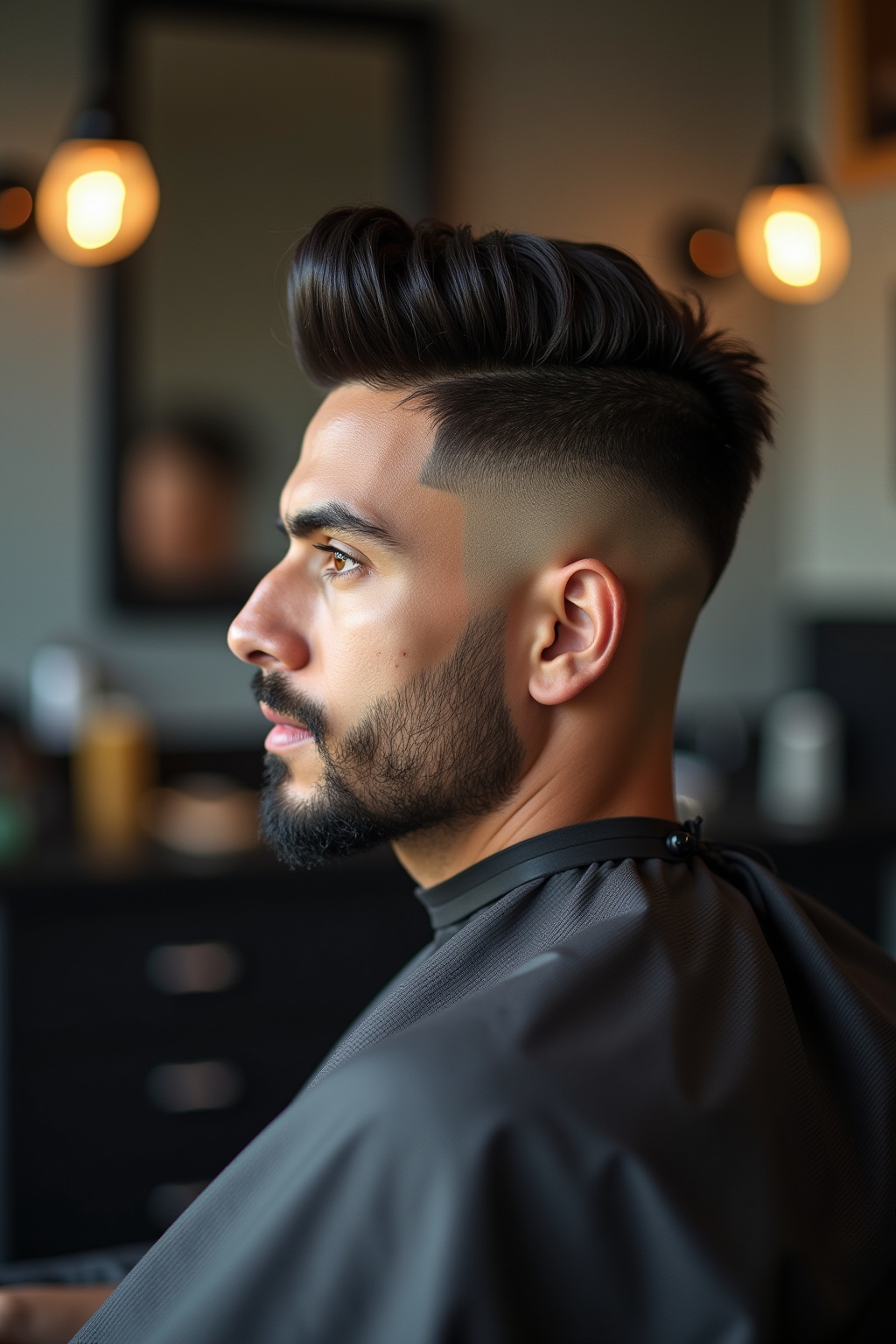
The taper fade bajo represents the perfect blend of classic barbering techniques and contemporary style sensibilities. This versatile haircut gradually transitions from longer hair on top to closely cropped sides, with the signature bajo (low) fade creating a subtle yet distinct gradient effect that complements virtually any face shape. Much like its cousin the taper fade mullet, this style offers endless customization options while maintaining a clean, professional appearance that works in both casual and formal settings. The taper fade bajo has earned its reputation as a modern classic by striking the ideal balance between precision and personality, making it a go-to choice for men seeking a refined yet effortlessly cool look.
History of the Taper Fade Bajo and Its Cultural Significance
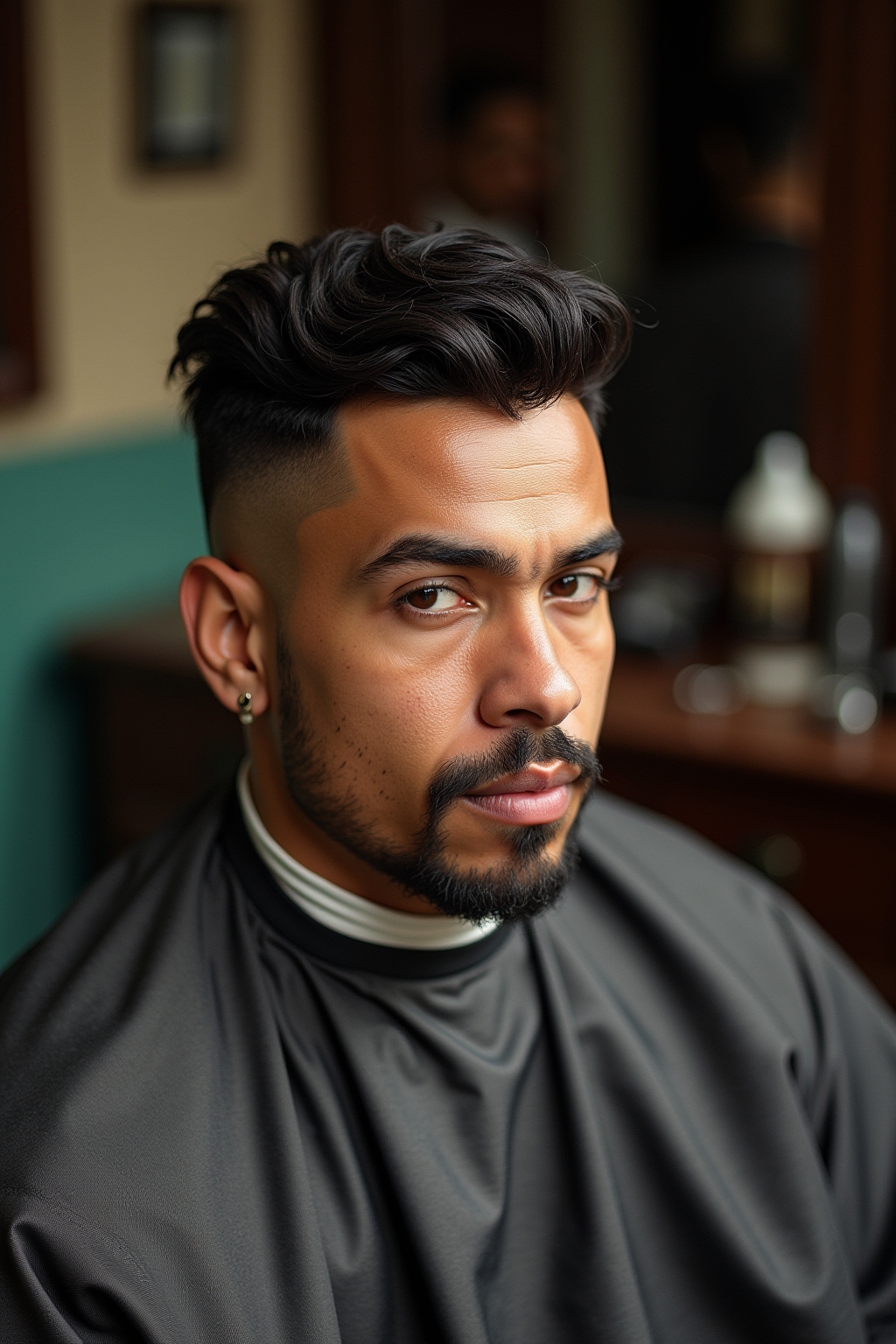
The taper fade bajo emerged in Latin American barbershop culture during the 1980s, evolving from traditional haircuts into a distinctive style that blends precision tapering with the lower profile characteristic of “bajo” (meaning “low” in Spanish). Throughout the 1990s, it gained significant popularity in urban centers as influential musicians and athletes began sporting this refined look, transforming it from a practical haircut into a symbol of cultural identity. The style crossed cultural boundaries in the early 2000s, particularly resonating within Latino and African American communities where skilled barbers developed their unique interpretations and techniques. Social media platforms later catapulted the taper fade bajo to international recognition around 2010, with tutorial videos and celebrity styles generating millions of views and establishing it as a mainstream fashion statement. Today, the taper fade bajo represents more than just a haircut—it embodies cultural pride, artistic expression, and the rich heritage of traditional barbering craftsmanship that continues to influence modern grooming trends worldwide.
The taper fade bajo originated in Latin American barbershop culture in the 1980s, combining precise tapering with a distinctively low profile.
By the early 2000s, the style had become a significant cultural symbol within Latino and African American communities, with barbers developing signature techniques.
Social media exposure around 2010 transformed the taper fade bajo from a cultural haircut into a global fashion trend embraced across diverse communities.
5 Essential Tools You Need for a Perfect Taper Fade Bajo
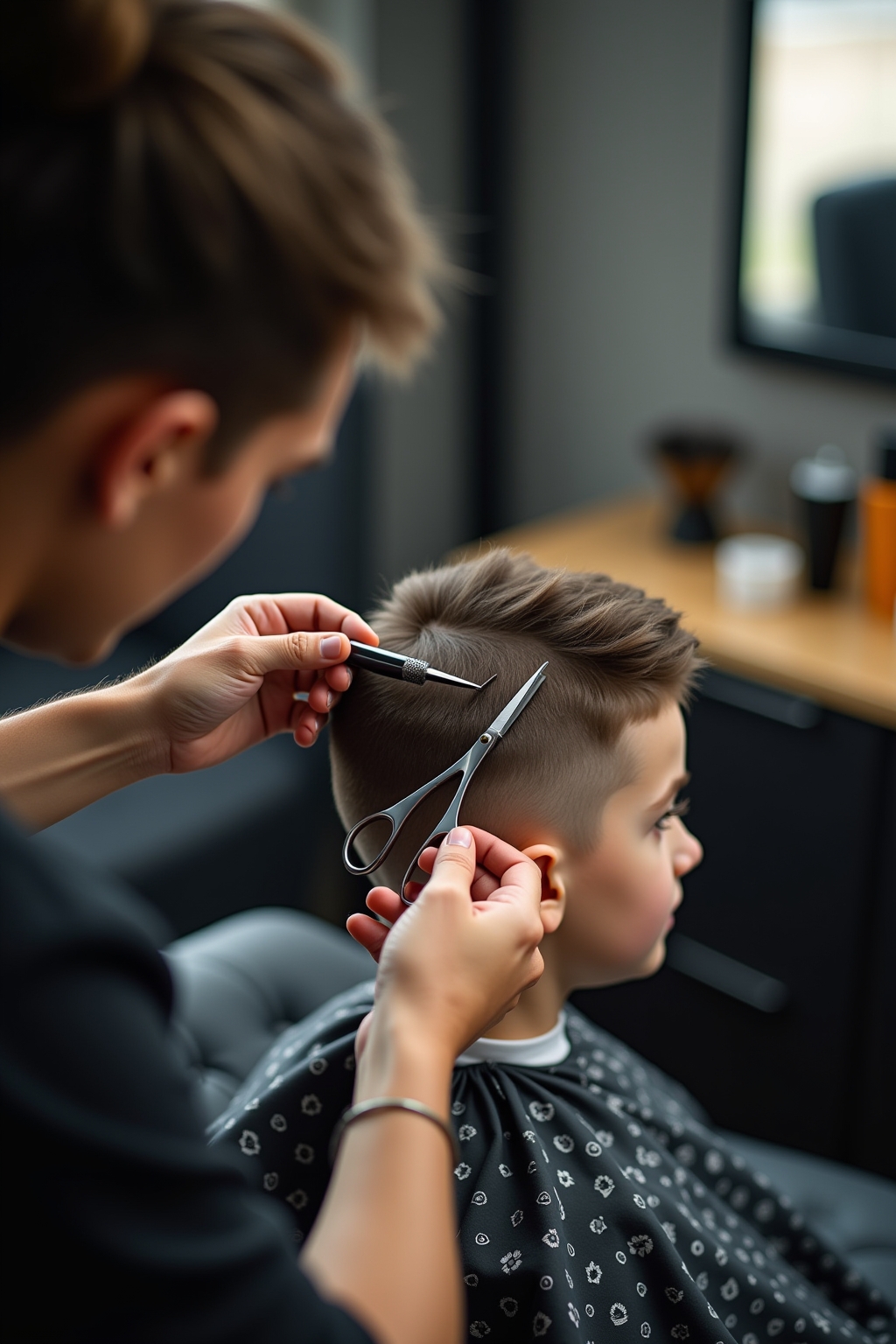
To achieve the perfect taper fade bajo, you’ll need a professional set of tools that enable precise cutting and seamless blending. A high-quality clipper with multiple guard sizes is essential for creating the gradual transition from shorter to longer hair that defines this popular low taper fade style. Sharp trimming scissors are necessary for detailing the top section, while a straight razor helps achieve that super clean finish around the edges. Finally, a good spray bottle and styling products complete your toolkit, allowing you to maintain moisture during the cut and style the finished look with confidence.
Step-by-Step Tutorial: How to Cut a Taper Fade Bajo at Home
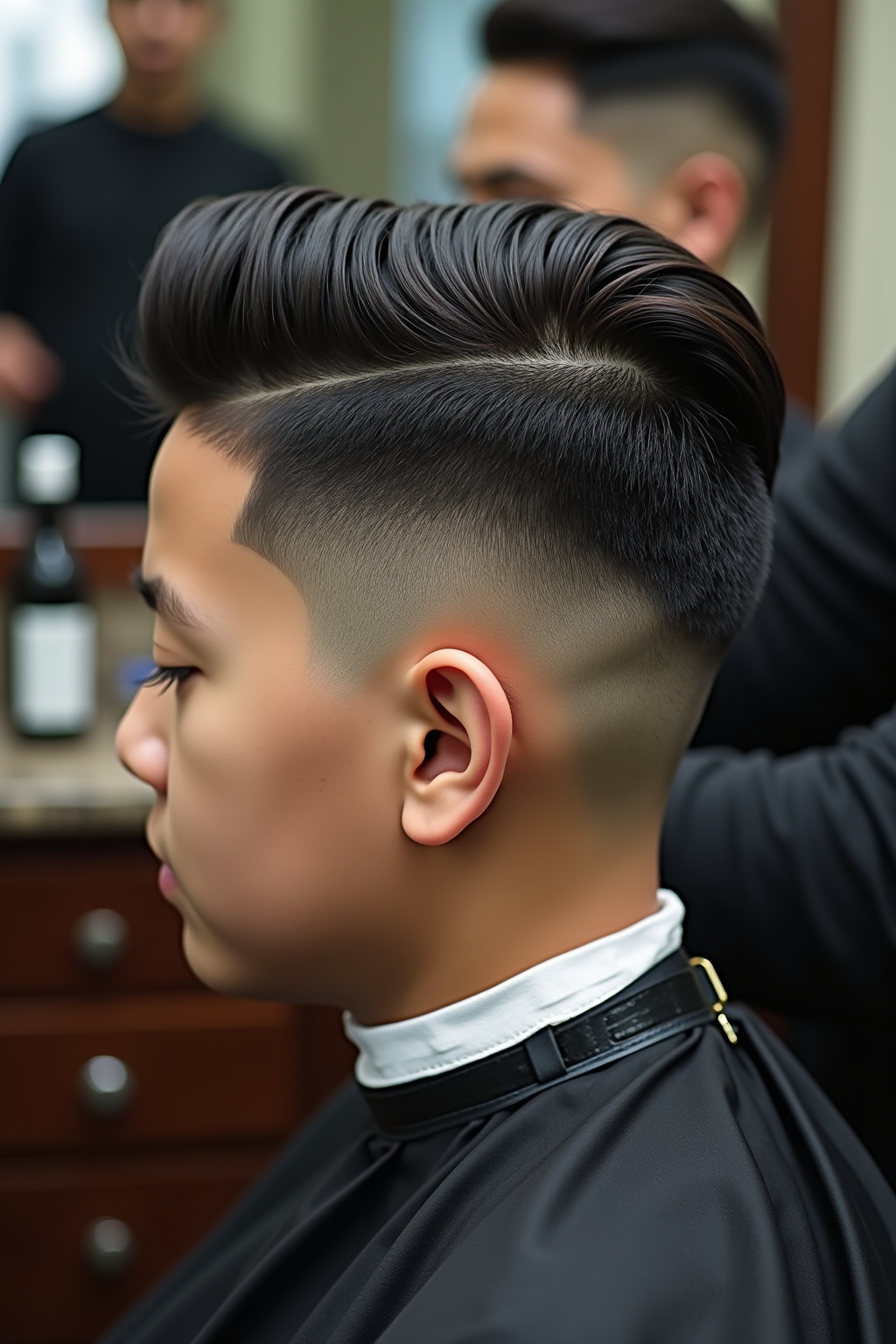
To achieve a professional-looking taper fade bajo at home, start by gathering all necessary tools including quality clippers with multiple guard sizes, a handheld mirror, and sharp scissors. Begin the cut by creating your guideline around the head at the desired length, typically using a #1 or #2 guard for the bajo style which sits lower on the neck than standard fades. Gradually transition upward using progressively longer guard sizes, ensuring you blend each section seamlessly into the next by using a flicking motion with your wrist when approaching transition areas. Finally, use scissors to trim and texturize the top, maintaining more length there to create the characteristic contrast that makes the taper fade bajo such a popular and versatile haircut.
- Gather quality clippers with multiple guards, mirrors, and sharp scissors before starting.
- Create your baseline with a #1 or #2 guard positioned lower on the neck for the bajo style.
- Work upward with progressively longer guards, using a flicking motion to blend transitions.
- Leave more length on top and texturize with scissors for the distinctive bajo contrast effect.
Styling Your Taper Fade Bajo: Products and Techniques
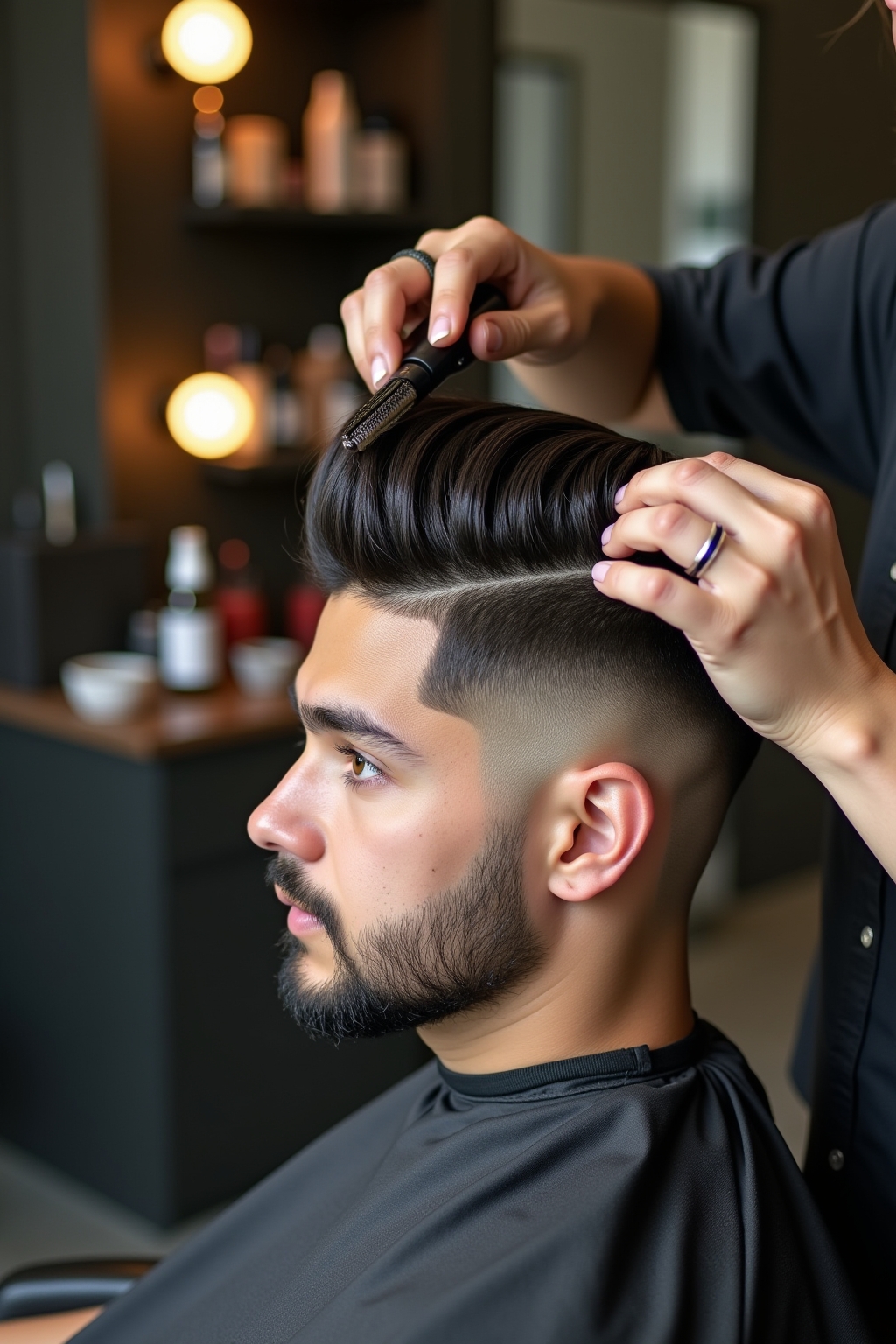
To maintain your taper fade bajo looking sharp between barber visits, selecting the right styling products is essential. A lightweight pomade or matte clay provides excellent texture while maintaining the clean appearance that makes this cut so popular. For those with thicker or more textured hair, a small amount of hair wax applied to the longer top section can help achieve more defined styling without weighing it down. When styling your fade, always work the product through slightly damp hair using your fingertips, starting from the back and moving toward the front for the most natural distribution. Remember that less is more with the taper fade bajo – a pea-sized amount of product is usually sufficient to achieve the perfect balance of control and natural movement.
Use lightweight products – Heavy gels or creams can overpower the clean aesthetic of a taper fade bajo.
Apply to damp hair – Products distribute more evenly when hair is slightly wet but not dripping.
Maintain with regular trims – Visit your barber every 2-3 weeks to keep your taper fade bajo looking fresh.
Taper Fade Bajo Variations for Different Face Shapes
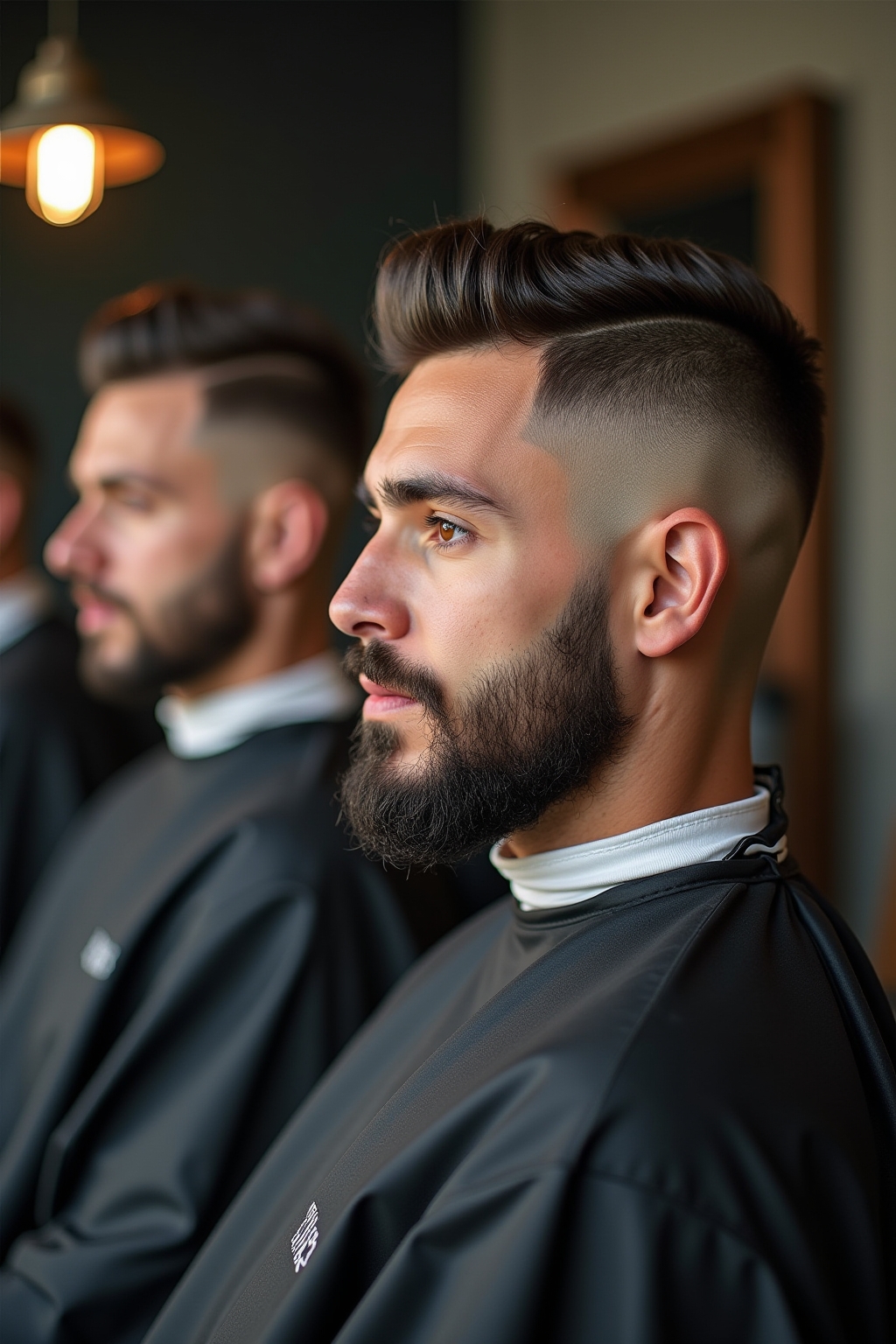
The taper fade bajo can be customized to complement various face shapes, with rounder faces benefiting from a more pronounced fade that adds definition and structure. For those with oval or square faces, a softer taper fade bajo creates balance while maintaining the classic low profile that makes this cut so versatile. Men with longer faces might consider a high taper fade variation that adds width to the sides while keeping the signature bajo elements intact at the lower portion of the haircut.
Maintaining Your Taper Fade Bajo Between Barbershop Visits
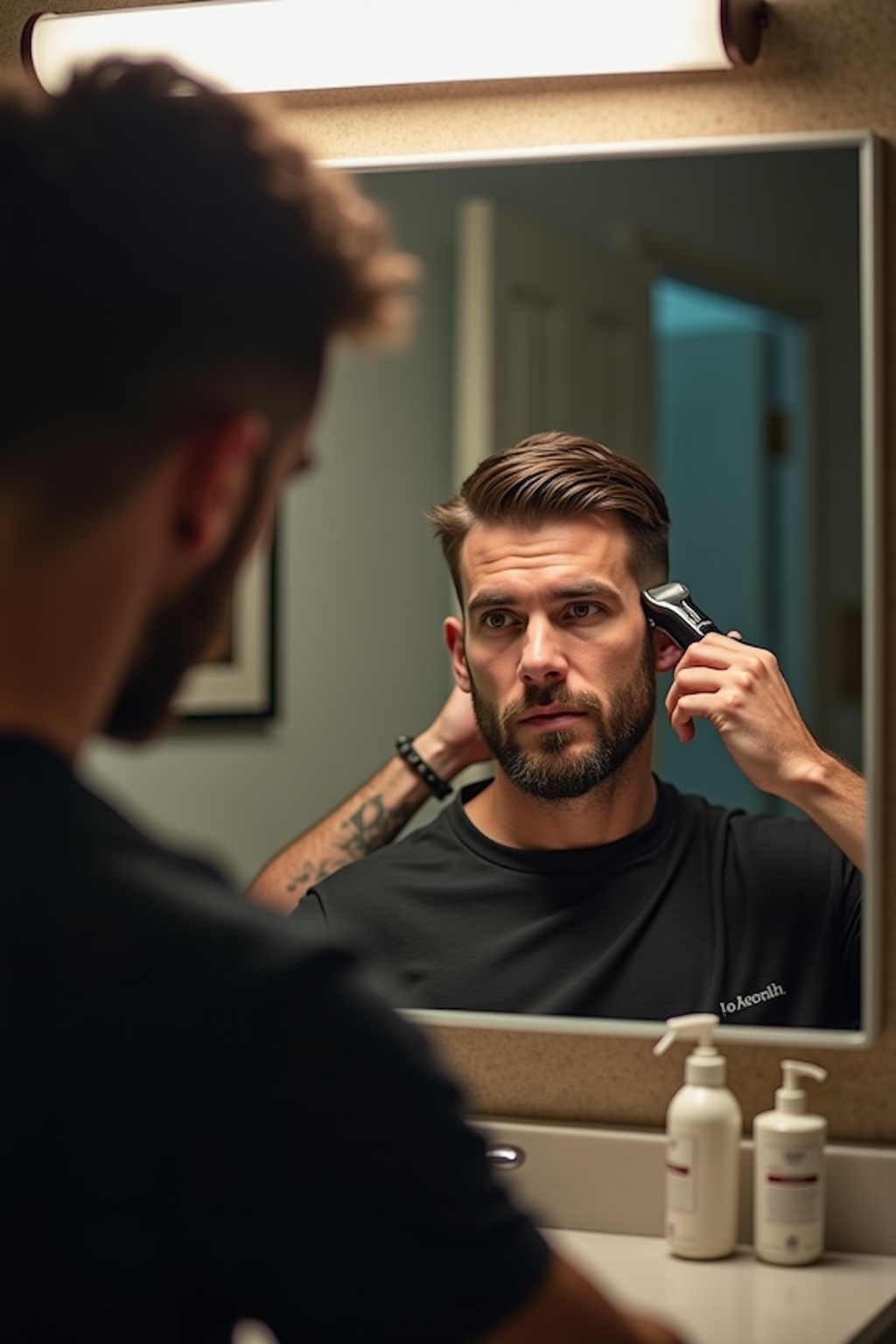
To keep your taper fade bajo looking fresh between barbershop appointments, regular maintenance is essential for preserving its clean, defined appearance. Invest in quality hair tools like trimmers with adjustable guards to carefully touch up the faded areas, focusing only on the most noticeable growth to avoid disrupting the original fade pattern. Apply a small amount of styling product daily to maintain the shape and texture of your taper fade bajo, particularly if you have longer hair on top. Remember to schedule your next barbershop visit every 2-3 weeks, as even with home maintenance, professional reshaping is necessary to maintain the precise graduation and clean lines that make the taper fade bajo so distinctive.
- Use adjustable clippers to carefully maintain only the most visible growth areas.
- Apply lightweight styling products to keep the shape intact between cuts.
- Brush or comb your hair daily in the direction of the fade for a cleaner look.
- Schedule professional touch-ups every 2-3 weeks for optimal maintenance.
Celebrity Inspiration: Famous Taper Fade Bajo Hairstyles to Copy
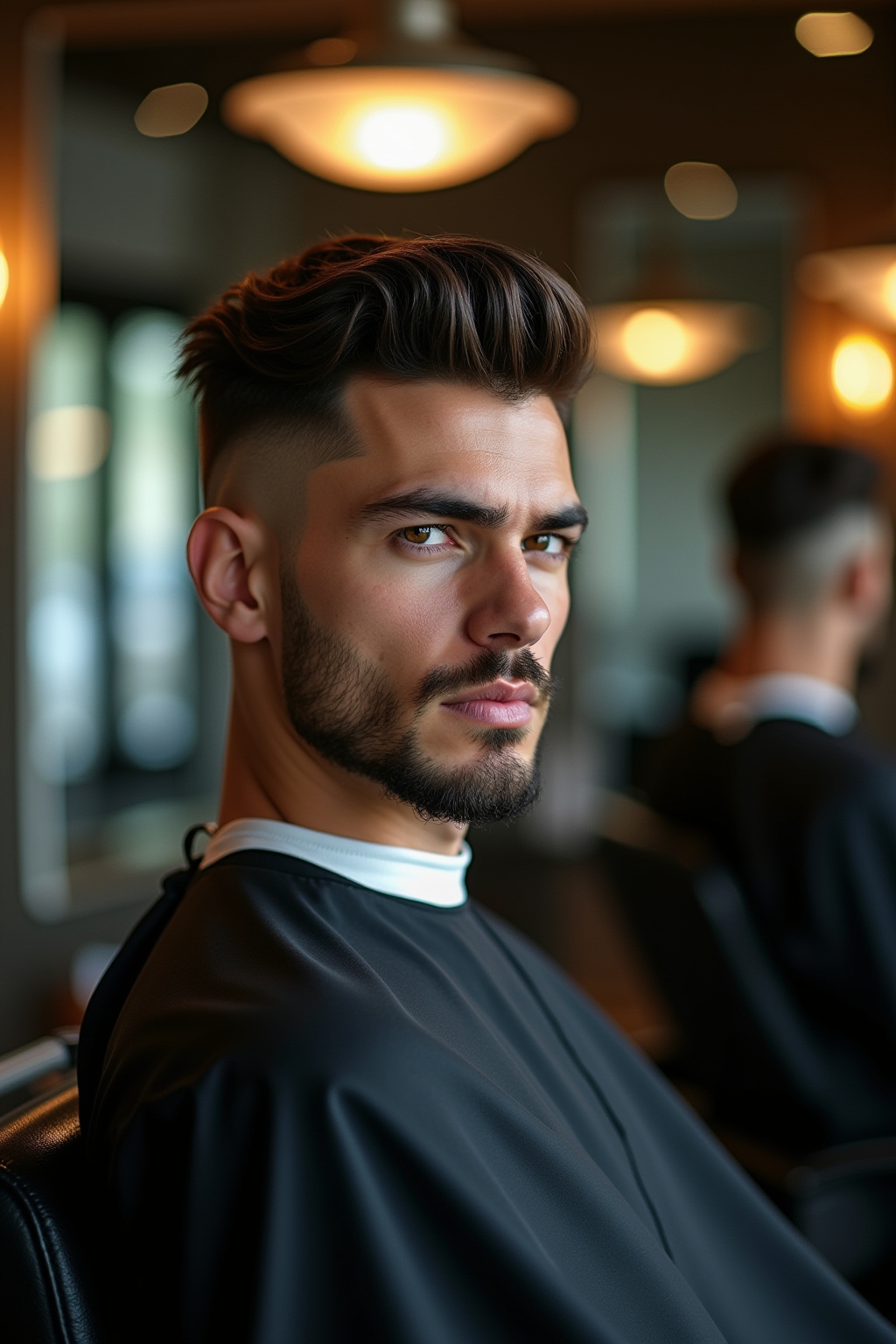
When it comes to taper fade bajo hairstyles, celebrities have been at the forefront of popularizing this sophisticated cut. Stars like Bad Bunny and J Balvin have made the taper fade bajo their signature look, showcasing how versatile it can be for different face shapes and personal styles. Soccer icon Cristiano Ronaldo frequently sports a clean taper fade bajo that perfectly balances his athletic image with a polished appearance. These celebrity inspirations provide excellent reference points for your barber, allowing you to customize the taper fade bajo to achieve that same red-carpet-worthy look with your personal twist.
Häufige Fragen zu Taper fade bajo
Was ist ein Taper Fade Bajo Haarschnitt?
Der Taper Fade Bajo ist ein präziser Haarschnitt mit lateinamerikanischen Wurzeln, bei dem die Haare an den Seiten und im Nacken schrittweise und sehr sanft ausgedünnt werden. Diese spezielle Fade-Technik zeichnet sich durch einen subtileren Übergang aus als bei klassischen Fades. Die Kontur bleibt tiefer und der Übergang vom kürzesten zum längsten Haar erfolgt gradueller. Der spanische Begriff “bajo” (niedrig) deutet auf die tiefere Platzierung des Übergangs hin. Diese Schnittform eignet sich besonders für Männer, die einen dezenten, aber dennoch strukturierten Look bevorzugen und harmoniert ideal mit verschiedenen Haartexturen.
Wie unterscheidet sich der Taper Fade Bajo von anderen Fade-Varianten?
Der Taper Fade Bajo ist subtiler als herkömmliche Fade-Schnitte und zeichnet sich durch einen tieferen Übergangsbereich aus. Während High Fades bereits im oberen Kopfbereich beginnen und Mid Fades etwa auf Höhe der Schläfen starten, setzt der Bajo-Stil deutlich tiefer an – meist knapp über den Ohren oder im unteren Nackenbereich. Die Abstufung beim Bajo erfolgt zudem gradueller und weniger kontrastreich. Im Gegensatz zum harten Skin Fade bleibt beim Taper Fade Bajo immer eine leichte Haarschicht bestehen. Diese dezente Ausführung macht den Haarschnitt alltagstauglicher und pflegeleichter, da die Konturen nicht so schnell herauswachsen. Der Bajo-Schnitt wirkt dadurch klassischer und weniger modisch-extrem als andere Fadeschnitte.
Für welche Haartypen und Gesichtsformen eignet sich ein Taper Fade Bajo besonders?
Der Taper Fade Bajo harmoniert hervorragend mit diversen Haartypen – von glattem bis lockigem Haar – und bietet vor allem für dickes oder widerspenstiges Haar eine gute Strukturierungsmöglichkeit. Bei der Gesichtsform zeigt sich die Vielseitigkeit dieses Schnitts: Ovale und rechteckige Gesichter werden besonders vorteilhaft betont. Bei runden Gesichtern schafft der sanfte Übergang eine angenehme vertikale Linie, ohne zu stark zu kontrastieren. Eckige Kieferlinien werden durch den tiefen Fade dezent unterstrichen, während längliche Gesichter optisch ausgeglichener wirken. Die niedrige Positionierung des Übergangs macht diesen Schnitt auch für Männer mit Geheimratsecken oder beginnender Glatzenbildung interessant, da er den Fokus geschickt verlagert und einen gepflegten Eindruck hinterlässt.
Wie pflege ich einen Taper Fade Bajo richtig und wie oft muss er nachgeschnitten werden?
Die Pflege eines Taper Fade Bajo erfordert regelmäßiges Styling mit passenden Produkten wie Pomade, Wachs oder Texturspray für die längeren Partien. Für die kurzen Bereiche eignet sich ein leichtes Haaröl, das die Kopfhaut mit Feuchtigkeit versorgt. Beim Waschen empfiehlt sich ein mildes Shampoo, um die natürlichen Öle nicht zu stark zu entfernen. Der Nachschnitt-Rhythmus liegt typischerweise bei 3-4 Wochen, was deutlich länger ist als bei extremeren Fade-Varianten (2 Wochen). Da der Übergangsbereich tiefer sitzt und weniger kontrastreich ausfällt, wächst der Bajo-Schnitt gleichmäßiger heraus. Zwischen den Friseurbesuchen kann die Kontur im Nacken und an den Koteletten mit einem präzisen Trimmer selbst nachgearbeitet werden, um den gepflegten Look zu erhalten.
Welche Styling-Optionen gibt es für die Oberseite bei einem Taper Fade Bajo?
Bei einem Taper Fade Bajo bleiben vielfältige Gestaltungsmöglichkeiten für die Oberseite. Besonders populär ist die Kombination mit einem texturierten Oberkopf, der mehr Volumen und Bewegung bietet. Für einen klassischen Look eignet sich ein seitlicher Scheitel mit glatt zurückgekämmten Haaren. Moderne Varianten umfassen den “Messy Look” mit absichtlich unordentlich arrangierten Strähnen oder den “Quiff”, bei dem die Frontpartie aufgerichtet wird. Lockiges Haar kann natürlich fallen gelassen oder durch Diffusor-Trocknen definiert werden. Auch ein French Crop mit gerader, texturierter Stirnfranse harmoniert hervorragend mit dem dezenten Bajo-Übergang. Die Haarlänge oben kann variieren – von wenigen Zentimetern bis hin zu mittellangen Styles, die durch den subtilen Kontrast des Bajo-Fades besonders zur Geltung kommen.
Was sollte ich meinem Friseur sagen, um einen perfekten Taper Fade Bajo zu bekommen?
Für einen gelungenen Taper Fade Bajo sollten Sie Ihrem Friseur präzise Angaben machen: Erwähnen Sie zunächst explizit den “Taper Fade Bajo” oder “Low Taper Fade” und betonen Sie, dass Sie einen tiefen, sanften Übergang wünschen – nicht zu hoch und nicht zu kontrastreich. Geben Sie konkrete Längenvorstellungen an, etwa Klingengröße 0,5 für den tiefsten Punkt und graduell länger werdend. Besprechen Sie, wo genau der Übergangsbereich beginnen soll – typischerweise knapp über den Ohren oder im unteren Nackenbereich. Bringen Sie idealerweise Referenzbilder mit, die Ihren Wunschlook zeigen. Klären Sie auch die Gestaltung der Oberseite ab und ob Ihr Haaransatz natürlich bleiben oder präzise definiert werden soll. Thematisieren Sie, wie stark die Schläfen ausgedünnt werden sollen, um den charakteristischen Bajo-Look zu erhalten.