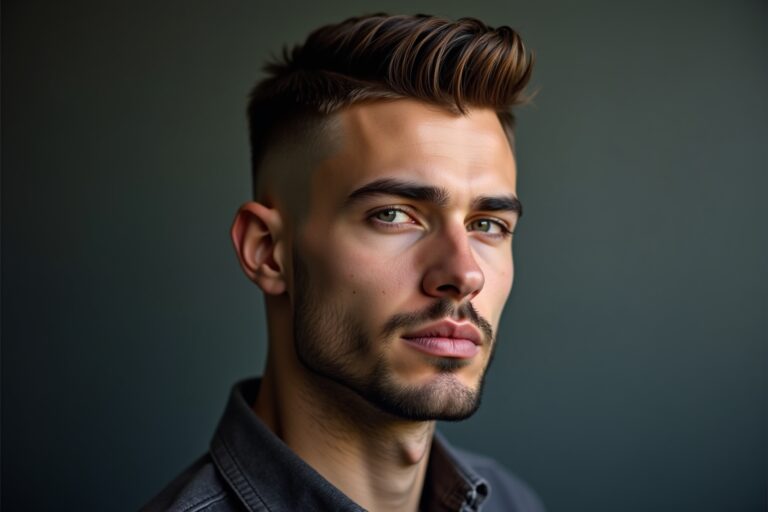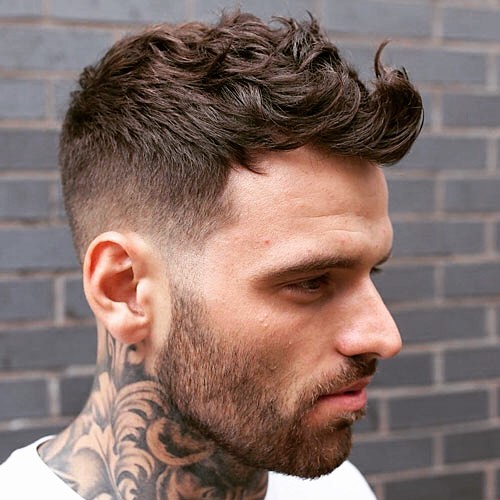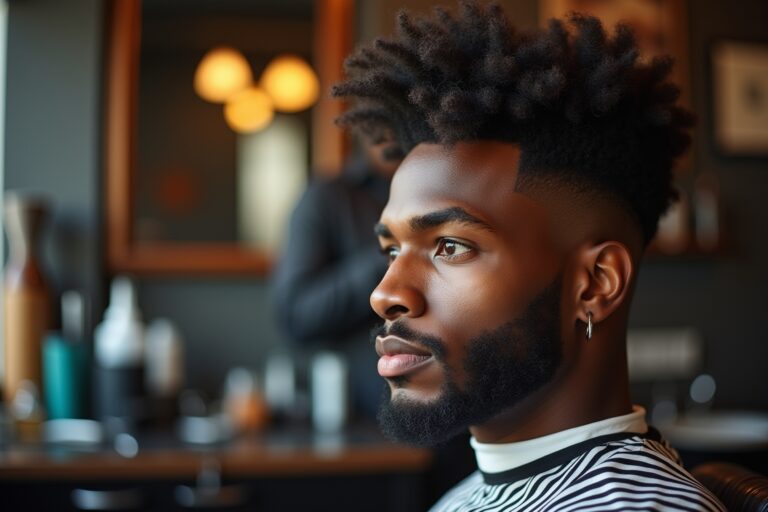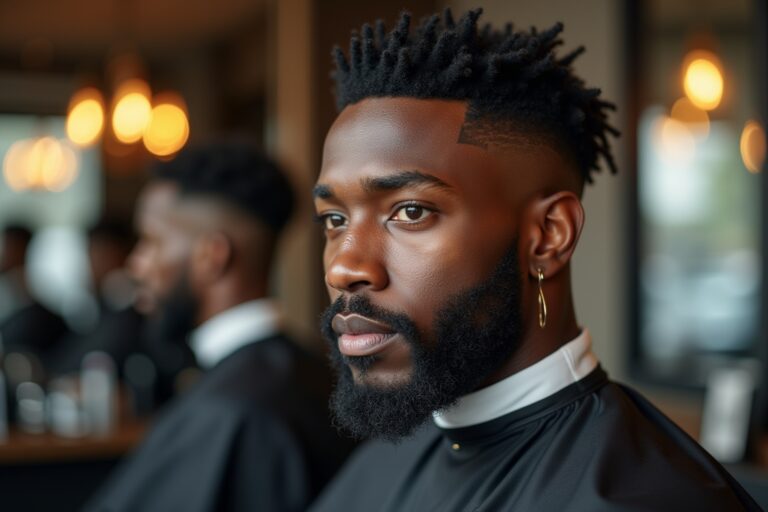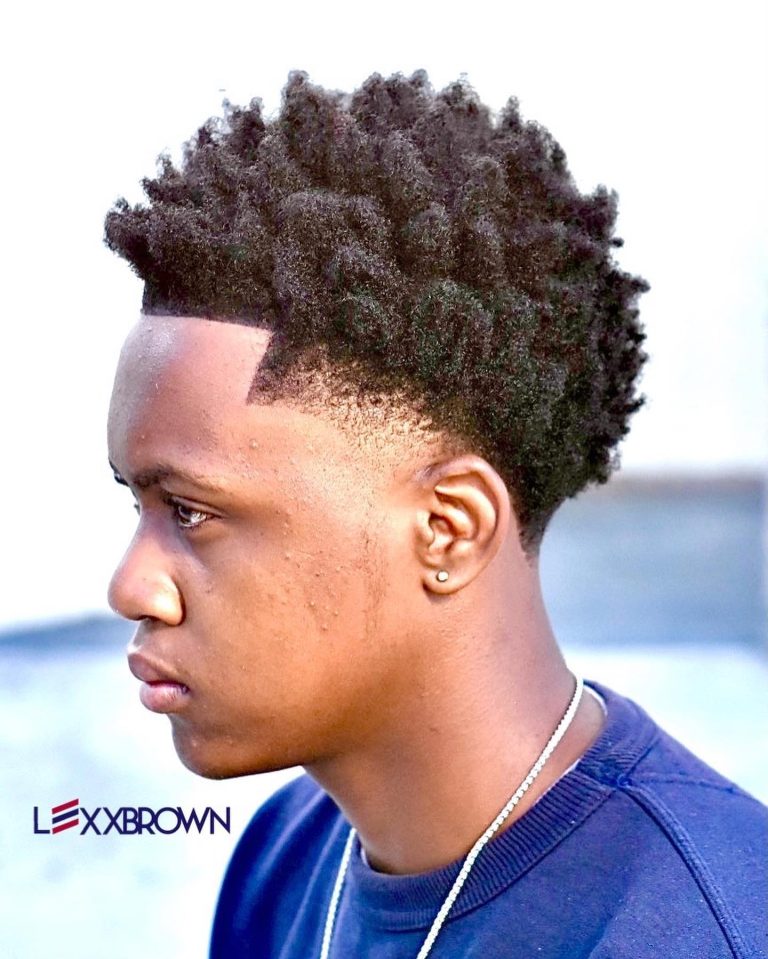
8 Stylish Taper Fade Haircut Ideas for a Fresh Look
The taper fade haircut continues to be one of the most versatile and stylish options for men seeking a fresh, contemporary look. Characterized by its gradual transition from longer hair on top to shorter sides and back, this classic cut has evolved into numerous variations that can complement virtually any face shape, hair texture, and personal style. Whether you prefer a bold, dramatic contrast or a subtle, refined gradient, there’s a taper fade variation that will elevate your appearance and boost your confidence.
In this guide, we’re exploring eight distinctive taper fade styles that are trending in barbershops worldwide. From the timeless classic taper to more modern interpretations featuring surgical lines or textured tops, each variation offers its own unique appeal. These cuts not only provide a clean, well-groomed aesthetic but also offer practical benefits like reduced styling time and adaptability for both professional and casual settings. Discover which taper fade might be your next signature look as we break down these popular style options.
What is a taper fade? A haircut technique where hair gradually changes from longer on top to shorter on the sides and back, creating a “faded” effect.
Maintenance level: Most taper fades require touch-ups every 2-4 weeks depending on how fast your hair grows and how crisp you want the fade to remain.
Styling versatility: Taper fades work with most hair types and can be customized to suit formal corporate environments or more creative, edgy settings.
The Ultimate Guide to Taper Fade Haircuts: From Classic to Modern
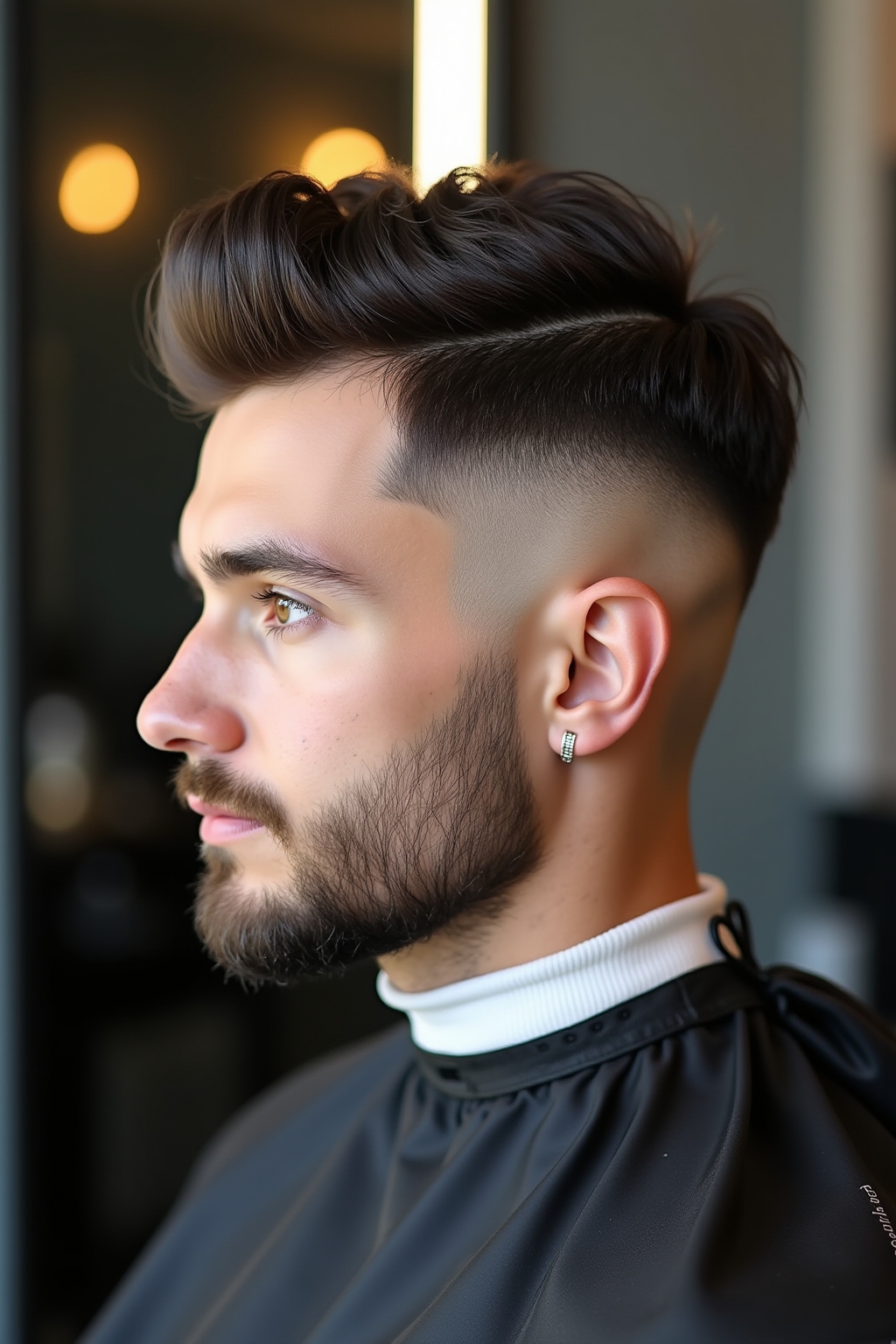
The taper fade haircut has evolved dramatically over the decades, transforming from a purely functional military cut to one of the most versatile and stylish options in modern men’s grooming. What makes this style particularly appealing is its adaptability to virtually any hair type, face shape, and personal aesthetic, whether you prefer a low taper fade that turns heads or a more pronounced gradient. The classic version features a subtle graduation that maintains length on top while gradually shortening toward the neckline, creating a clean silhouette that complements both formal and casual looks. Meanwhile, contemporary interpretations incorporate creative elements like sharp lines, disconnected sections, and varying lengths that push the boundaries of traditional barbering while maintaining the taper fade’s signature sophistication.
How to Choose the Perfect Taper Fade Haircut for Your Face Shape

Finding the perfect taper fade for your unique face shape is essential to achieving a balanced, flattering look that enhances your best features. For those with round faces, consider a high taper fade with extra length on top to create the illusion of a longer face and added angles. If you have a square face, a classic mid taper fade works wonderfully as it maintains the strong jawline while softening the overall appearance. Men with oval faces are fortunate as nearly all taper fade variations complement their naturally balanced proportions, giving them the freedom to experiment with different fade heights and top lengths. Those with diamond or triangular face shapes should opt for low taper fades that add width around the temples and ears, creating a more harmonious silhouette. Remember that consulting with a professional barber who understands face shape principles can help you customize your taper fade to perfection, ensuring you walk out with a haircut that truly complements your unique features.
Round faces: Choose high taper fades with length on top to elongate face appearance.
Square faces: Mid taper fades maintain strong jawlines while softening overall look.
Oval faces: Compatible with all taper fade styles due to naturally balanced proportions.
Taper Fade Variations: Low, Mid, and High Cuts Explained
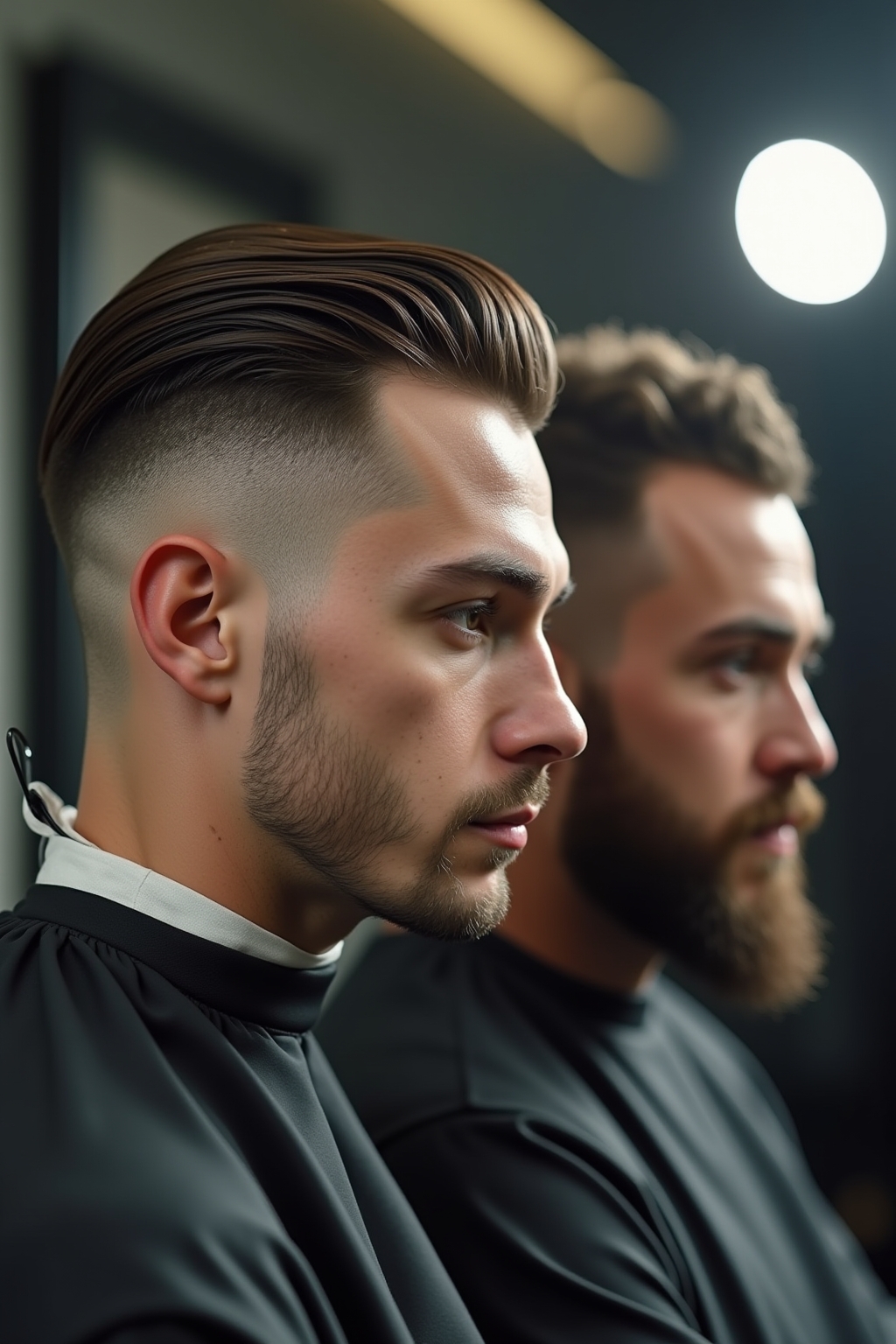
The taper fade comes in three main variations, defined by where the fade begins on the sides and back of the head. Low taper fades start just above the ears and neckline, offering a subtle, professional look that works particularly well for various face shapes while maintaining more hair overall. Mid taper fades begin at the mid-point of the sides, creating a balanced appearance with moderate contrast that suits most men seeking a classic yet contemporary style. High taper fades start near the crown of the head, delivering maximum contrast between the top and sides, perfect for those wanting a bold, dramatic haircut that draws attention to facial features.
Maintaining Your Taper Fade Haircut: Essential Care Tips
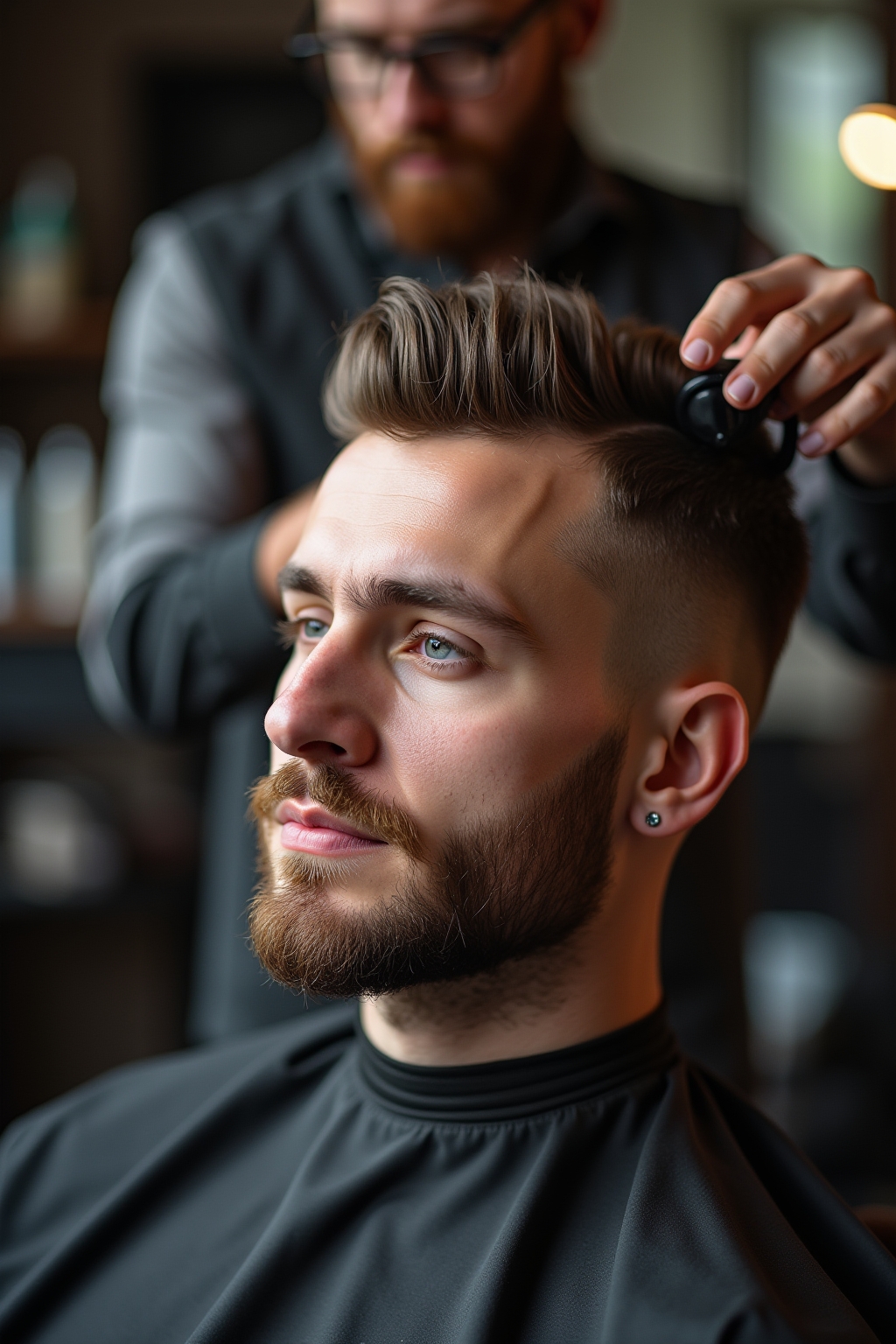
To keep your taper fade haircut looking fresh between salon visits, regular maintenance is essential for preserving its sharp, defined appearance. Investing in quality hair products specifically formulated for short hairstyles will help maintain the texture and hold of your fade while protecting your scalp. Schedule touch-up appointments every 2-3 weeks, as taper fades tend to lose their crisp lines relatively quickly compared to other haircut styles. Daily styling with the right techniques and tools, such as a small amount of pomade or matte clay worked through with your fingertips, will ensure your taper fade continues to make the strong impression you desire.
- Regular touch-ups every 2-3 weeks maintain the clean lines of your taper fade.
- Use quality styling products specifically designed for short, faded hairstyles.
- Invest in a good handheld mirror to check the fade’s progression around your head.
- Communicate clearly with your barber about how you want your fade maintained over time.
Taper Fade Haircuts for Different Hair Types and Textures

The versatility of taper fade haircuts extends across various hair types, making it an excellent choice regardless of your natural texture. For men with straight hair, this style creates clean lines and a polished appearance that’s relatively low-maintenance and easy to style daily. Those with curly or coily hair can benefit from the contrast between their natural volume on top and the gradually faded sides, creating a striking and balanced silhouette. Wavy hair works exceptionally well with a taper fade, as the texture adds dimension to the longer portion while the fade provides structure and definition. Men with thin or fine hair often find that a taper fade creates the illusion of density, especially when the top is textured and slightly disheveled. Even those with thick, coarse hair can appreciate how this cut reduces bulk around the sides while allowing them to showcase their hair’s natural body on top.
Adaptability: Taper fade haircuts can be customized for all hair types – straight, curly, wavy, fine, or coarse.
Styling Benefits: Creates illusion of thickness for fine hair, provides structure for curly hair, and reduces bulk for thick hair.
Personalization: The fade’s gradient can be adjusted based on hair texture to achieve the most flattering and manageable result.
The Evolution of the Taper Fade: History and Cultural Significance
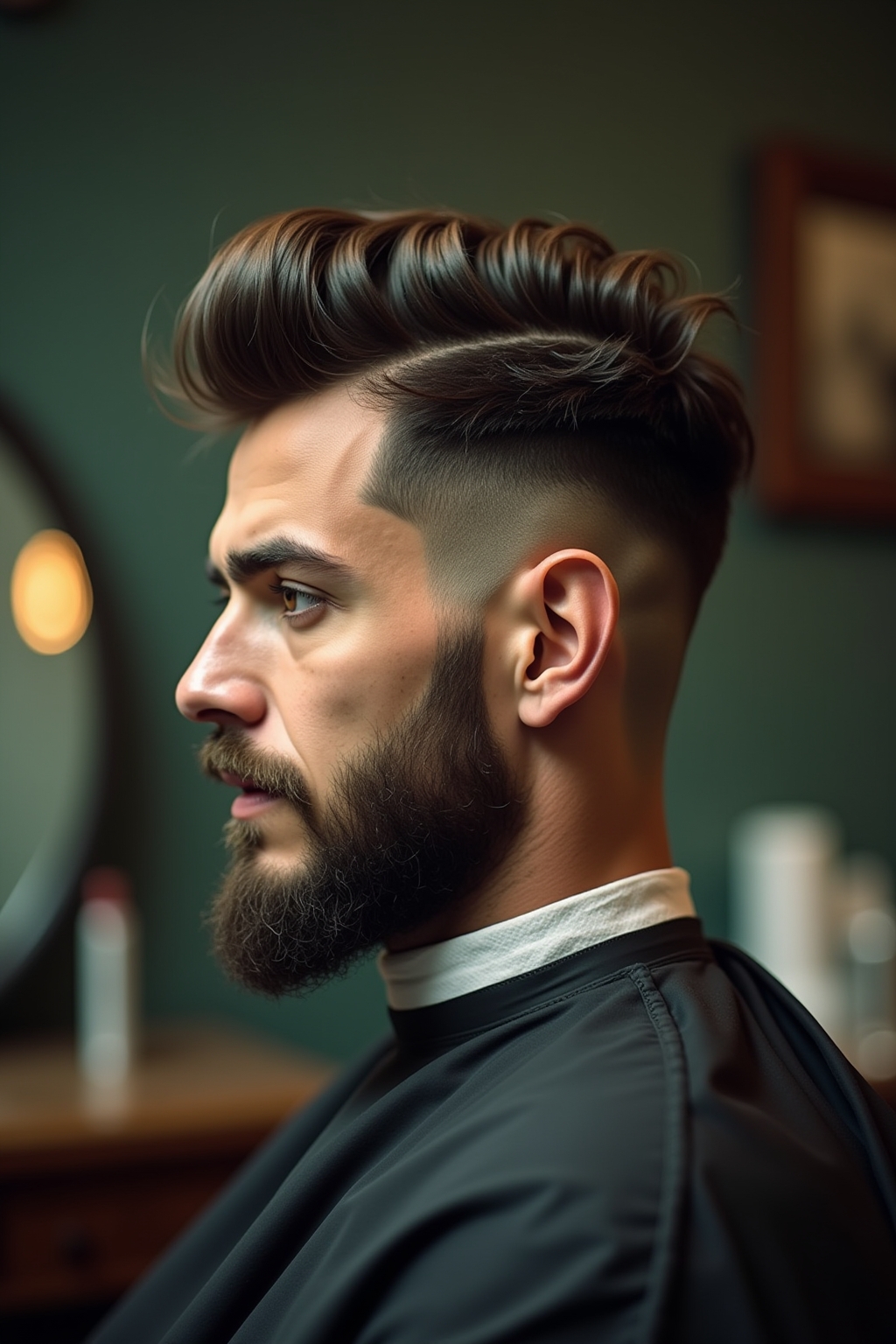
The taper fade haircut has evolved significantly over the decades, originating in the early 20th century but gaining massive popularity during the 1950s and 60s through military regulations and subsequent civilian adoption. Its journey from practical military cut to cultural icon demonstrates how haircuts can transcend mere fashion to become powerful symbols of identity, particularly in Black and Latino communities where mid taper styles for curly hair have become especially significant. Today’s taper fade represents a perfect blend of historical reverence and modern style sensibilities, with countless variations allowing individuals to express themselves while honoring the rich cultural heritage behind this classic yet continuously evolving haircut.
Styling Products That Enhance Your Taper Fade Haircut
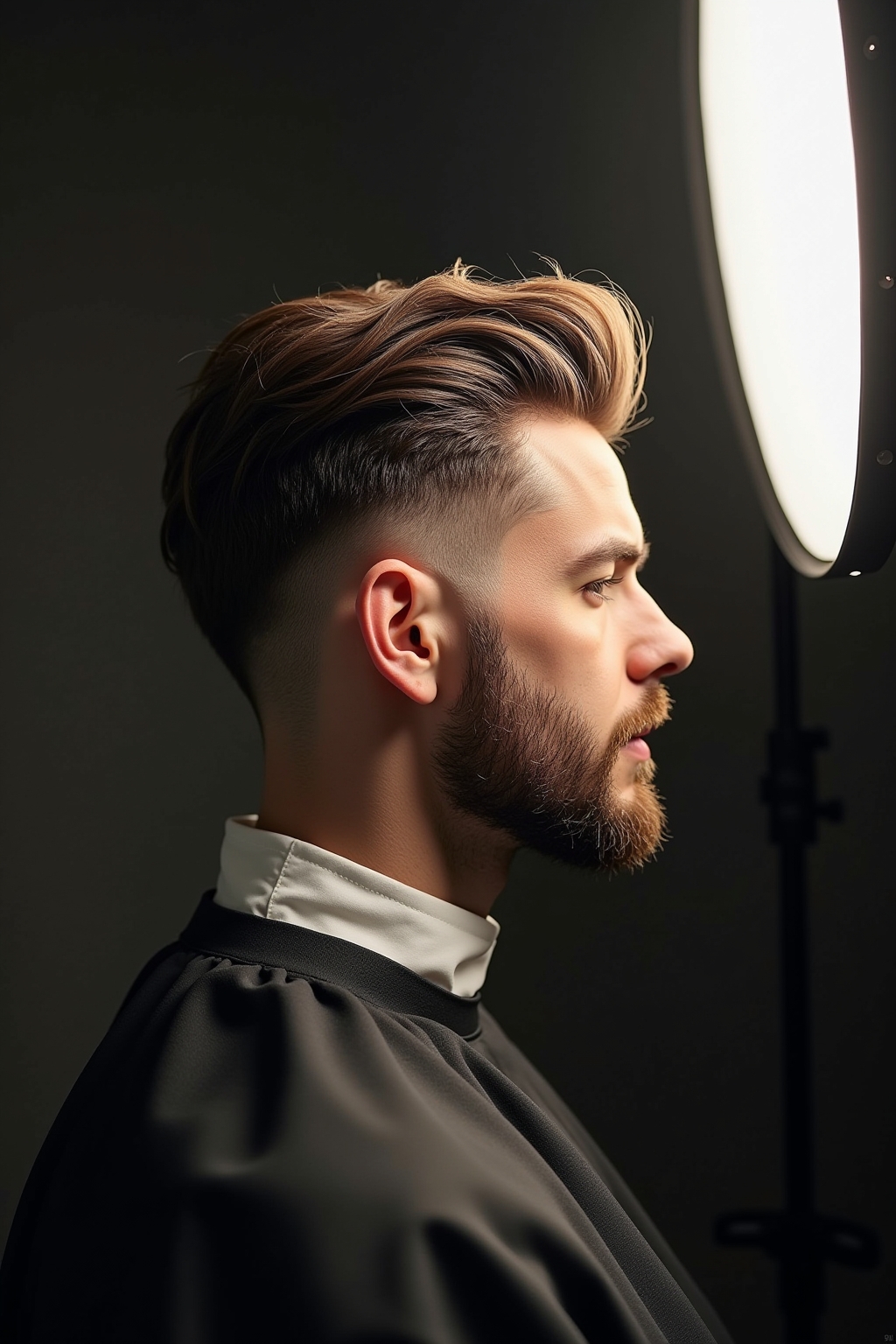
To truly showcase your taper fade haircut, the right styling products can make all the difference in achieving that perfect look. A quality matte pomade provides excellent hold while maintaining a natural appearance, ideal for shorter taper fades that need definition without excessive shine. For textured styles on top, a small amount of sea salt spray creates volume and movement, allowing you to style your hair with minimal effort. Finishing with a light mist of medium-hold hairspray ensures your taper fade remains impeccable throughout the day without feeling stiff or unnatural.
- Choose matte pomade for definition without excessive shine
- Sea salt spray adds texture and volume to longer top sections
- Medium-hold hairspray maintains your style throughout the day
- Use fingertip-sized amounts of product to avoid weighing down your fade
Celebrity-Inspired Taper Fade Haircuts to Try in 2023
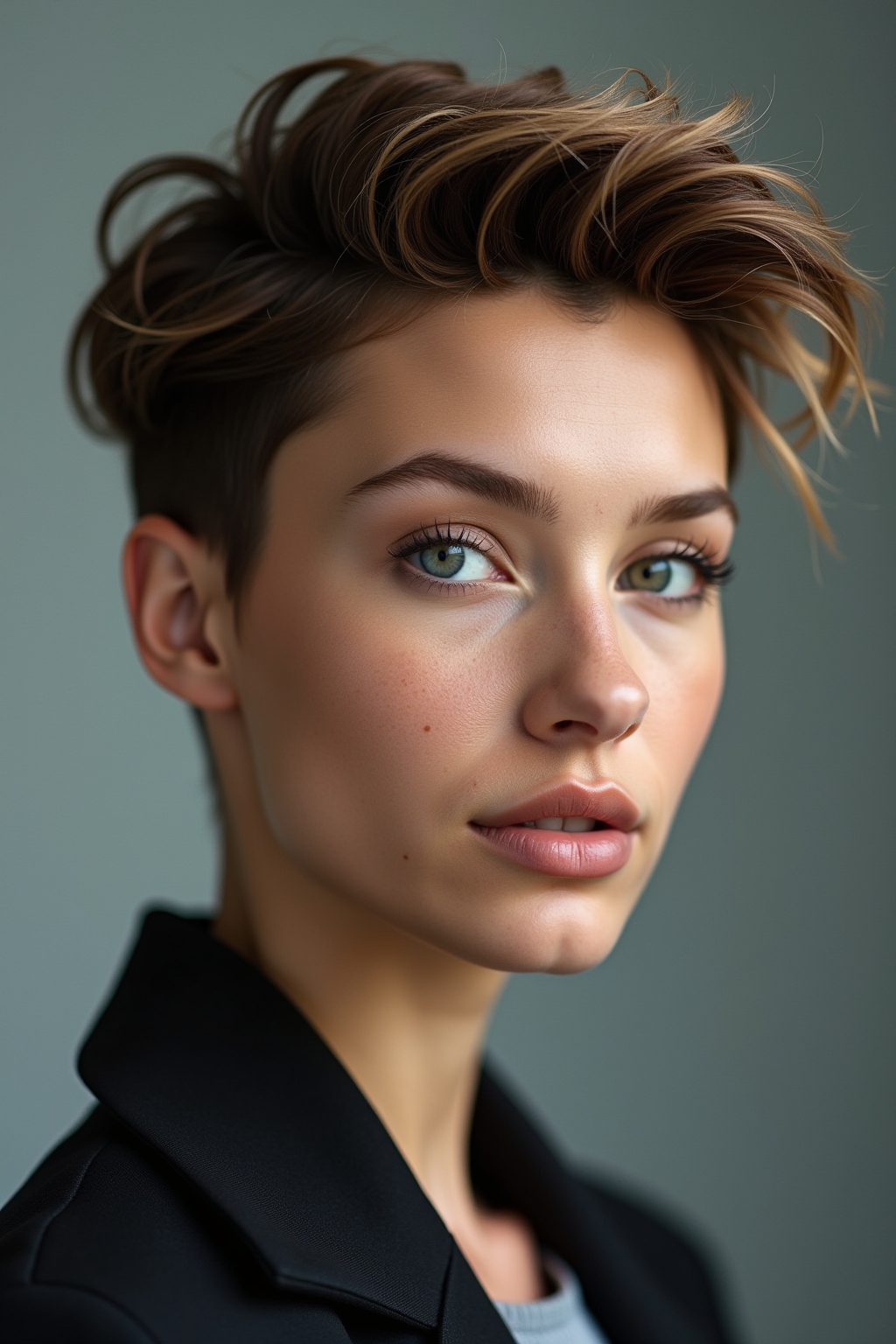
In 2023, celebrity-inspired taper fade haircuts continue to dominate the men’s grooming scene, with stars like Michael B. Jordan and Maluma showcasing perfectly executed gradual fades. These A-listers demonstrate how the taper fade can be customized to complement different face shapes and personal styles, whether paired with textured tops or sleek, longer crown sections. Top barbers report that clients increasingly reference red carpet looks and social media posts from their favorite athletes and actors when requesting the perfect taper fade. For a truly contemporary take on this versatile haircut, consider celebrity variations that blend classic taper fade techniques with modern elements like creative line-ups or subtle color transitions.
Häufige Fragen zu Taper Fade Haircut
Was genau ist ein Taper Fade Haircut?
Der Taper Fade Haircut ist ein klassischer Herrenhaarschnitt, bei dem die Haare an den Seiten und am Hinterkopf graduell kürzer werden – von oben nach unten. Im Gegensatz zum regulären Fade verläuft der Taper Fade weniger abrupt und behält mehr Länge über den Ohren. Diese Übergangsfrisur zeichnet sich durch einen weichen, fließenden Übergang aus, der besonders elegant wirkt. Der obere Bereich bleibt dabei länger und kann nach individuellen Vorlieben gestylt werden. Diese vielseitige Schnitttechnik eignet sich für nahezu jeden Haartyp und lässt sich mit verschiedenen Frisurstilen kombinieren.
Worin unterscheiden sich Low, Mid und High Taper Fade?
Die drei Hauptvarianten des Taper Fade unterscheiden sich primär in der Höhe, an der der Übergang beginnt. Der Low Taper Fade startet knapp über den Ohren und dem Nacken, schafft einen dezenten Look und eignet sich gut für konservative Umgebungen. Der Mid Taper Fade beginnt etwa auf mittlerer Höhe des Kopfes und bietet eine ausgewogene Kombination aus Stil und Dezenz. Der High Taper Fade setzt den Übergangsbereich hoch am Kopf an, wodurch ein deutlicher Kontrast entsteht – ideal für einen markanten, modernen Haarschnitt. Die Wahl zwischen diesen Abstufungen hängt vom gewünschten Erscheinungsbild, der Kopfform und dem persönlichen Stil ab. Jede dieser Graduierungen kann zudem unterschiedlich stark ausgeprägt sein.
Wie oft muss ich einen Taper Fade nachschneiden lassen?
Ein Taper Fade benötigt regelmäßige Pflege, um seinen präzisen, sauberen Look zu bewahren. Typischerweise ist alle 2-3 Wochen ein Nachschnitt empfehlenswert, da das Haarwachstum den graduellen Übergang schnell verwachsen lässt. Bei besonders kurzen Varianten wie dem Skin Fade ist möglicherweise schon nach 10-14 Tagen eine Auffrischung nötig. Wer seinen Haarschnitt etwas länger tragen möchte, kann auch 3-4 Wochen warten. Die genaue Frequenz hängt von Ihrem individuellen Haarwachstum, der gewählten Fadeart und Ihren persönlichen Ansprüchen ab. Viele Barbershops bieten vergünstigte Konditionen für regelmäßige Nachschnitt-Termine an, was die Instandhaltung dieser Frisur erleichtert.
Für welche Gesichtsformen eignet sich der Taper Fade besonders gut?
Der Taper Fade ist dank seiner Vielseitigkeit für die meisten Gesichtsformen geeignet, lässt sich aber gezielt anpassen. Bei runden Gesichtern schafft ein High Taper Fade mit mehr Volumen oben eine längliche Illusion. Eckige Gesichter profitieren von einem weicheren, niedrigen Taper, der die kantigen Züge ausbalanciert. Ovale Gesichter harmonieren praktisch mit jeder Taper-Variante, da diese Gesichtsform von Natur aus ausgewogen ist. Bei länglichen Gesichtern funktioniert ein Low oder Mid Taper mit Volumen an den Seiten, um Breite zu suggerieren. Menschen mit Herzform können durch einen subtilen Taper mit etwas mehr Fülle im Seitenbereich das schmale Kinn optisch ausgleichen. Ein erfahrener Haarschneider kann die Konturierung des Fade individuell anpassen, um Ihre besten Gesichtszüge zu betonen.
Wie style ich meinen Taper Fade im Alltag?
Das Styling eines Taper Fade konzentriert sich hauptsächlich auf den längeren Bereich oben. Für einen natürlichen Look genügt oft etwas Haarpaste oder Mattclay, die mit den Fingerspitzen eingearbeitet wird. Möchten Sie mehr Struktur, verwenden Sie eine kleine Menge Pomade oder Wachs, verteilen Sie es in den Handflächen und formen Sie die gewünschte Frisur. Für mehr Volumen eignet sich Volumenpuder an den Wurzeln, bevor Sie das Deckhaar in Form bringen. Bei kürzeren Oberpartien reicht manchmal ein Haartonikum, das für Textur sorgt. Wer einen sleeken Look bevorzugt, kann mit Gel arbeiten – dabei nur sparsam auftragen, um Verklebungen zu vermeiden. Das Schöne am Taper Fade: Die kurzen Seiten benötigen praktisch keine Stylingprodukte, was die tägliche Haarpflege besonders unkompliziert macht.
Was sollte ich dem Friseur sagen, um genau den Taper Fade zu bekommen, den ich mir wünsche?
Für den perfekten Taper Fade ist präzise Kommunikation entscheidend. Nennen Sie zunächst die spezifische Variante (Low, Mid oder High Fade) und die gewünschte Intensität des Übergangs – von sanft bis kontrastreich. Geben Sie konkrete Längenangaben für die Oberpartie an, idealerweise in Millimetern oder mit Kammaufsatznummern. Erklären Sie, ob Sie einen traditionellen, modernen oder trendigen Look wünschen. Besonders hilfreich sind Referenzbilder auf dem Smartphone, die Ihren Wunschlook zeigen. Erwähnen Sie auch, wie Sie die Frisur im Alltag stylen möchten, damit der Haarschneider dies berücksichtigen kann. Spezielle Details wie Haarwirbel, Scheitel oder besondere Konturen sollten ebenfalls angesprochen werden. Eine kurze Besprechung vor dem Schnitt verhindert Missverständnisse und führt zum gewünschten Ergebnis.